Jay Shuster: Hardware Designer

Email Archives
February 26, 1999
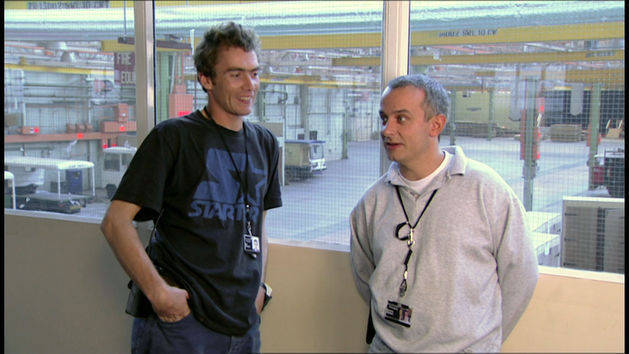
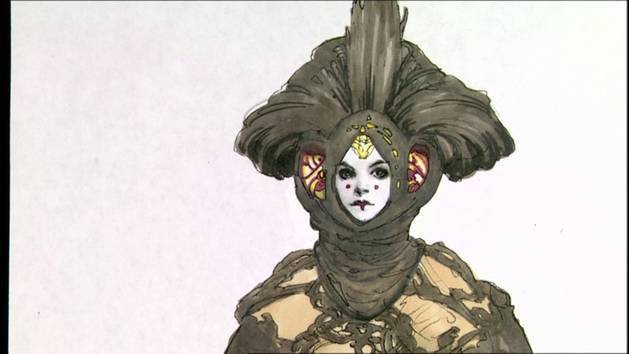
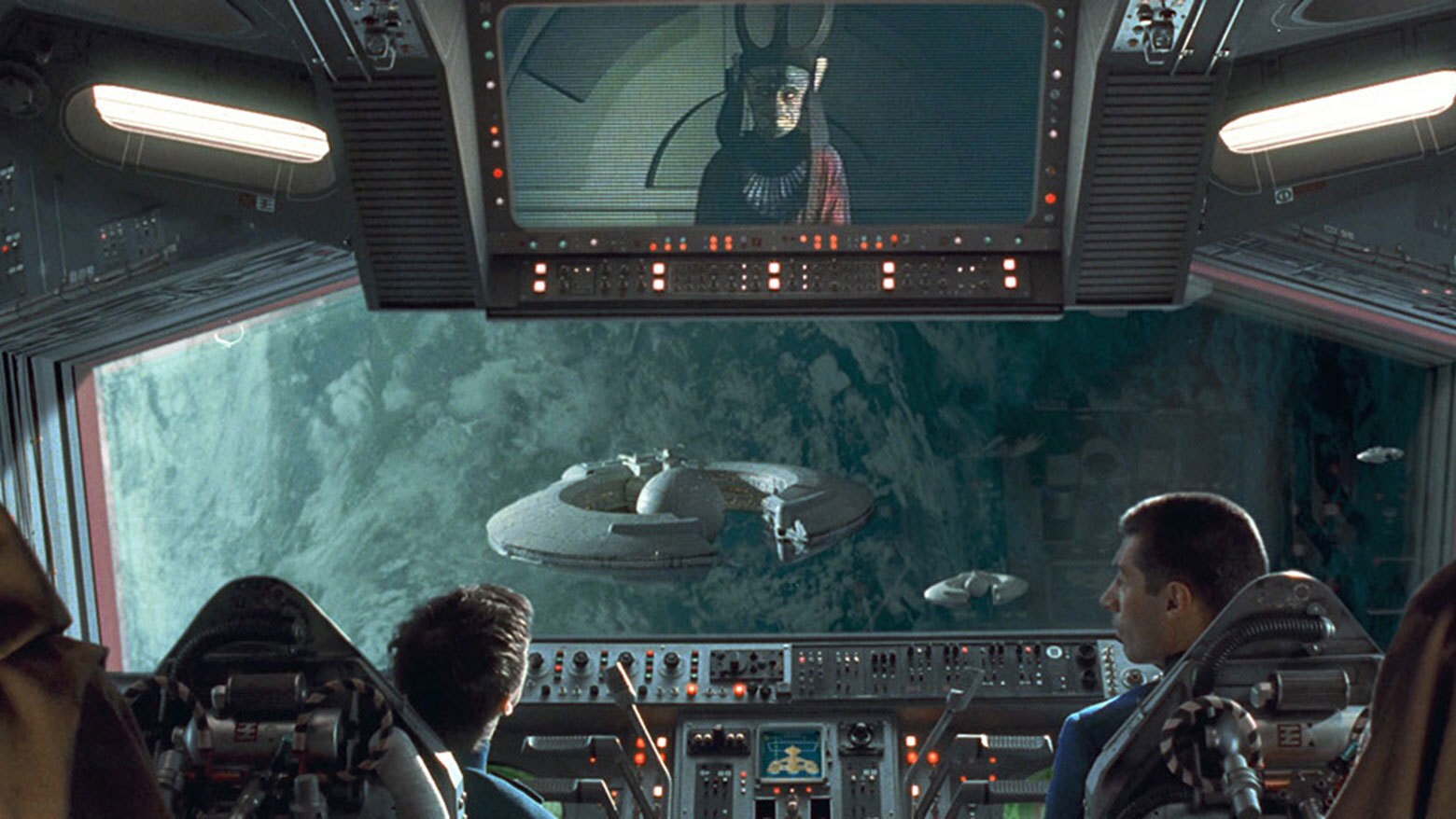
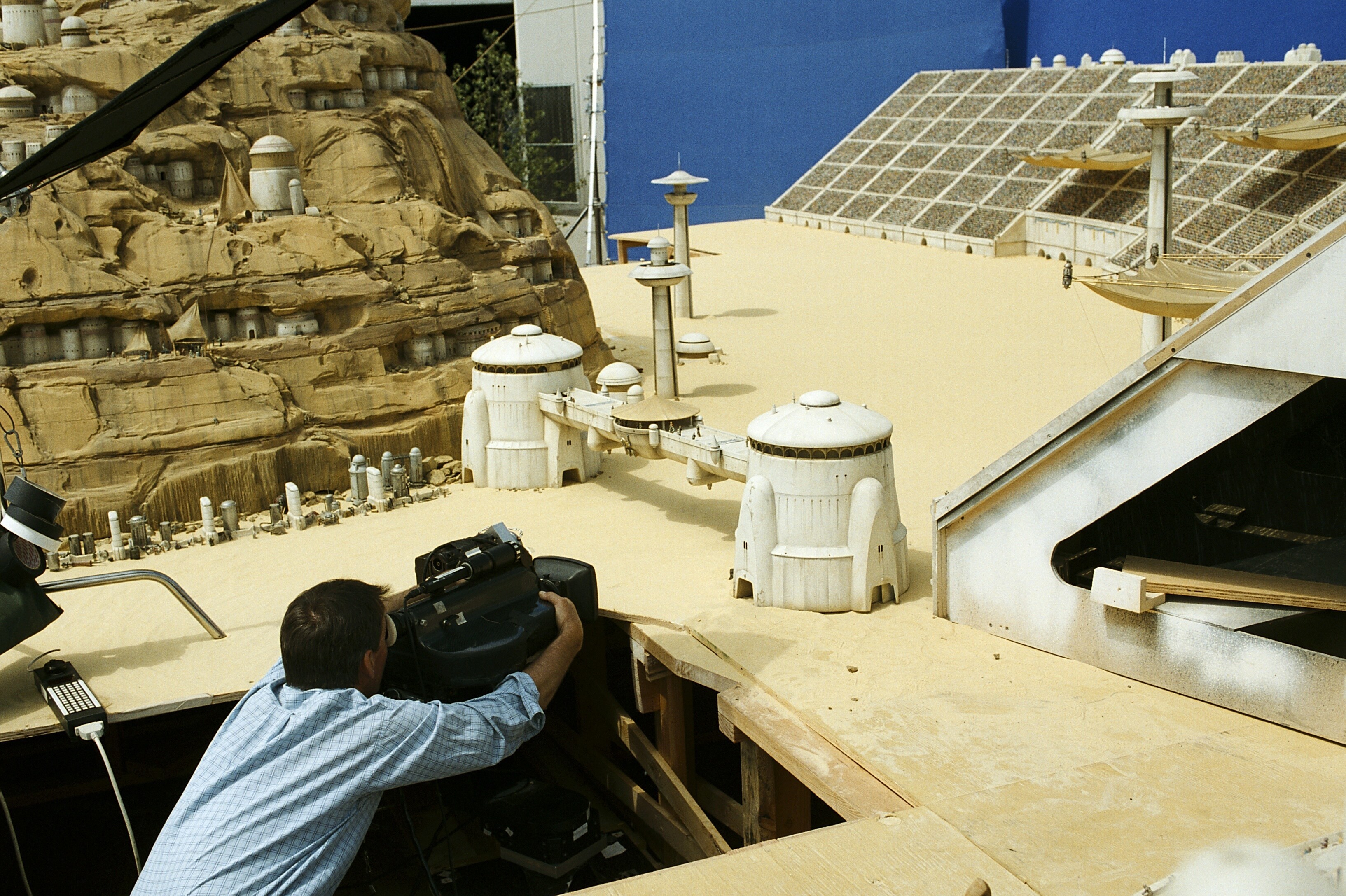
Originally hired as a temporary storyboard artist for Episode I, Jay Shuster quickly made his mark in the art department. Staying aboard as a concept artist, Shuster meshed together the strong influence Star Wars has always had on his work together with his own obsession with purposeful, crisply-defined designs, to create original hardware for the new chapter of the Star Wars story.

Born into a family of artists, Shuster studied product design in Detroit, at the Center for Creative Studies College of Art Design. Once his training was complete, Shuster was hired by Alias/Wavefront in Toronto to work on the prototype of a digital sketching software, which allows computer artists to draw as intuitively as they would with pen and paper. Shuster then moved on to another company, Magic Edge Inc., a manufacturer of high-tech flight-simulators and entertainment centers with enclosed pods moved around by hydraulics to simulate the movements of a plane. "We designed the interior of one of the entertainment centers to make it look like the inside of a battleship," says Shuster. "It was a good time." Then he took at job at Rocket Science Games in San Francisco, and did storyboarding as well as concept designs for a computer graphic adventure game. After working on the game for one year, Shuster left to work as a freelancer for a few months, and try to maneuver closer to the job he had come to California for. His next step was Lucasfilm.

"My being hired by Doug Chiang was very informal," begins Shuster. Back in 1995, Shuster was introduced to Chiang, head of the Art Department for Episode I, by a friend who worked at Industrial Light & Magic. The meeting was quite casual. Chiang was interested in seeing Shuster's portfolio, and more short impromptu meetings and phone calls followed. Little by little, Shuster built a relationship with Chiang, showing him his work, and hoping his talent would shine through. "I didn't harass him," says Shuster with a laugh, "but I was persistent." His patience and determination finally paid off. In Spring of 1996, Shuster was told his name was on the roster for Episode I. "I was so excited!" he says. "I still remember my exact start date: April 15th."

At first, Chiang hired Shuster as a storyboard artist, and just for a period of two weeks. But it soon became clear that it would be a waste to let Shuster go. So Chiang asked Shuster, after ten days of his storyboarding Episode I, to stay aboard and do concept work. "I was six when I decided I wanted to end up working on the Star Wars universe," says Shuster. "So a huge goal had been realized. It felt like the planets were aligning."

Just like the other concept artists, Shuster used the numerous concept drawings and paintings already completed by Chiang as guidelines, but at the same time he was given a lot of leeway and creative freedom. "Doug is a very hands-off type of supervisor," Shuster says. "He's there to guide you and help you, but he keeps the supervision at a minimum. He has faith in his people, and he trusts them." For Shuster, this was the ideal work environment: a quiet office, a friendly ambiance, and a very productive team. "All the personalities of the artists meshed together, and this is a credit to Doug," says Shuster. "He has an eye for choosing team members who will work well together."

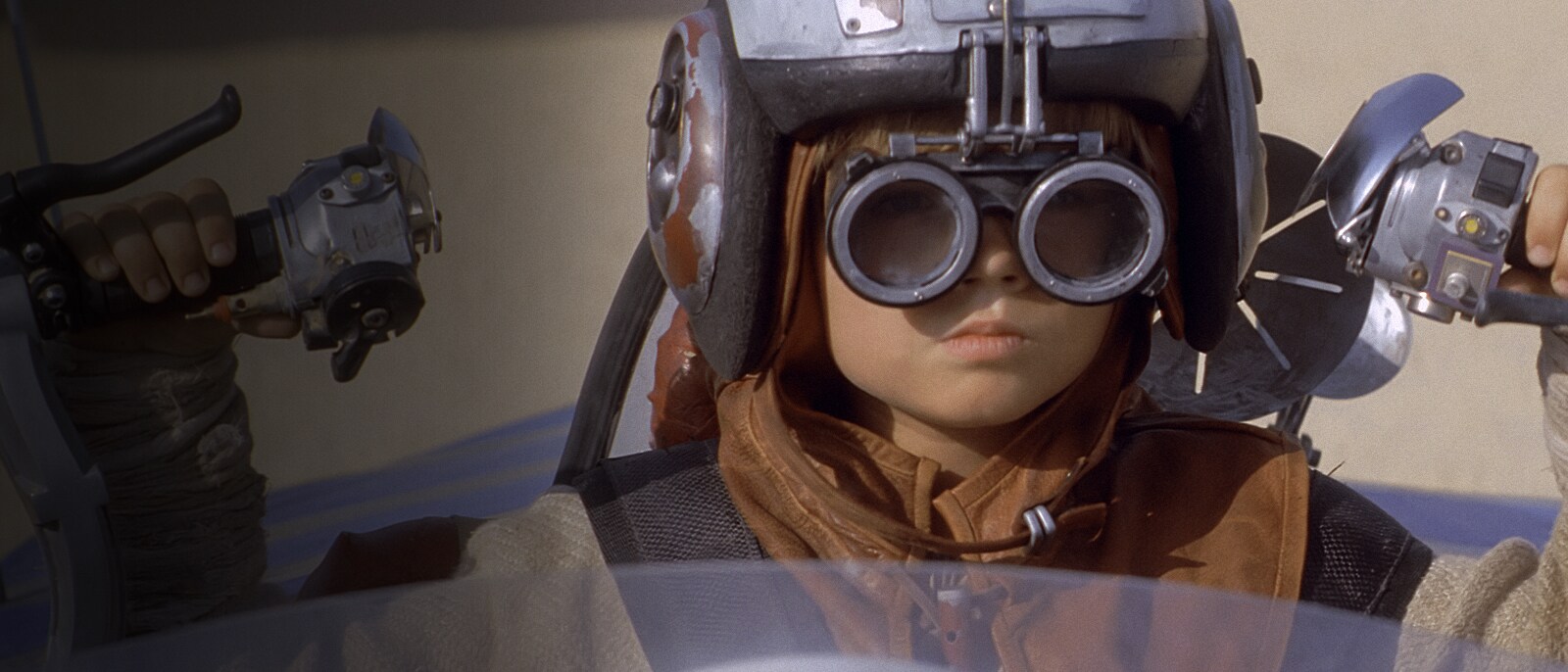
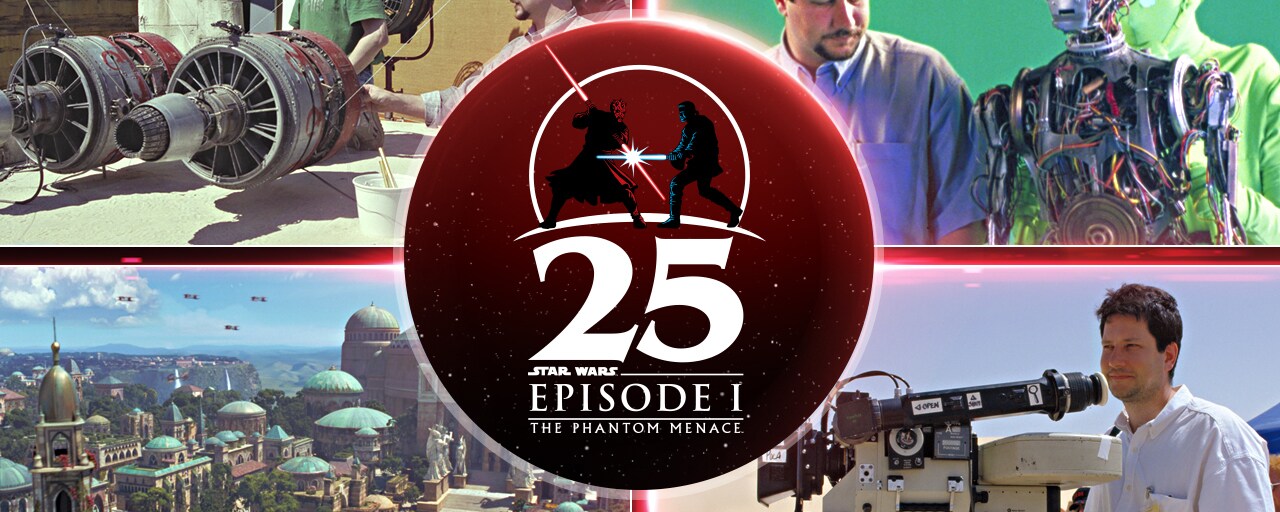
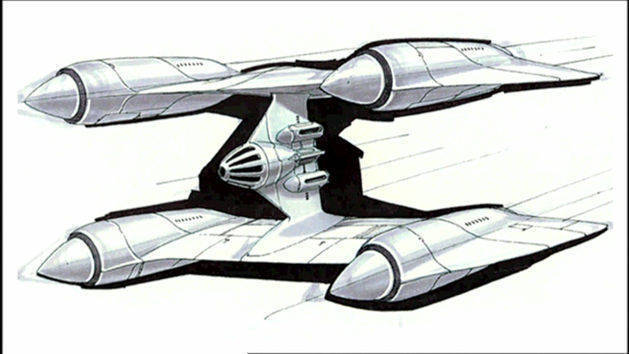
Shuster's first big assignment was to design Podracers that would complete the racing lineup under development in the Art Department. Podracers are extremely high-speed vehicles seen in one of the main action sequences of Episode I. Using directions from George Lucas as a basis, Shuster began creating several of the vehicles, while trying, as he usually does, to give his alien designs a familiar feel. To this end, Shuster likes to take the familiar and turn it on its head. "I've always practiced the concept of twisting the perceptions people have of their world," he says. "To see something in a different light, to assign to an object a function or a purpose that otherwise people wouldn't have seen...I've made it an integral part of my design process to stretch the patterns of the commonplace." Shuster takes this philosophy to heart even at home. "I like to create my own environment," he says. "There's always a project going on to change the way something looks and works. I keep trying to change my perspective, and use an object in a way that was not originally intended."

A big Star Wars fan, Shuster found his work was always influenced by the classic Trilogy. "These movies were so greatly designed by Ralph McQuarrie, Joe Johnston, and many others," he says. "Everything was so innovative, so off the beaten path. It left quite an impression on me. The designs in Star Wars, in broad strokes, were very clean and simple with rational details that made them believable...it wasn't at all a gratuitous display of generic space garbage. I get very tired of looking at car renderings coming out of Detroit that have eight hundred high-lights all over the car and a paint job that reflects a pin-head at 500 yards. That's not reality. I want to see an illustration of real life in Detroit: a brand-new Lincoln Navigator spattered in dried, salty mud and stuck in a 3- foot pot-hole on Woodward avenue with a broken sewer-line spewing noxious material around piles of month-old, jet-black snow."
1
2 Next


Keywords: Artists, Concept Art, Behind-the-Scenes

Filed under: The Movies, Episode I

Databank: Podracer, Anakin Skywalker's
Email Archives
 (
0 ratings
)

Comments: 0 total     See All

Newsletter sign up!
Enter your email here and receive exclusive Star Wars updates