Terryl Whitlatch: Creature Conjurer

Email Archives
February 10, 1999
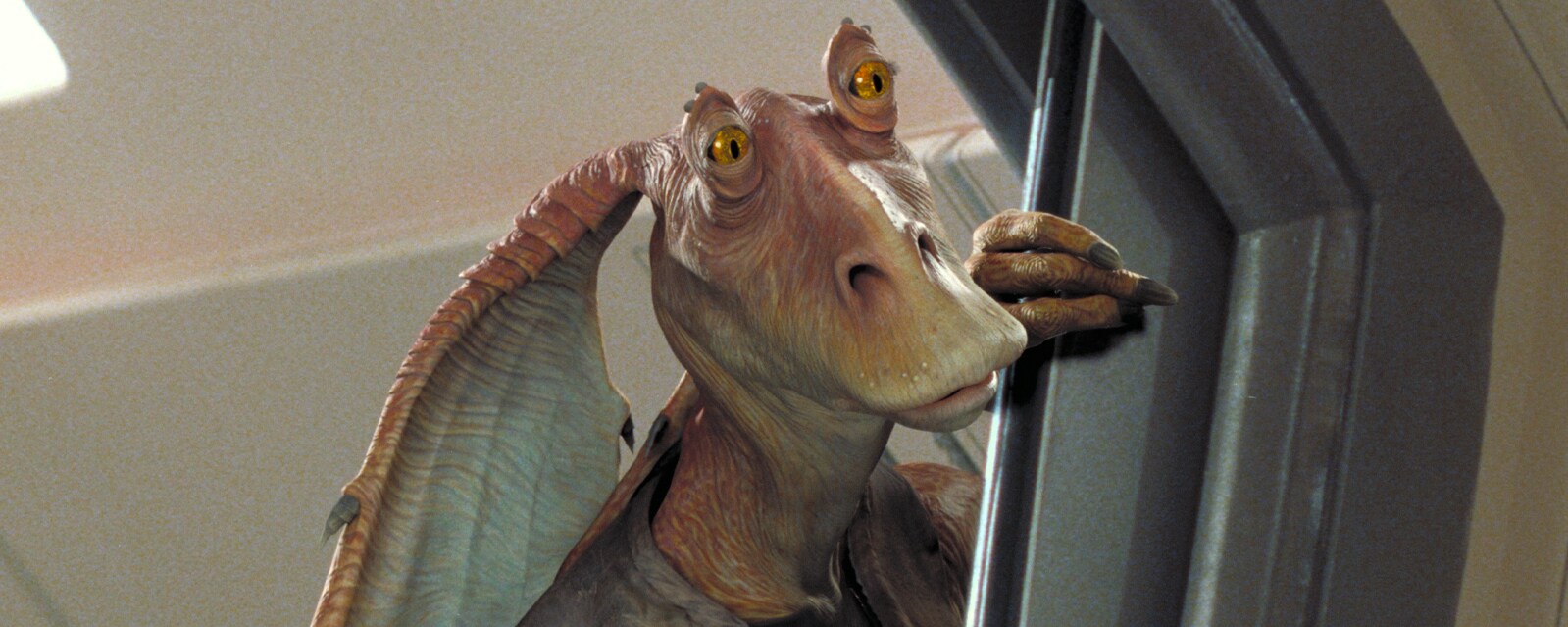
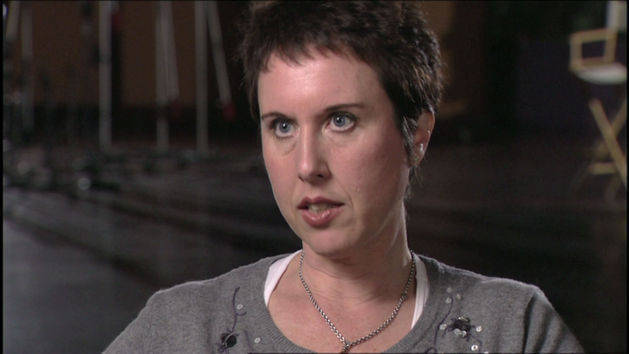
Blending real-life zoology with ideas of pure fantasy, Concept Artist Terryl Whitlatch brings to the design of Episode I's creatures a diversified background and a comprehensive vision.

Whitlatch grew up surrounded by animals. Spending time with a full complement of house pets and her grandfather's horses, she would also visit zoos and museums to see more. Her father, a biology and chemistry teacher, would regularly come home with skeletons, jars filled with biological wonders, or a small animal rescued from dissection. "I've always loved and respected the beauty of design in wildlife," says Whitlatch. And from very early days, she expressed her interest in animals by drawing them.

While she was a sophomore in high school, Whitlatch attended a talk given by a senior science illustrator from the University of California at Berkeley. This presentation set her on her career path. "I thought 'Yes!' that's what I want to do," she recalls. "A field guide or something like that." She went on to study both science and art. "I majored in vertebrate zoology, and at about the last moment I switched to art school because I decided I didn't want to go to Africa and be eaten by a lion," she says with a laugh. "Also, I liked drawing and doing artwork too much to give it up."
Whitlatch built her portfolio creating art and illustrations for animal-oriented organizations such as the World Wildlife Foundation and the Oakland Zoo. With this kind of work in mind, Industrial Light & Magic called and asked if Whitlatch would like to help out on Jumanji. This project was to be the beginning of a series of movie assignments. After designing monkeys and zebras for Jumanji, Whitlatch moved on to storyboarding special effects shots involving animals for the Frank Oz movie The Indian in the Cupboard. She also worked on the facial expressions and mouth movements of the dragon in Dragonheart. Whitlatch was also hired to design alien creatures for The Dig, a graphic adventure game produced by LucasArts.
In late 1994, at Lucasfilm's request, Whitlatch submitted her Dig portfolio and a selection of her other artwork to Lucasfilm Producer Rick McCallum in the hope of being invited aboard for the Episode I project. She waited, trying not to expect too much. "When Doug Chiang called me," she says, "I just about died. I was so surprised and excited! I was actually trembling." Whitlatch was to go on and design most of the new creatures for Episode I. For her this was a dream come true, because she had been a long-time Star Wars fan. Her trained eyes allowed her to enjoy an aspect of the Trilogy that others might perceive only subconsciously: zoological believability. "I had never seen anything so plausible in science fiction", says Whitlatch. "It was more than science fiction: it was a real place where everything made sense. I wanted to see more! Then I saw Empire, and I was blown away all over again. The tauntauns were amazing."

Whitlatch's design philosophy fits the Star Wars universe perfectly. Her respect for all forms of life brings her to create 'working designs.' "I have always been entranced by animals and people," Whitlatch says. "How they work, how their anatomy functions. This is such a wonderful wedding of anatomy and spirit." Every biological detail needs a reason to be there, and Whitlatch makes sure nothing is overlooked in the designs she invents. She especially keeps an eye out for anything that might have been added to an alien creature concept "just because it looks cool." To Whitlatch, this defeats the believability of a design. "My background of natural sciences and illustration artwork is truly helpful in my work on Episode I, because the Star Wars pictures are believable movies," she says. "It's a matter of taking reality and just kind of tweaking it a little bit. It's really a blend of fantasy and reality, because you can go to the zoo, look at the animals, and think: 'Well, woolly mammoths did exist, why not banthas?'" However, in her eyes, too much reality is just as bad as too much fantasy, because at that point the alien creature designs fail to look imaginative. A balance must be reached, she says, where the environment and the creatures living in it are a convincingly realistic fantasy, no more, no less.

A lot of the elements that Whitlatch puts into the design of a creature will never be apparent on the screen. The skeleton is one of these rarely-seen features, though Whitlatch never fails to carefully build one for each of her creations. The bone structure, in her mind, goes a long way toward indicating whether or not such a creature could conceivably exist, grow, move around, and reproduce. And could a skeleton of a given size withstand the forces of stress involved as the creature moves? Whitlatch always keeps in mind considerations such as these when designing her would-be living, breathing creatures. "When I develop a skeleton, I try to focus on what the skeleton has to do to hold up the creature," says Whitlatch. "To that end it's really important to observe skeletons of both humans and animals, because what works in our world will work on the planet Tatooine, or Naboo."

Once a design is completed and approved by George Lucas, other members of the production team take over, turning it into a physical model or a computer generated figure. Sometimes they will even modify Whitlatch's design to fit their needs. Handing over her creatures can be an emotional experience for Whitlatch. "In many ways it's like sending your children off to college," Whitlatch says, "and seeing what they'll be like when they graduate. Kind of a scary and fun experience. 'Will they look like I've imagined them to be?' So it's a matter of letting go, letting them leave the nest, biting your nails and hoping for the best. And it's really exciting."

So when you see one of Whitlatch's creatures loping through the swamps, flying through the skies, or scuttling across the landscapes of Episode I, you can be sure that it was carefully conceived and thought out by its creator. There is probably a complete zoological dossier on it available in Whitlatch's files as well.

After all her years of observing the beauty inherent in the designs of living things, she's now creating zoologies of her own. If her creatures seem so realistic as to have created themselves, then Whitlatch will be delighted. "They are all supposed to blend into the worlds of Episode I," she says. "If they can help someone else find Star Wars as believable as I found it when I first saw it, then I've accomplished what I've tried to do."


Keywords: Artists, Concept Art, Behind-the-Scenes

Filed under: The Movies, Episode I

Databank: mott
Email Archives
 (
0 ratings
)

Comments: 0 total     See All

Newsletter sign up!
Enter your email here and receive exclusive Star Wars updates