Several weeks before shooting was scheduled to begin for
Star Wars:
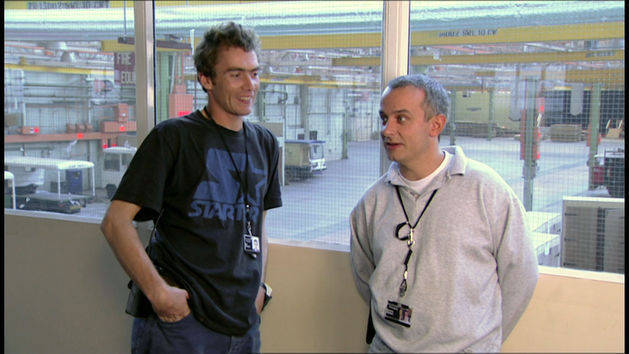
Episode I, I met with Set Decorator
Peter Walpole and his crew at the
Leavesden Studios Prop Department. For months they'd been churning out props and set dressings and at this moment things were moving ahead at full speed. "We are going flat out now," said Peter.
Working from a design and color palette set by George and the art department, Peter and his crew had the job of translating sketches and drawings into the hundreds of weapons, set dressings, hand props by using as many real-world elements as possible and creating whatever they didn't have from scratch.
Peter first worked with Lucasfilm on The Young Indiana Jones Chronicles, a production that brought together for the first time several key Episode I crew members including Production Director Gavin Bocquet and Producer Rick McCallum. Peter says he was very pleased to have passed the course and ended up on one of the most amazing productions he's ever worked on. "And, it is terrific. You get in here at 7:00 Monday morning and the next thing you know it's 8:00 Friday evening," says Peter, "I don't think that would happen unless you were having fun."
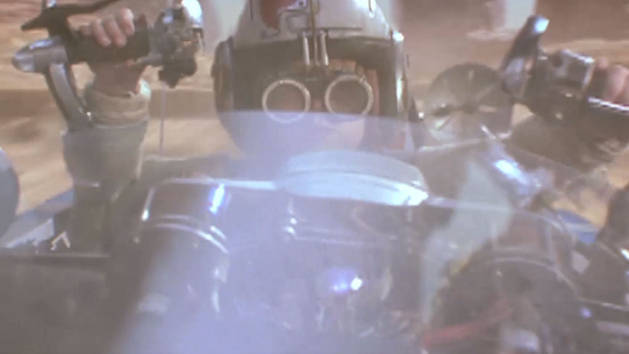
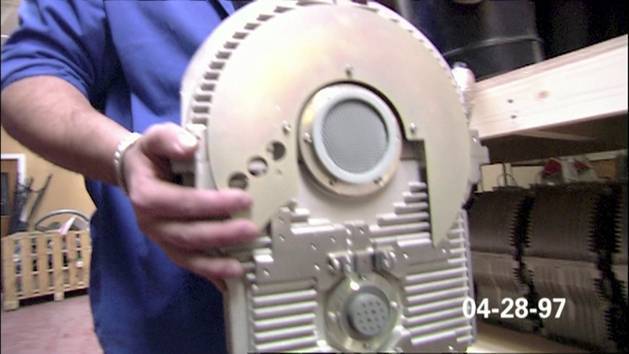
A huge storeroom of scrap metal, plastic parts, and computer hardware was gathered to supply the real-world elements, but no office at Leavesden was safe from pilfering if Peter or his cohort, Prop Master Ty Teiger, saw something on a desk that they thought might add that missing touch to a star fighter or a Mos Espa market stall.
Peter says that he and Ty have the same ability to adapt real-world 'greebly bits' into Star Wars building materials. He and Ty bounce ideas off one another as they go along. But, says Peter, a lot of their set dressings will never be seen because they're so well blended into the background. Their goal is to make something that looks like it belongs and doesn't stand out.
Creating the props is a lot like modeling a sculpture. They start with the basic shape and structure of a object, and then they start adding different pieces. From guns, to backpacks to lightsabers, the prop crew used their creativity to build props that were believable and useable. Peter and Ty's crews included metal workers, gun makers, model makers, electricians and sculptors.
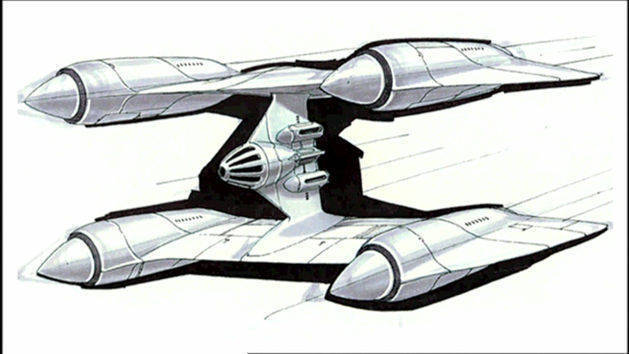
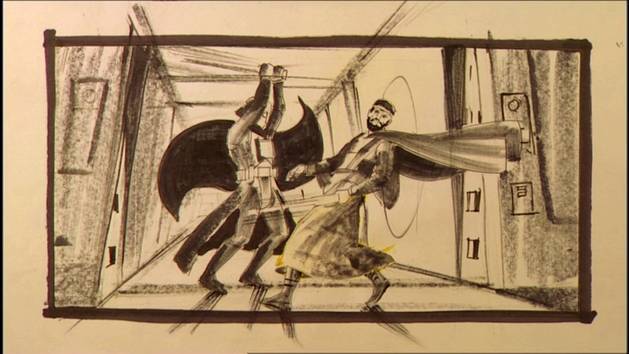
Peter says that sometimes the designs start as quick sketches by George or Production Director Gavin Bocquet. He mentioned the queen's gun as an example of this. Drawing on a table, George did a pencil sketch that he thought would work nicely as a gun design. In the hustle and bustle of the Prop Department, they lost the table, but were able to get the gun built before George's next visit.
Often, once one prop was built, they would take the design a step further and build several variations of it like in the case of the Mos Espa market place vender stalls. Going off a few designs from the art department, they came up with dozens of different stalls to fill the market place scenes.
In building the lightsabers from wood, aluminum and spare parts, they used art department designs and the original trilogy sabers as a starting point, but needed to alter the length, and circumference, and had to create different variations for the individual Jedi Knights that will appear in Episode I.
In addition to creating props that are described in the Episode I script, they built other dressing pieces to fill out the sets. Ty showed me a spinning prop made from the carcass of an engine and metal beads all held together with very strong glue that was built by one of the Prop Shop crew. They often make things up from what people have mentioned in passing, or they go from the script and fill in missing props.
Peter said they often get attached to certain props. It's heartbreaking on the rare occasions when something is lost or broken, says Peter, because each piece of the set combines to create a whole canvas in front of which the actors tell the story. He says that they're all very happy when a well-dressed set is captured nicely on film.
![[ Lynne ]](/episode-i/bts/me1/img/lynne_sig.gif)