[ Welcome ] [ What's New ] [ The Movies ] [ Beyond the Movies ] [ Gaming ] [ Community ] [ Kids ] [ Shop ] [ Hyperspace ] [ Starwars.com ]
[ Starwars.com ]

[ Tatooine ]
Tatooine
A planet in the distant Outer Rim, beyond the reaches of Republic and Imperial law...
[ Read More ]
Feature: starwars.com @ Celebration II
Feature: Star Wars Episode I: Production Notes
Video: Part 6: Prime of the Jedi
Feature: The New Star Wars Episode I
 
[ Episode I ]


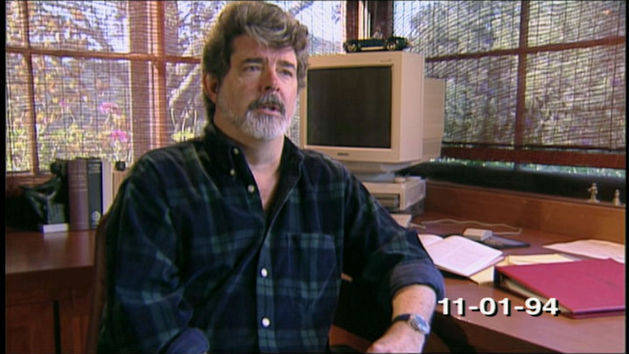
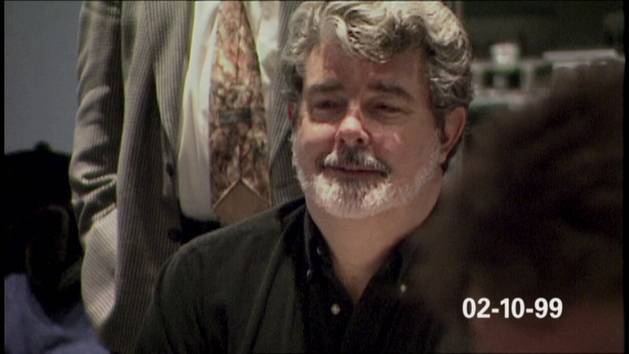
Creating the realistic new worlds of Episode I has brought George Lucas into a realm he hasn't explored before in film -- fashion. For the original Star Wars trilogy he deliberately kept the design very simple with neutral costumes and environments. However, the sophisticated societies of Episode I require something more elaborate than the sand-colored robes of Luke Skywalker and the simple white dresses of Princess Leia. "It's the nature of the plot. I am going to the center of the galaxy, there has to be some style and fashion there," George says.

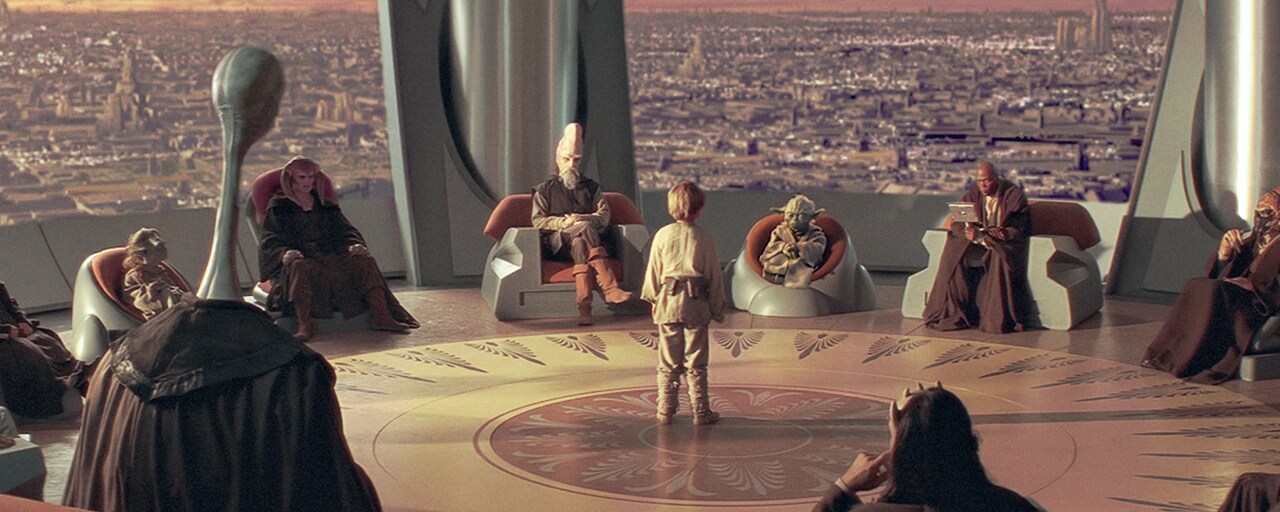
The range of the thousand-plus costumes spans the exotic and strange. Royal gowns, slave's tattered clothing, the armor of Jedi warriors, and the somber robes of diplomats all add to the realism of the cultures created for Episode I.

The look for Tatooine inhabitants had already been established in the previous films and there was a need to keep a continuity from past to present. The original Obi-Wan costume was pulled from the Lucasfilm archives to help choose the colors and fabrics for the Episode I Jedi Knights. However, Naboo and Coruscant were new territory so clothing styles spanning various civilizations and historical periods were used as inspiration for the costumes. "There was a list of ethnic references or periods that George was particularly interested in," Costume Designer Trisha Biggar says. The designs and fabrics were influenced by fashion elements from all over the world. She says, "Everything has a historical base so when you look at the costumes some of them might give you a feel of Japan or Mongolia or China. We've taken little bits from all sorts of cultures."

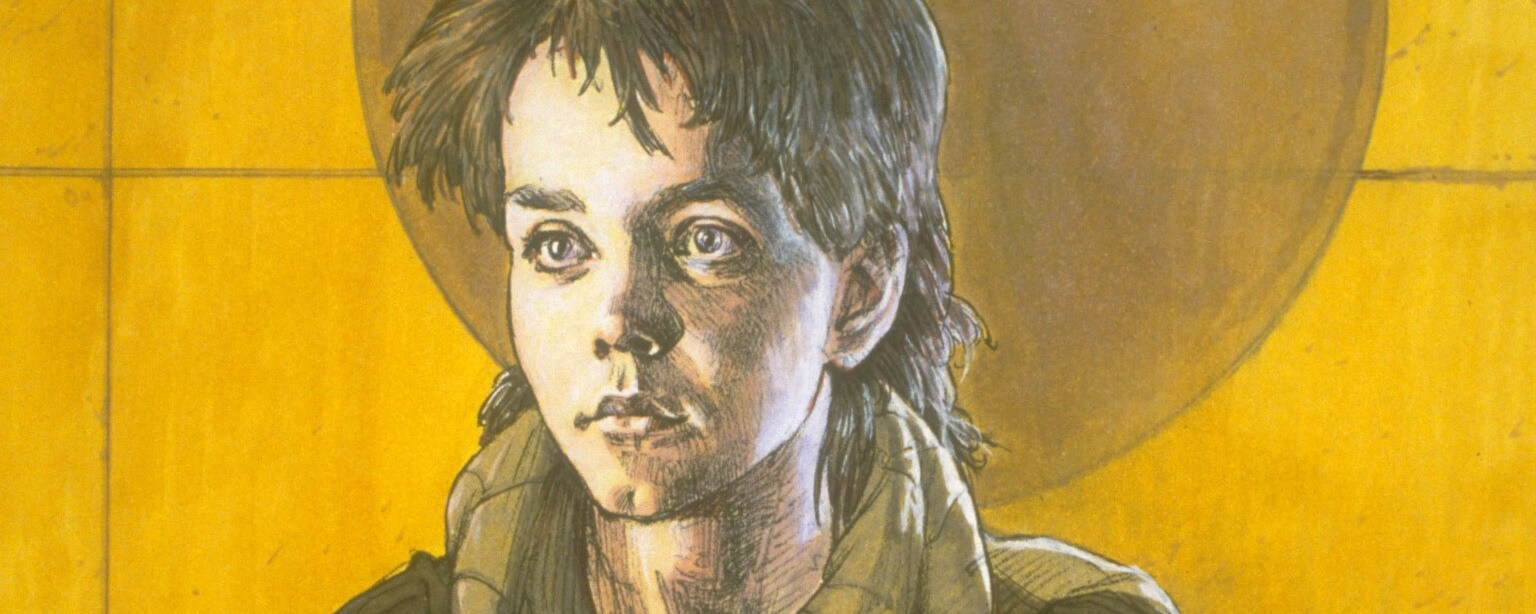
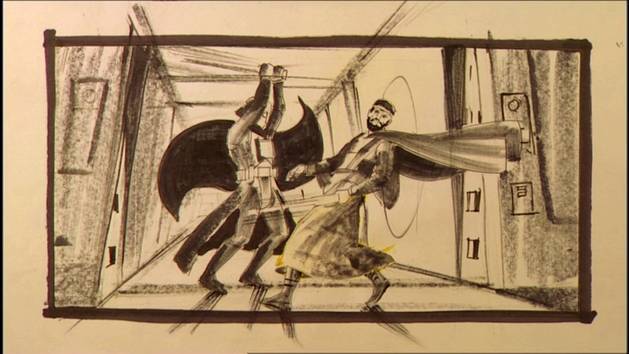
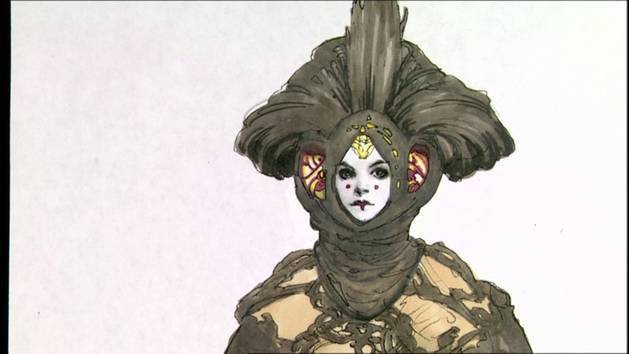
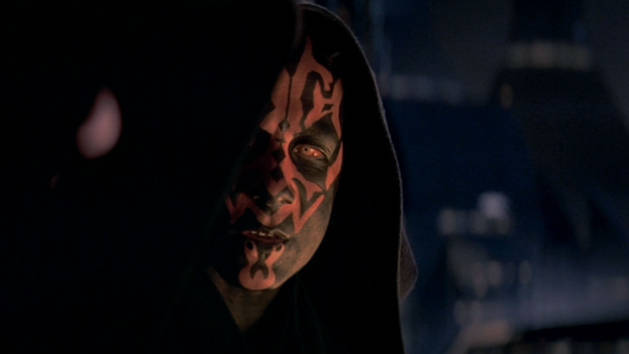
The first stage of costume design began even before the Episode I script was final. When Concept Artist Iain McCaig joined the art department at Skywalker Ranch, it became his job to take the characters George was writing about and expand on them visually. "The design always comes from the function of the character in the story," Iain says. "The characters I drew needed something to wear, so before I knew it, I was designing the costumes." The design work of a costume, hair and makeup artist is focused on specific parts of the human body. "But, the concept designer thinks of everything, not just from head to toe but also what the character is doing in the scene. I never design a costume without knowing who is inside. I don't need to know the exact actor as long as I know the spirit of the character wearing it," Iain says.

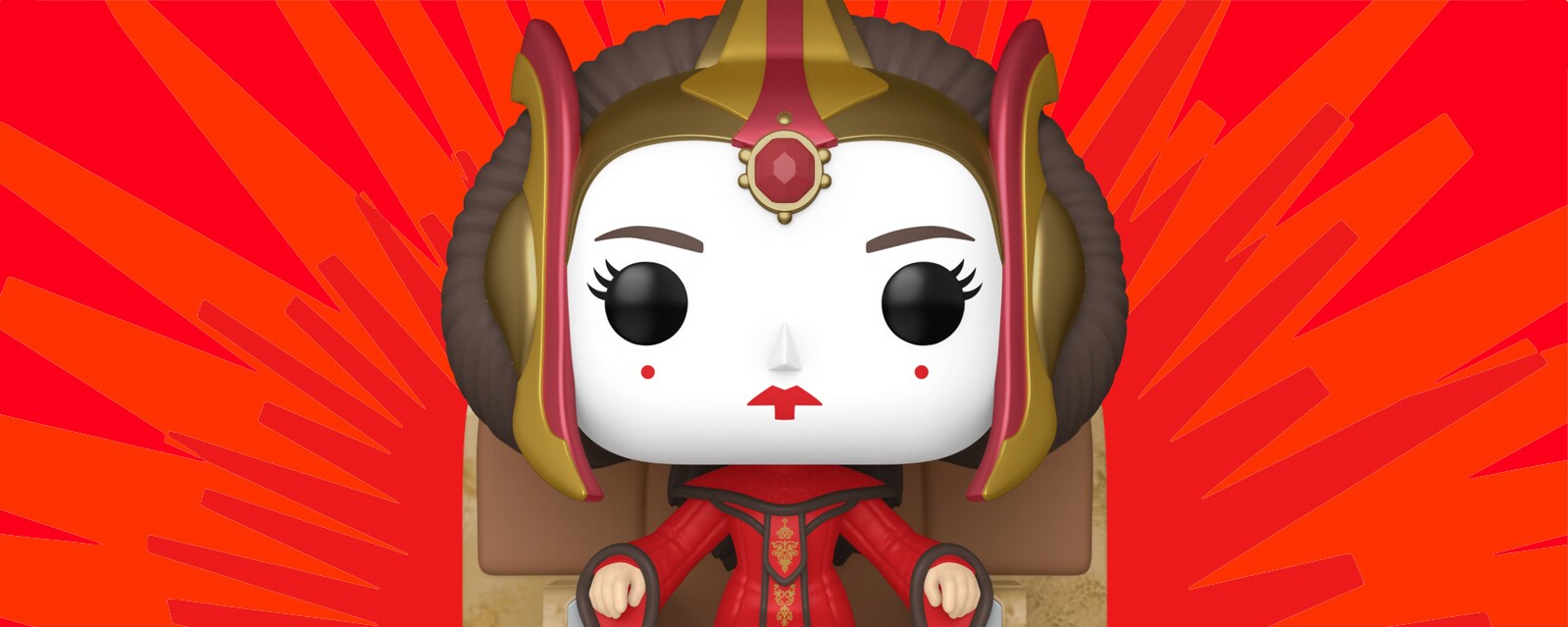
For the queen's costumes, Iain says, it was anything goes. As the costumes for Queen Amidala expanded in detail and number, it became clear how visually rich the fashion of Episode I would be. "When George decided that each time you saw the queen she would be wearing a different costume, I think it was then he decided it would be a costume drama," Trisha says.

As a concept artist, it was Iain's job to develop a range of costume designs, but it was up to Trisha and her costume crew of 50 to bring his concepts to life. "You can draw whatever you want on a piece of paper, but that doesn't necessarily make it real," Iain says.

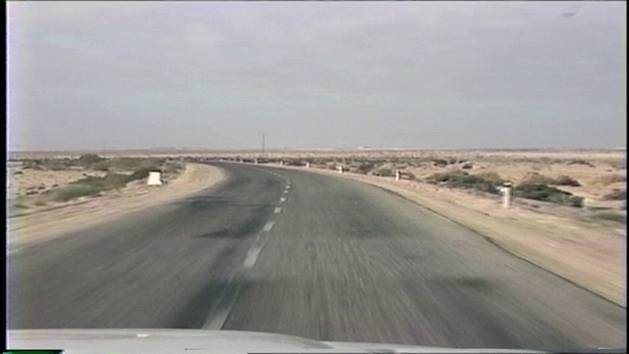
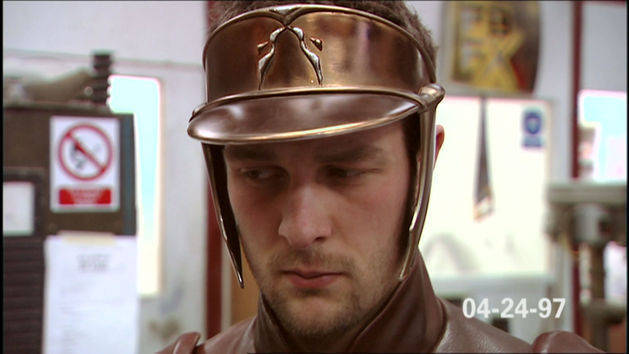
Like building sets or creating special effects, constructing an article of clothing from a drawing has its own set of challenges. Trisha said Iain draws fabulous costumes, "But, sometimes to put costumes onto a human body, things have to change. You have to adapt the costume design to enhance the body shape that you want the characters to have." Trisha dealt with the complicated architecture of elaborate gowns and bulky creature costumes, making the end product look true to the original design. The costumes also had to allow for a wide range of motion to react appropriately to movement during fight scenes and stunts. She worked with Stunt Coordinator Nick Gillard to build foam versions of the Naboo soldier's armor so the stuntmen wouldn't harm themselves during action scenes. When the production traveled to Tunisia, Trisha faced the unpredictable effects of extreme wind and heat on the costumes.

Trisha gathered new and vintage fabrics from all over the world. Her team created many fabrics from scratch as well by weaving, dying and printing. Creating enough of an exotic spiderweb-like fabric for the queen's travel dress took one woman a month working five days a week, ten hours a day. "Everything that you could do to a piece of fabric, we have done," Trisha says.

Queen Amidala's costumes are among the most complex they constructed. "Probably the most difficult was the throne room dress. It has a series of lights around the hem of the dress and was architecturally the most difficult dress to make." They went to great lengths to create an amazing and unique look for the queen. "To get the look we wanted for some of the queen's costumes, they're not particularly easy to walk in. You can walk across a set but you couldn't walk down the street in them."

[ Lynne ]

Part 12: Movie Music
Part 11: Bad Droid Karma
Part 10a: Naboo Soldier
Part 10: Costume Drama
Part 9: It's Like War Now
Part 8a: Casting Director
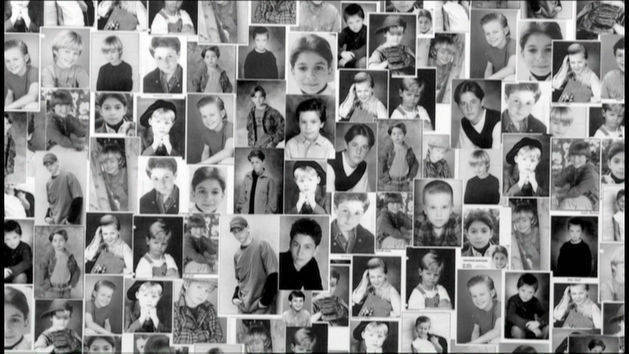
Part 8: Three Thousand Anakins
Part 7a: One Day to Go
Part 7: Assistant Directors
Part 6a: The Fall
Part 6: Prime of the Jedi
Part 5: This is a Creature Film
Part 4a: Something Out of Nothing
Part 4: Boys in Paradise
Part 3: Home Sweet Home
Part 2: Thousands of Things
Part 1a: Interview Outtakes
Part 1: All I Need is an Idea
Introduction

[ Archives ] [ Discuss This ] [ Email This ]

© Lucasfilm . All rights reserved. | Terms of Use | Privacy Policy | Business inquiries