Cinefex Features Episode I

Email Archives
July 13, 1999
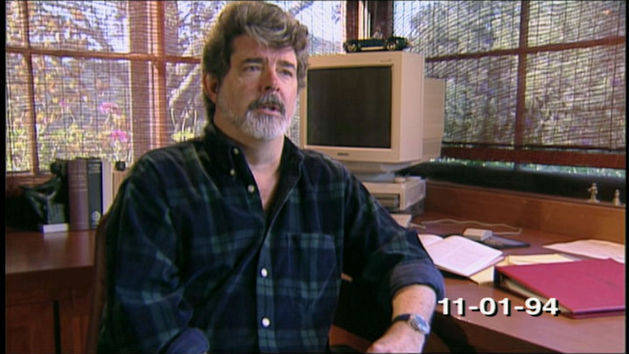
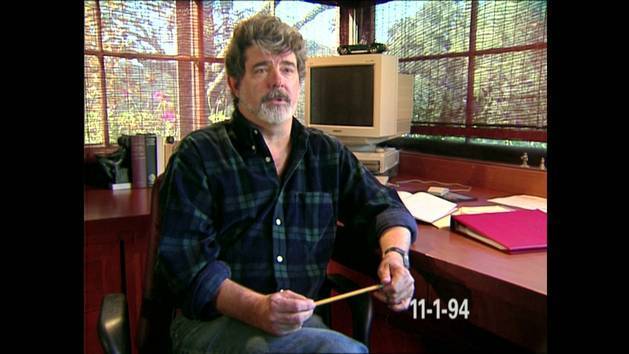
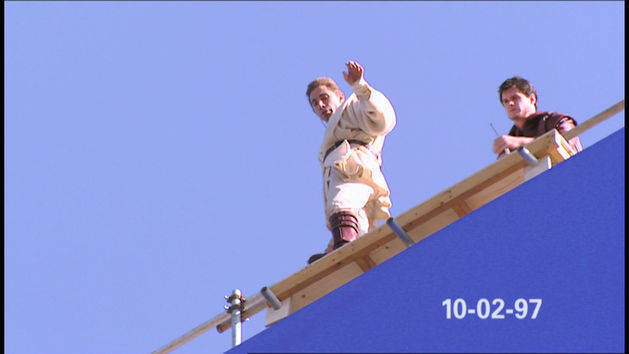
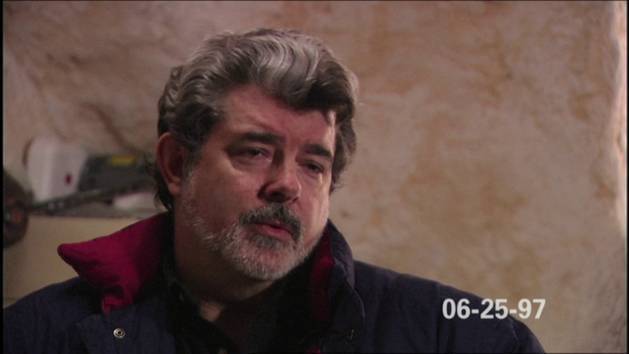
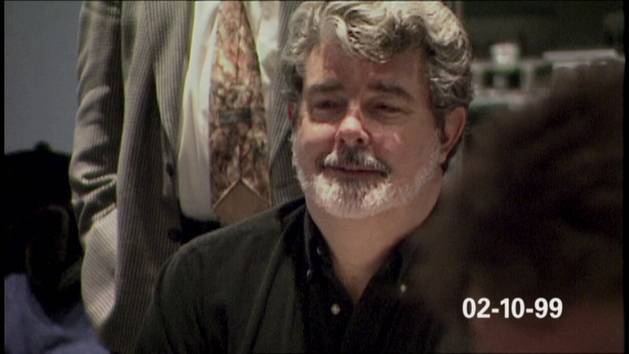
The latest issue of Cinefex Magazine, the leader in visual effects journalism, features a detailed synopsis of the making of Episode I. The issue devotes itself to interviews and articles about the film and the people who participated in bringing the newest episode of Star Wars to the screen. In particular, Cinefex concentrates on the visual effects of Episode I that set a new standard of realism and seamless integration with live action footage. Beginning with a detailed interview with George Lucas, Cinefex gets the answers many of us have long awaited since the film's release. From initial art sketches to choices made on the use of technology, George Lucas openly explains his choices and beliefs, as well as their origins.
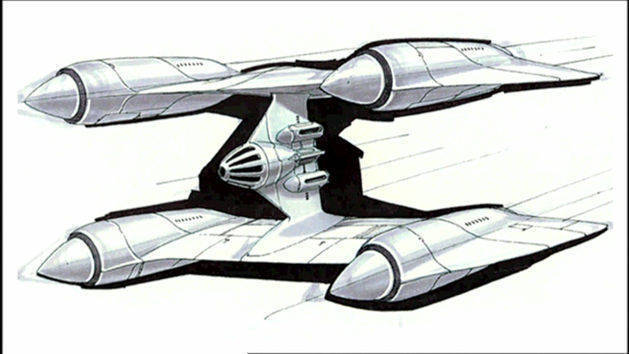
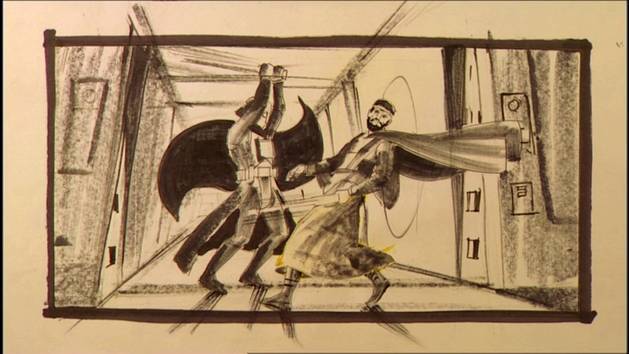
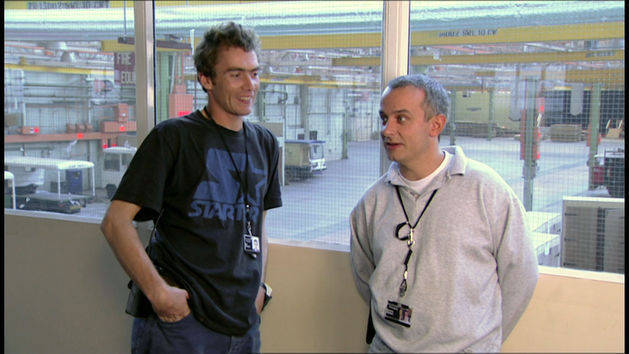
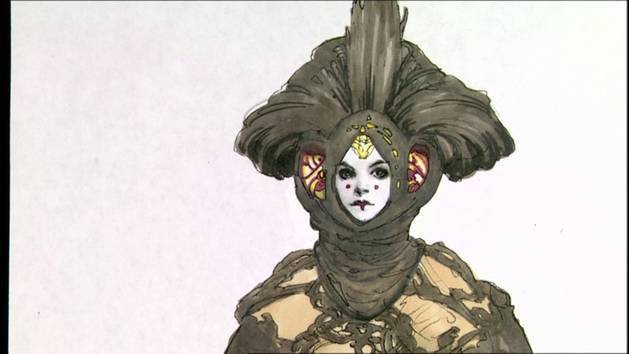
The magazine covers the making of Episode I from concept to final realization. Episode I Design Director Doug Chiang describes the detail that went into his work on the film, from day one of employment to the thousands of sketches he and his team at the Skywalker Ranch Art Department made in the years ahead. The piece on Chiang, titled Phantom Visions, introduces many of the artists on his team and touches on their influence on the film. From concept art to oil paintings, we discover the vast amount of work that went into making Lucas's vision come to life. We also get a chance, perhaps for the first time, to see clips from the pre-visualizations created by David Dozoretz and his animatics team. These animations acted as blueprints or pre-cursors to the final shots in the film.

From the Art Department, Cinefex moves to Industrial Light & Magic to explore the vast number of special effects in Episode I. The effects shots were divided among three Visual Effects Supervisors at ILM, so that the demanding amount of shots could be efficiently handled in conjunction with the time, money, and labor available. John Knoll, in addition to supervising several shots himself, served as the on-set representative for the visual effects crew, making sure that plate photography could be matched with the synthetic images being created in the digital realm. Scott Squires and eight-time Academy Award winner Dennis Muren also shouldered equal portions of the visual-effects load, bringing their unique talents to bear on specific sequences in the film.

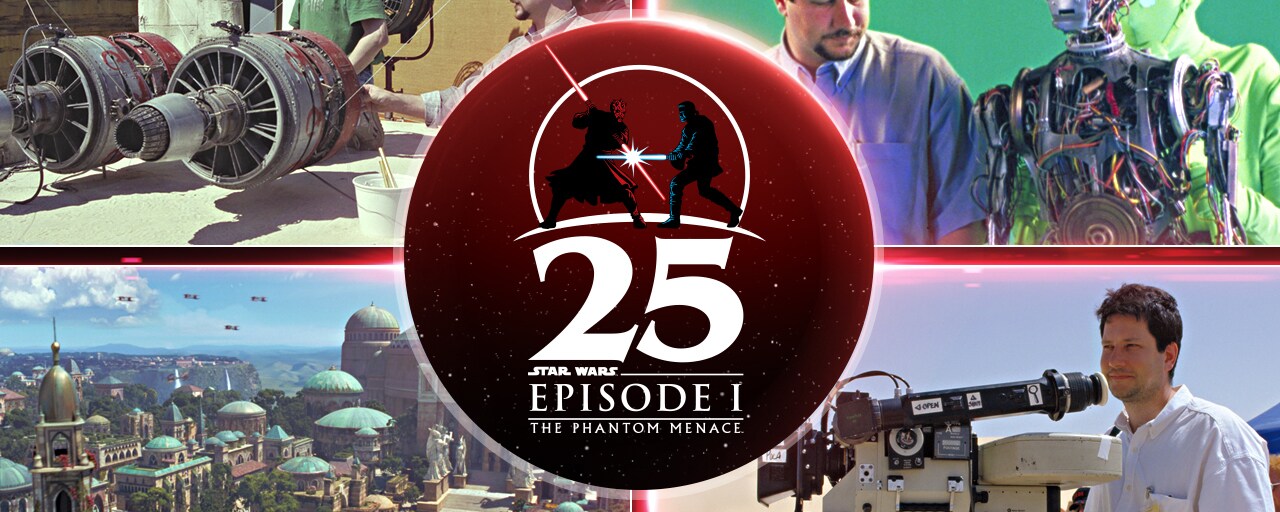
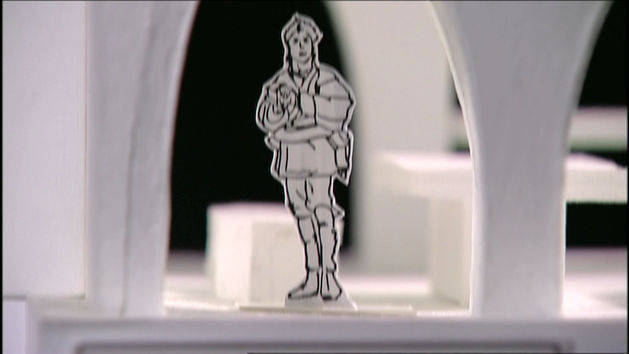
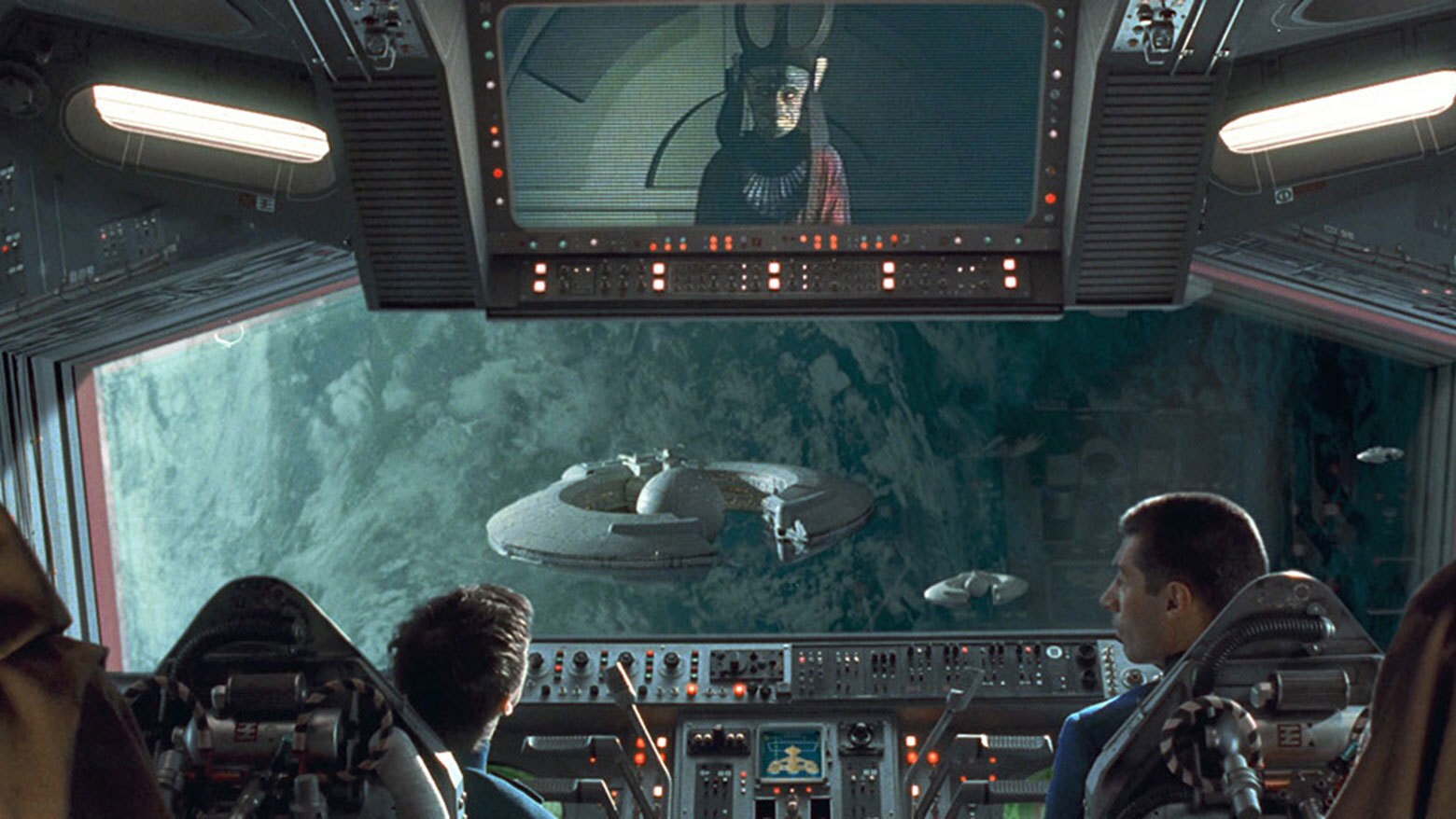
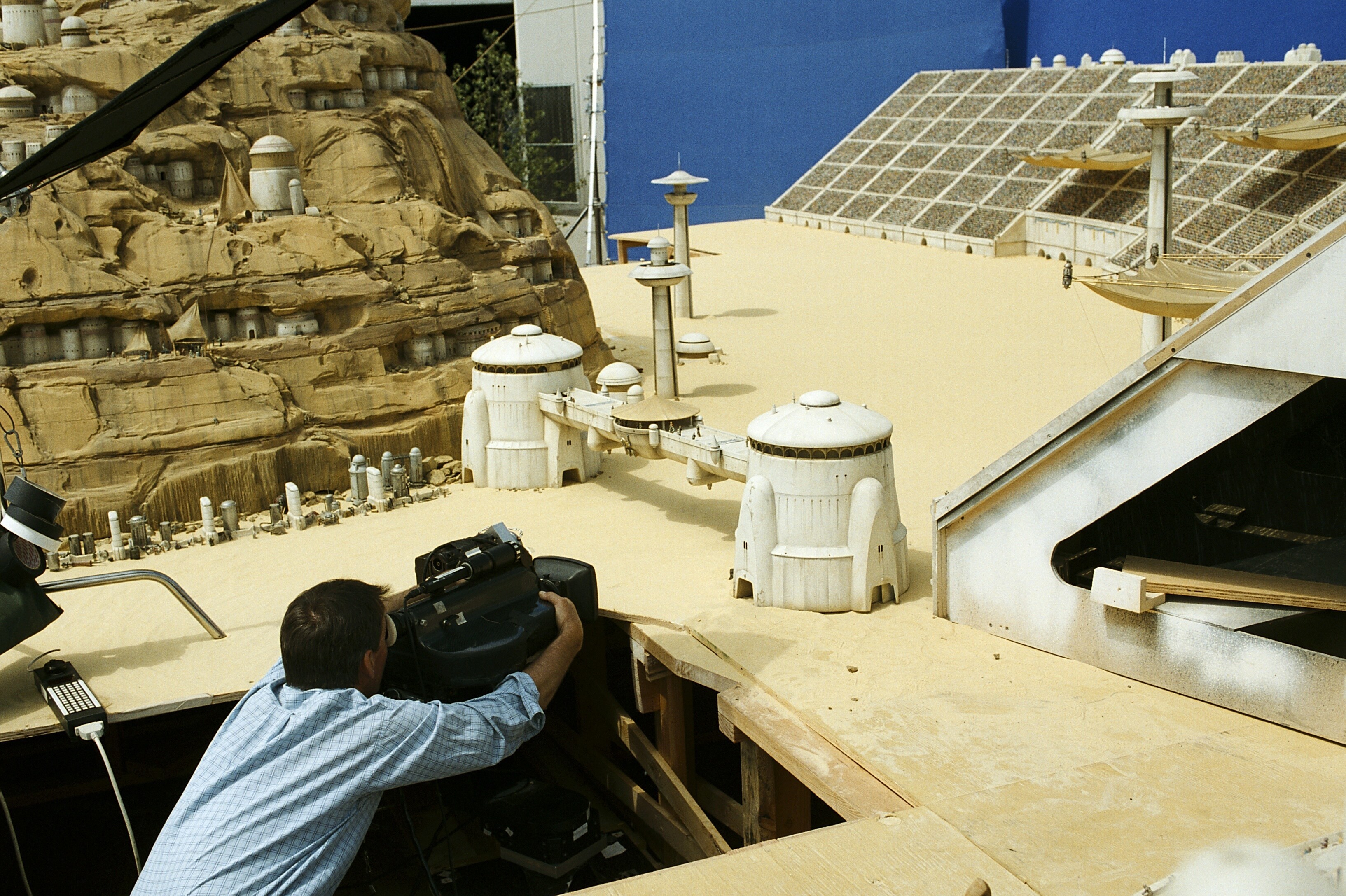
Following the interviews, the magazine dives into a summary of the film partnered with sections on the making of the special effects. The summary is divided into three acts. Act 1 begins by describing the first few scenes and the specific issues that came up as they worked to make the film look and feel the way Lucas envisioned it. Throughout Act 1, we discover how, in order to work in parallel, one visual effects team might work on shots of the Queen's starship when it was in space, but another team would handle the effects when the ship was on land. Also revealed in Act 1 is the process of using practical miniature models for many of the shots. Models and miniatures are used throughout the film, but are especially helpful in scenes where ships are blown up, and where long panoramic shots are needed for the cities of Naboo and Coruscant.

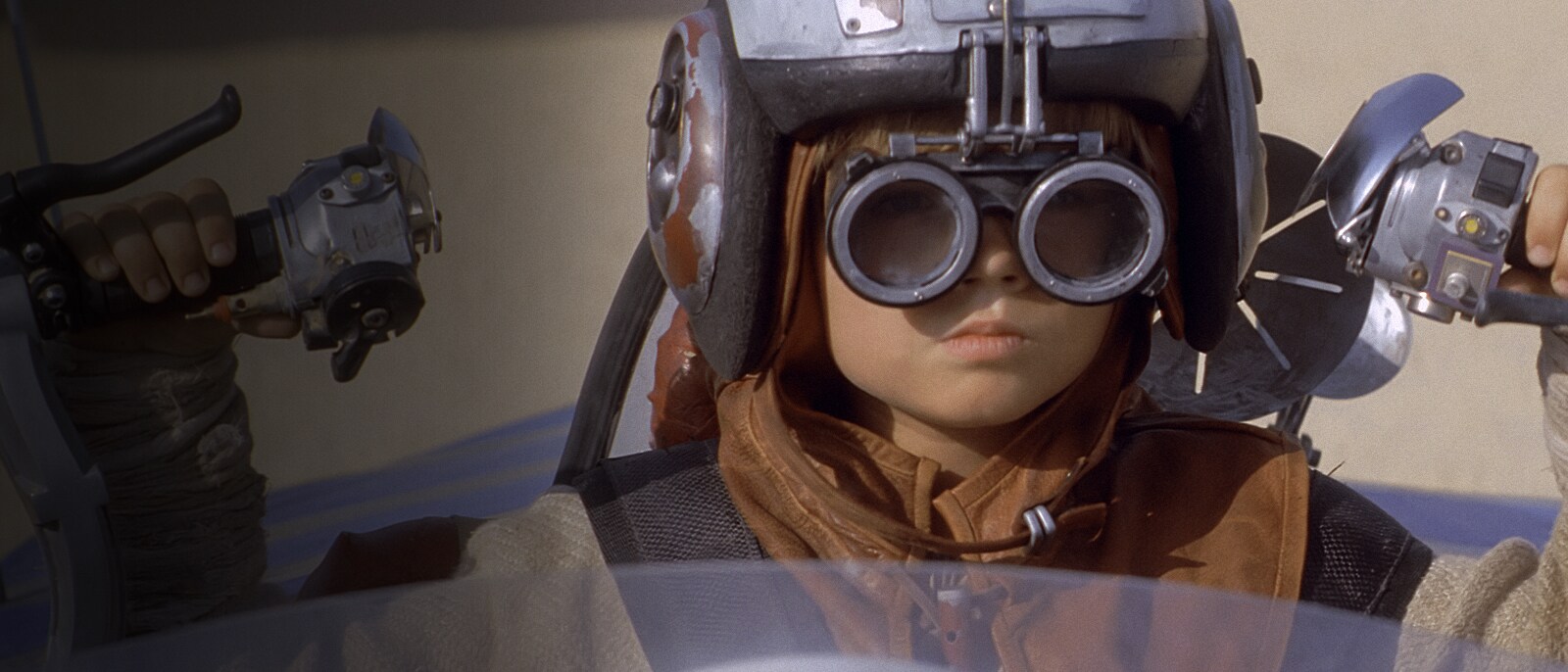
Act 2 summarizes the middle section of the film, including the thrilling Podracing scene. Here the article describes the extensive research that goes into creating a special effect. Artists explain how they studied race scenes in past films and footage of Nascar races to see exactly what it looks like when a car, or Podracer in this case, collides with another at intense speeds. Not only did they need to study the effects on the car, but also the surroundings at the time of the collision: "For crash scenes, technical director, Habib Zargarpour developed a dynamics simulation that created organic-looking debris and smoke elements quickly and efficiently." Many miniature models and sets were also utilized for the Podrace along with many other special computer software techniques. The Podrace was one of the most difficult scenes to create says the ILM team members.

Act 3 brings us to the final battle where the Gungan army meets the Trade Federation battle droids. A detailed description allows readers to follow the construction of the scene from start to finish, and quickly we realize that the entire scene is digitally created. Computer models were used to achieve the massive numbers of creatures in the sequence, by duplicating a single model thousands of times. A separate group at ILM handled the machines and equipment-called "hard-surface models" for the battle. As for the backdrop, "Dennis Muren shot still photographs of hills and sky, which were then digitally tweaked and tiled together."

Throughout the July issue, Cinefex allows us to discover and learn about the phenomenon of special effects with the help of Episode I as its example. In addition, it provides the reader with some special insight to the new film, as well as a lesson in entertainment technology.


Keywords: Animatics, Behind-the-Scenes, Concept Art, George Lucas, ILM, Magazines

Filed under: Fans, Media News, The Movies, Episode I

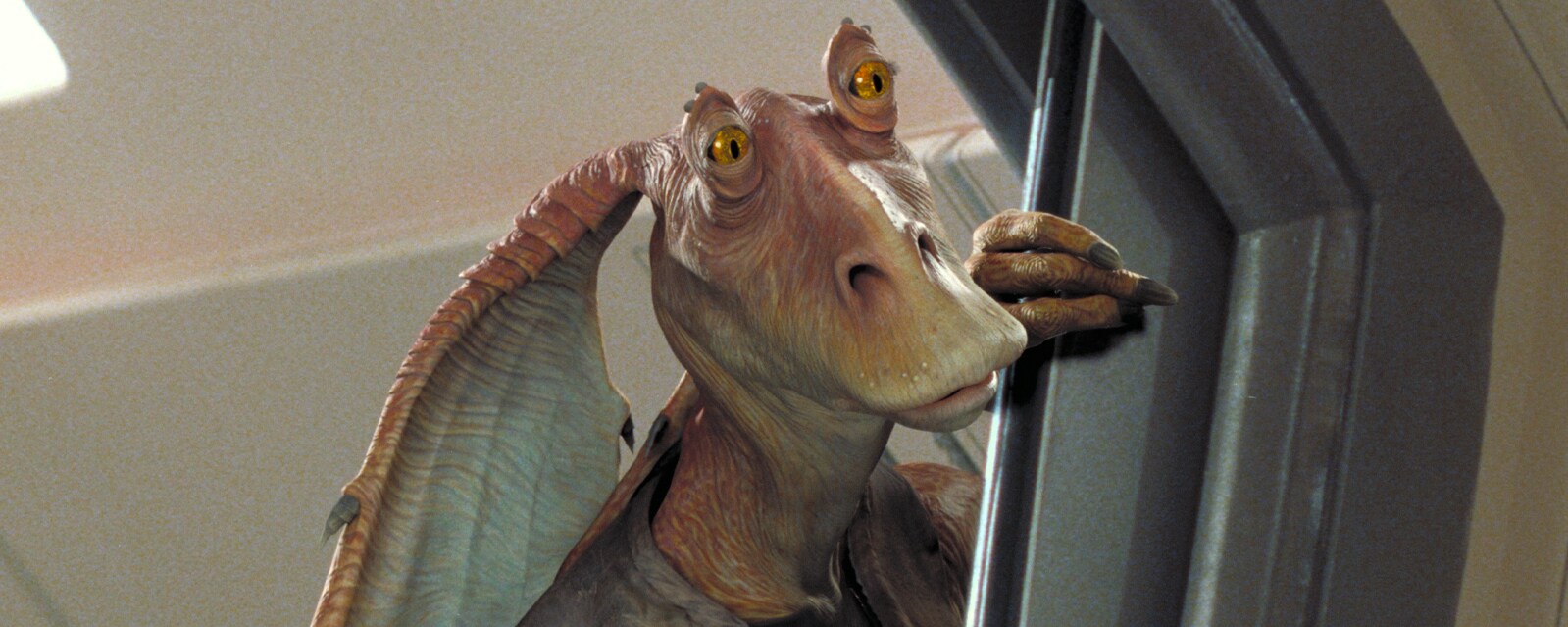
Databank: Binks, Jar Jar
Email Archives
 (
0 ratings
)

Comments: 0 total     See All

Newsletter sign up!
Enter your email here and receive exclusive Star Wars updates