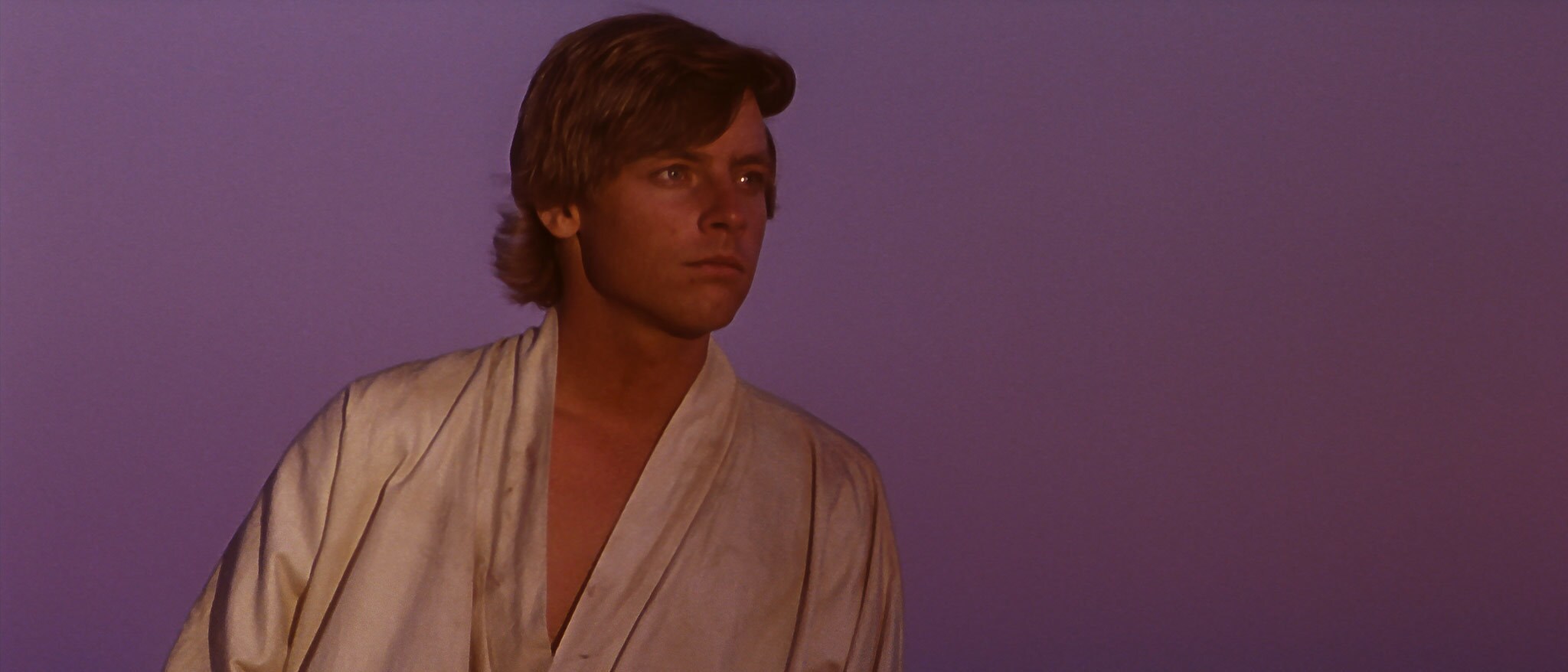
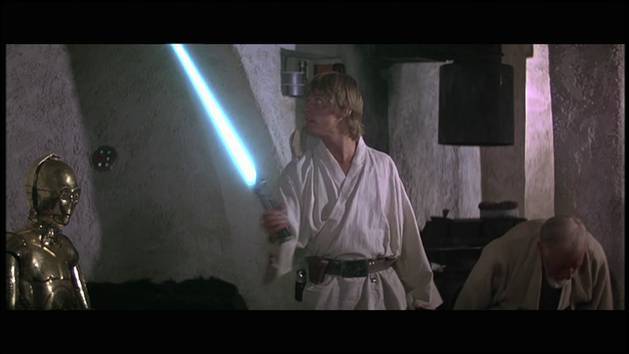
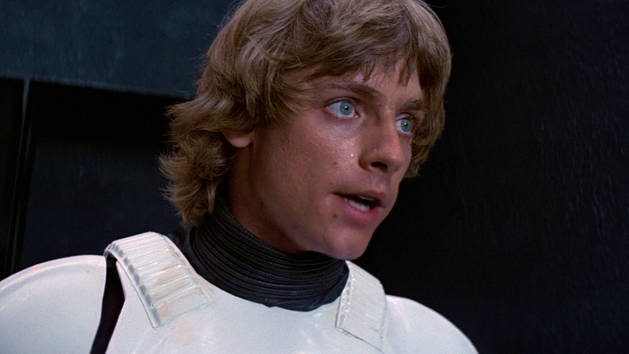
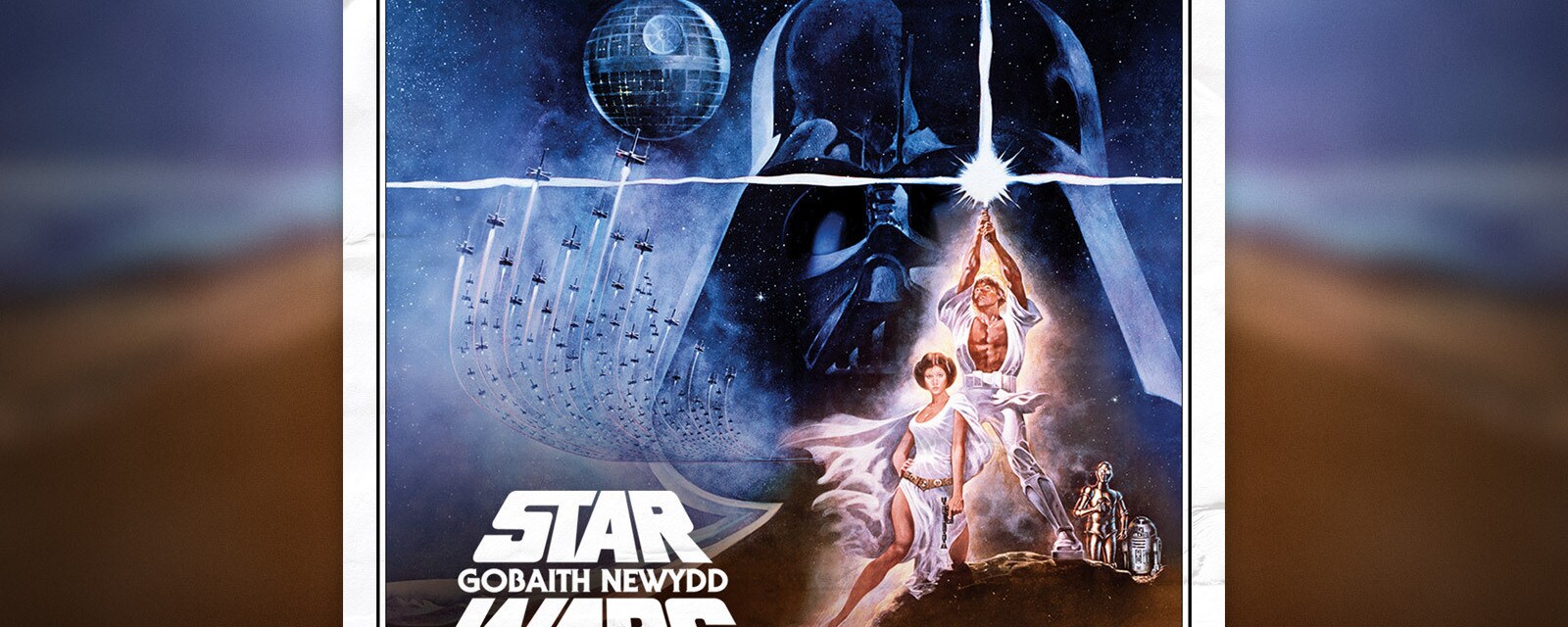
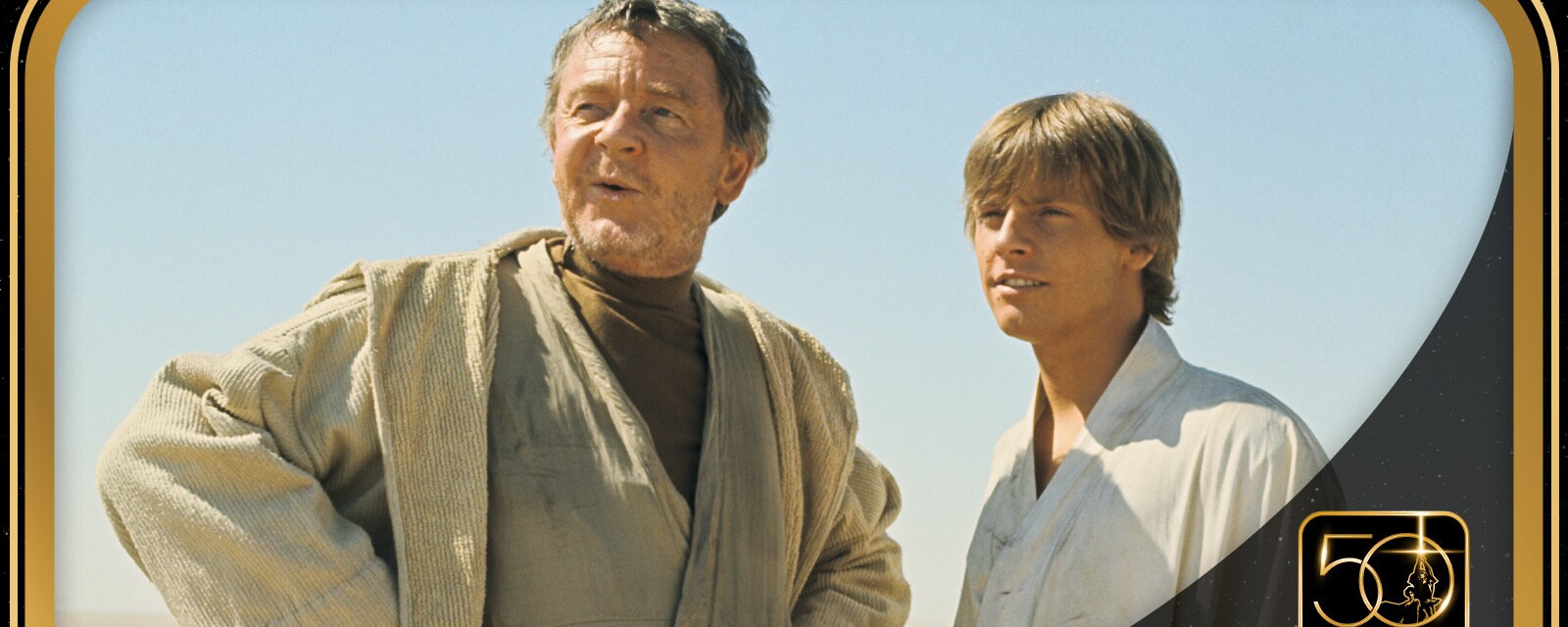
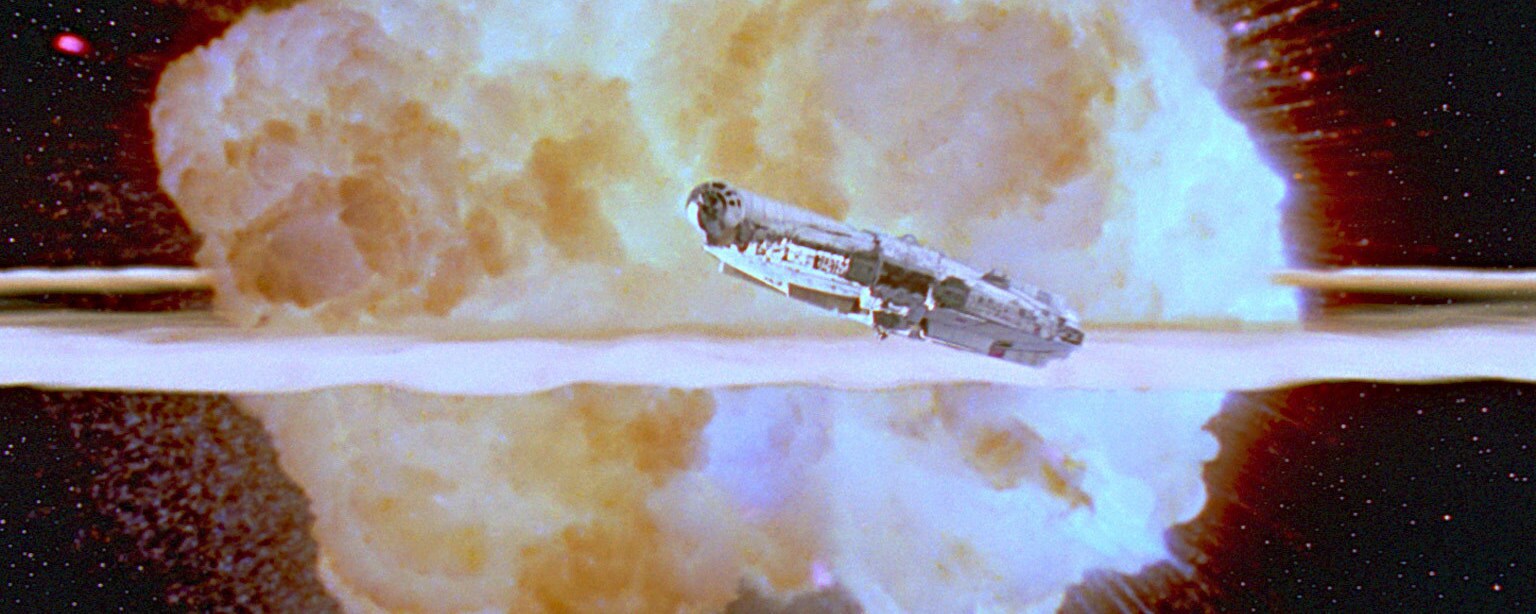
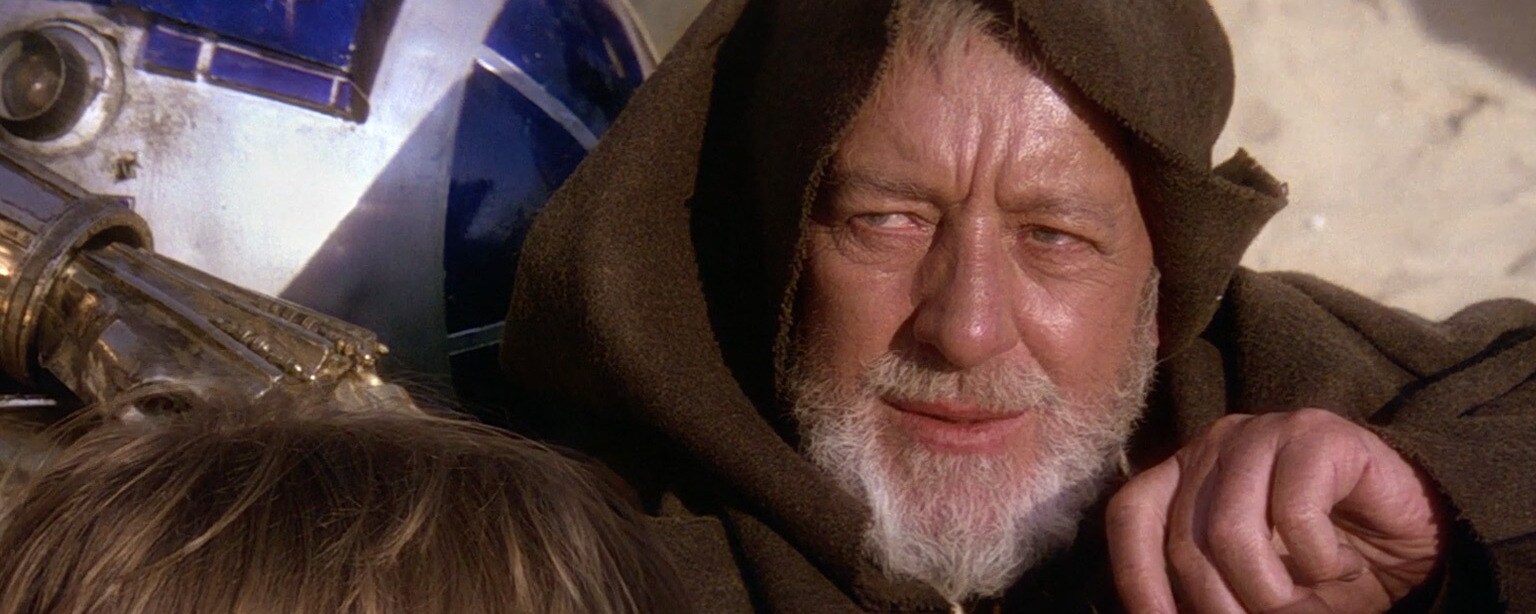
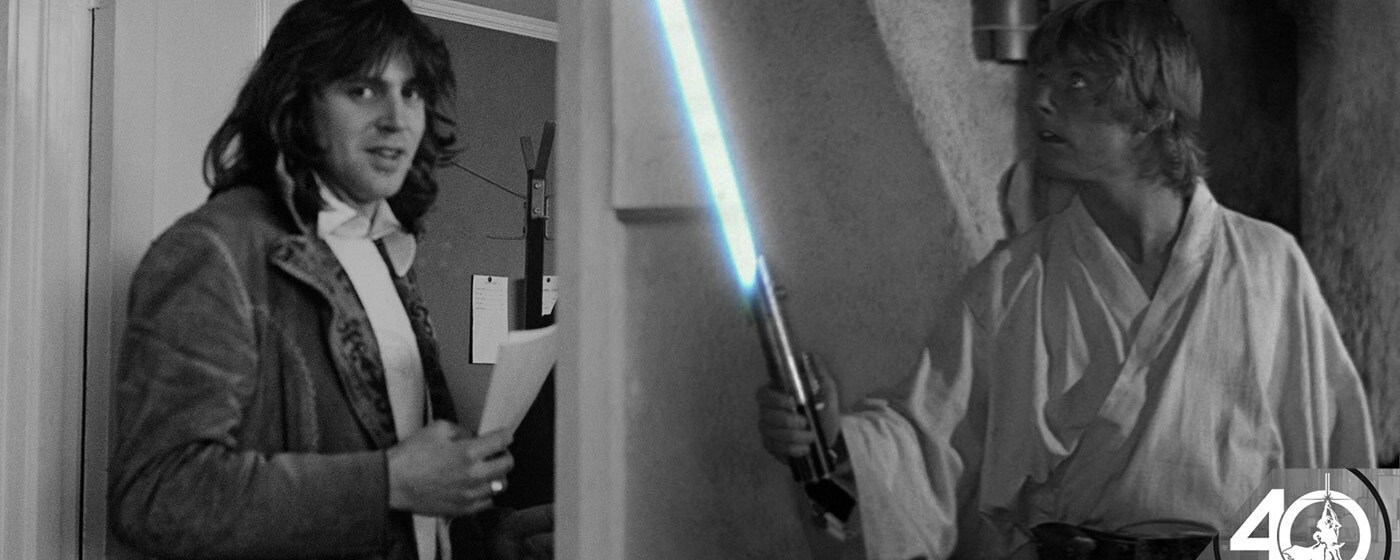
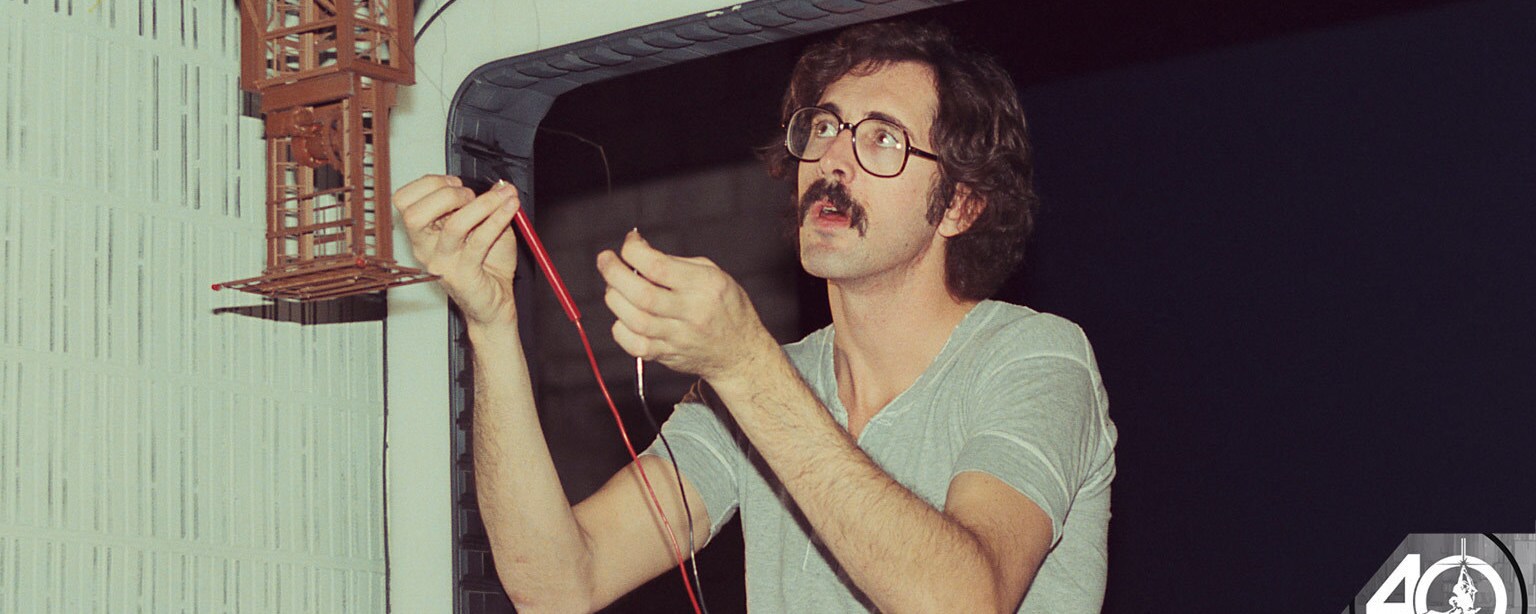
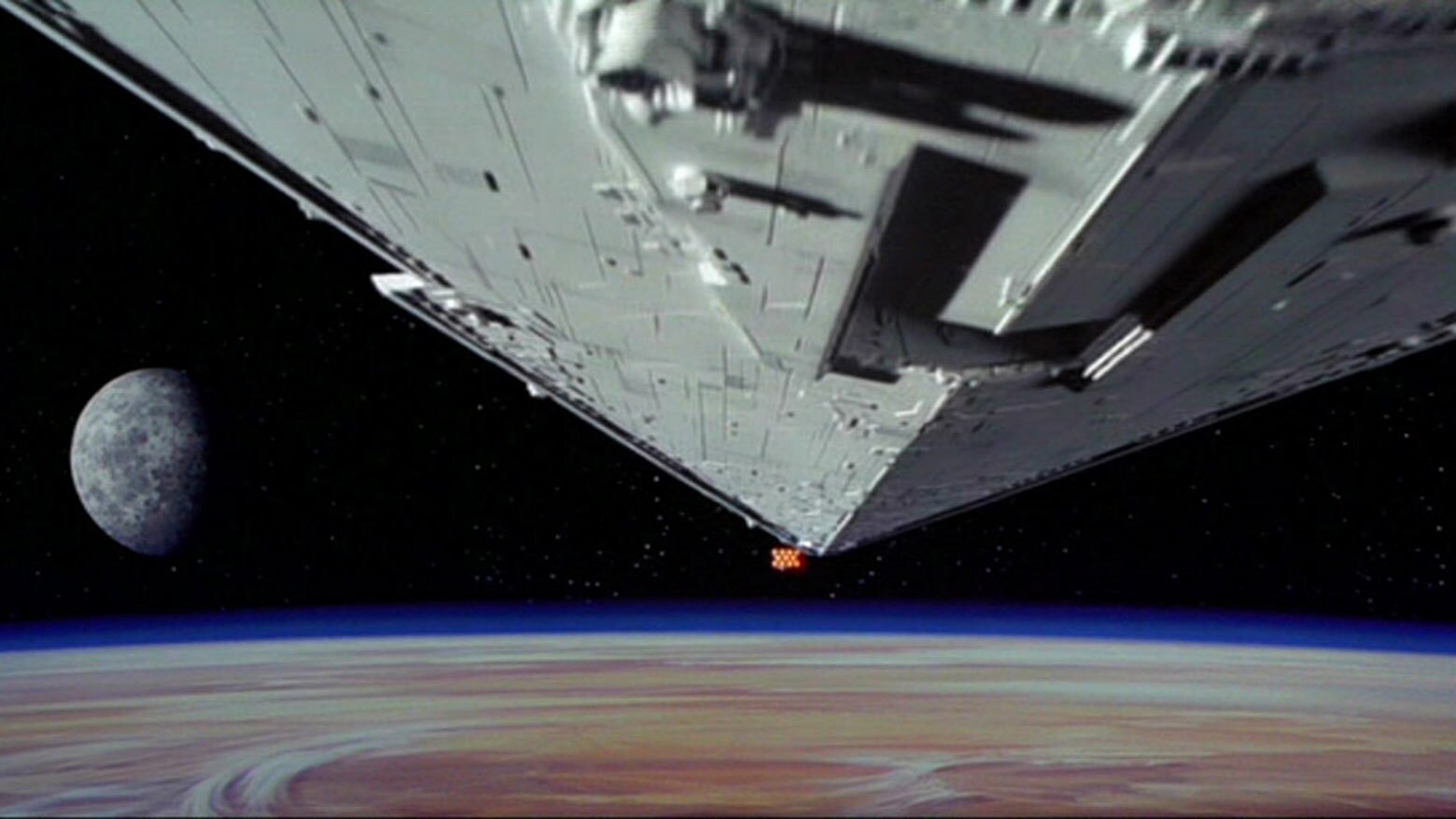
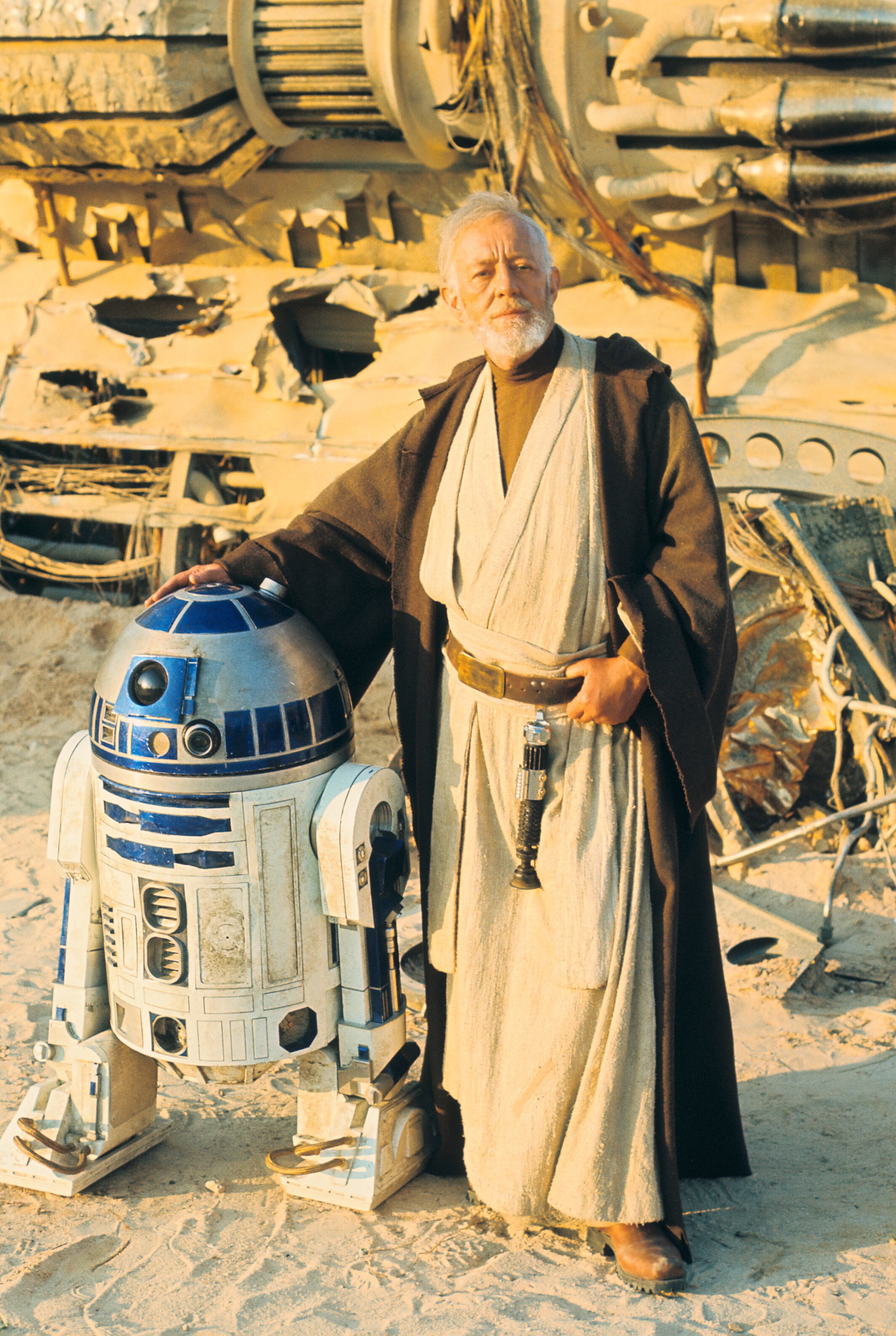
This week sees the release of The Making of Star Wars, a Del Rey Books release commemorating the 30th anniversary of the original Star Wars. Author and Lucas Books editor J.W. Rinzler has unearthed long lost interviews and conducted extensive research to recreate the period when Star Wars was being made. The book includes includes interviews with George Lucas from before the film was even released, as well as a huge wealth of new material from the Lucasfilm archives that has been literally buried for decades. See never-before-published photos and documents, and hear never-before-revealed anecdotes and insights from cast and crew. Get the full picture of the moviemaking process that created the original film, supplemented by brand new interviews as well. To read more about this book, check out a previous interview with Rinzler here.
Reading this book is almost like being present at the opening of a time-capsule! How did you discover the archival material comprising the book, and why was it overlooked for so long?
There was a bit of confusion at Lucasfilm as to whether there was already a making of Star Wars book -- and that led me to ask Steve Sansweet (Lucasfilm's head of fan relations) if he perhaps knew about an aborted book--and he suggested I check the archives for the Lippincott interviews. So one reason we had never done one is that some people thought there was already a book about the film -- and there were many partial ones, and many non-licensed ones. The interviews themselves were dormant because no one knew they existed except a very few people, some of whom no longer worked for the company.
What were your feelings as you realized what you had found?
Joy and relief. I knew it was going to make a great book -- with months of collating and editing and writing . . .
One of the most fascinating aspects of this book is that it's not just the story of Star Wars but a broader story about American moviemaking at a critical moment in its history.
I'm glad you think so. While we always keep the fans in mind -- by trying to show new things and addressing some of the esoterica -- we are essentially a filmmaking company, which Lucas formed from the money he made on American Graffiti, Star Wars, Empire, and the rest of them. So I felt it was important to situate Star Wars in the history of cinema, not as a cultural phenomenon -- that would be another book.
It is surprising to learn that Apocalypse Now was originally George Lucas's idea, and that he had always hoped to make it after American Graffiti.
Yep, that was an early idea of George Lucas's, and many of its ideas were transferred to Star Wars -- essentially the underdogs going up against the mechanized empire, i.e., the United States.
What did you find most surprising in researching and writing the book?
A couple of things leap to mind: 1) I always knew that Fox didn't believe in the film, with the exception of Alan Ladd. But I didn't know just how unhelpful the studio was. Essentially, without the money from Graffiti, Lucas wouldn't have been able to move Star Wars forward in preproduction because Fox wouldn't pay for much if anything. And the studio pulled the plug at a certain point! 2) the saga of front projection. Though it sounds technical, essentially, after a disastrous time in Tunisia, Lucas had a key component of studio shooting literally fall apart in front of his eyes!
It is endlessly fascinating to watch the movie take shape, both in terms of script and artists' renderings, in the pages of the book. Perhaps it's only the seeming inevitability of hindsight, but it really does appear as though the Force was with Lucas as his creative choices converged into the Star Wars we know and love today. For just one example, the character that became Luke Skywalker was called Luke Starkiller earlier in the script.
Unfortunately I think Charles Manson had something to do with that late change--hardly the work of the Force. And I would attribute Lucas's success to very Earth-bound hard work. But also a desire to make an uplifting movie. At a certain point he could have abandoned Star Wars and made Apocalypse Now, but he elected to make the happier film.