
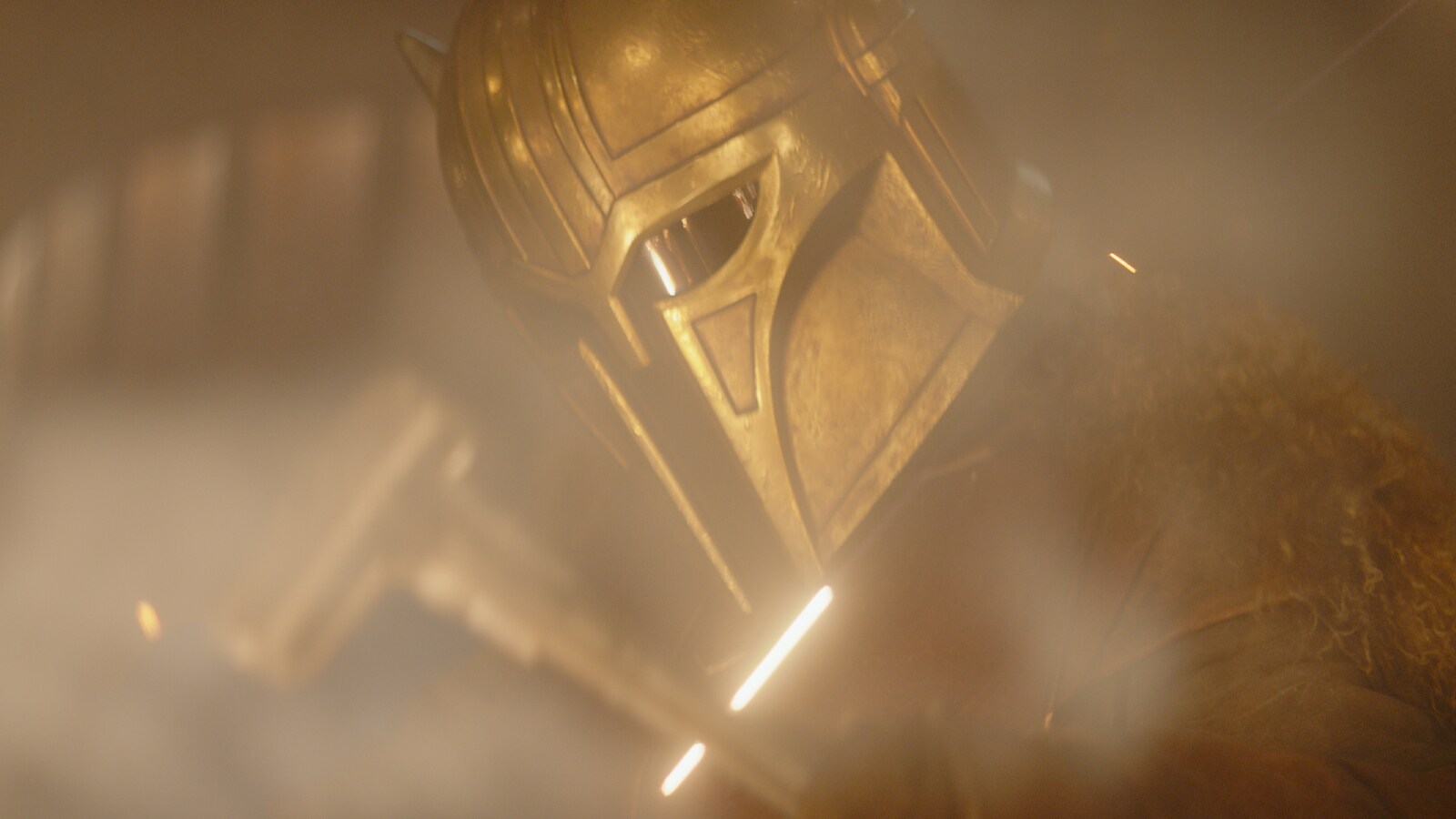
Some could argue (this writer included) that the Mandalorians are maybe the coolest looking group in all of the Star Wars galaxy. You’ve seen their T-visor helmets, their jetpacks, and their shining beskar — but do you know their history? It is one that spans thousands of years and is cloaked in mystery. While we count down the days to Star Wars: The Mandalorian and Grogu in theaters soon, let’s uncover the basics… beginning with the most legendary weapon of them all: the Darksaber.
In the days of the Old Republic, a warrior named Tarre Vizsla became the first Mandalorian accepted into the Jedi Order. At the time, the Mandalorians and the Jedi had long considered themselves to be enemies — the beskar alloy worn as armor by Mandalorians could even protect against lightsabers. But it was Vizsla who created a legendary weapon dubbed the Darksaber, a saber with a beskar hilt and an angular blade capable of clashing with any lightsaber, which would later serve as a symbol of Mandalorian leadership.
Mandalorians hailed from the Mandalore system in the Outer Rim. Their homeworld, also called Mandalore, was once a lush planet, but near-constant battles left it ravaged and barely hospitable. Due to these conditions, Mandalore’s capital city of Sundari existed and prospered under an enormous dome.
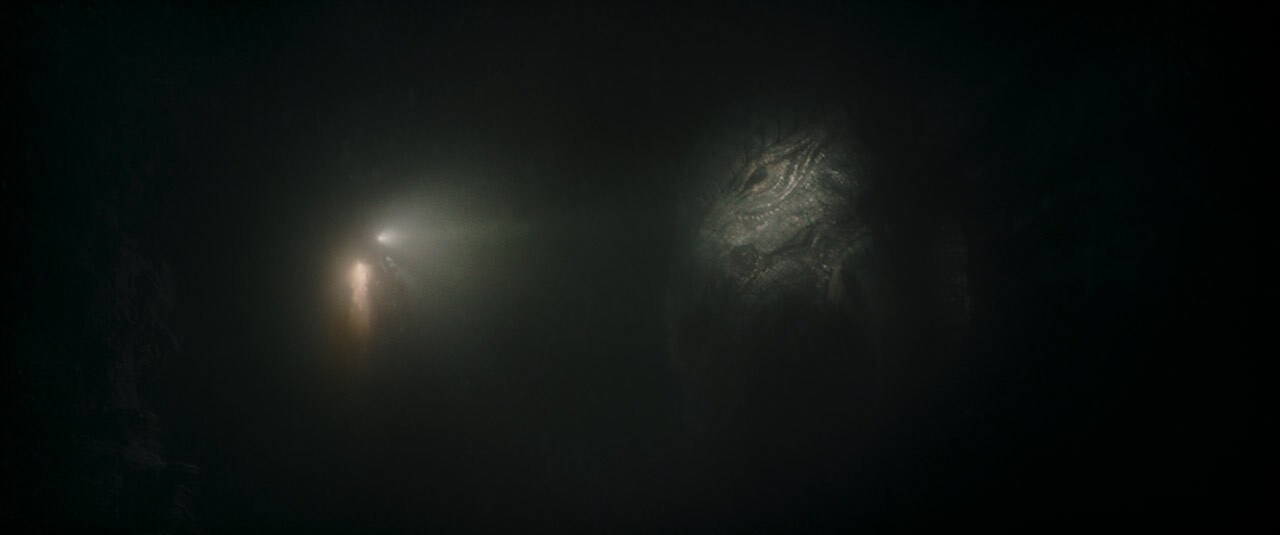
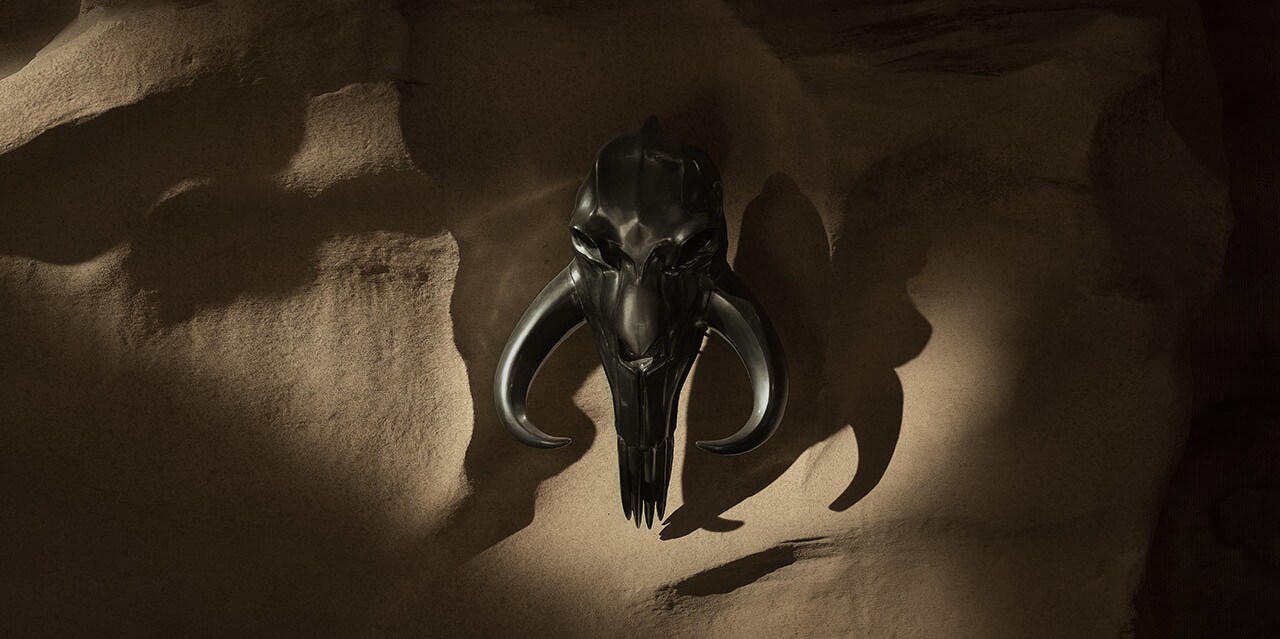
Among the native flora and fauna that trawled the land were creatures that achieved mythic status, including reptilian jai’galaa (or shriek-hawks) and the Mythosaur, an enormous dragon-like beast. As the legend goes, the Mythosaur was a terrifying creature tamed and ridden by one of the first leaders of the Mandalorian people: Mandalore the Great. Mandalore’s exploits were beloved and oft-repeated, even after the Mythosaur seemingly went extinct. For generations, Mandalorian people commemorated this creature with a sigil of respect, displaying its skull as a gleaming wall ornament or as an image emblazoned on armor (like the one seen on the shoulder pauldron of infamous bounty hunter Boba Fett).
After Vizsla’s time with the Jedi ended, the Mandalorians took back the Darksaber. Once recovered, the black blade became the symbol of the leader of all Mandalorians and was used to unify the disparate, war-like people under one banner. For many years, whoever controlled the Darksaber served as the leader of the Mandalorians, until one politician ushered in an era of peace.
The Mandalorians and the Republic
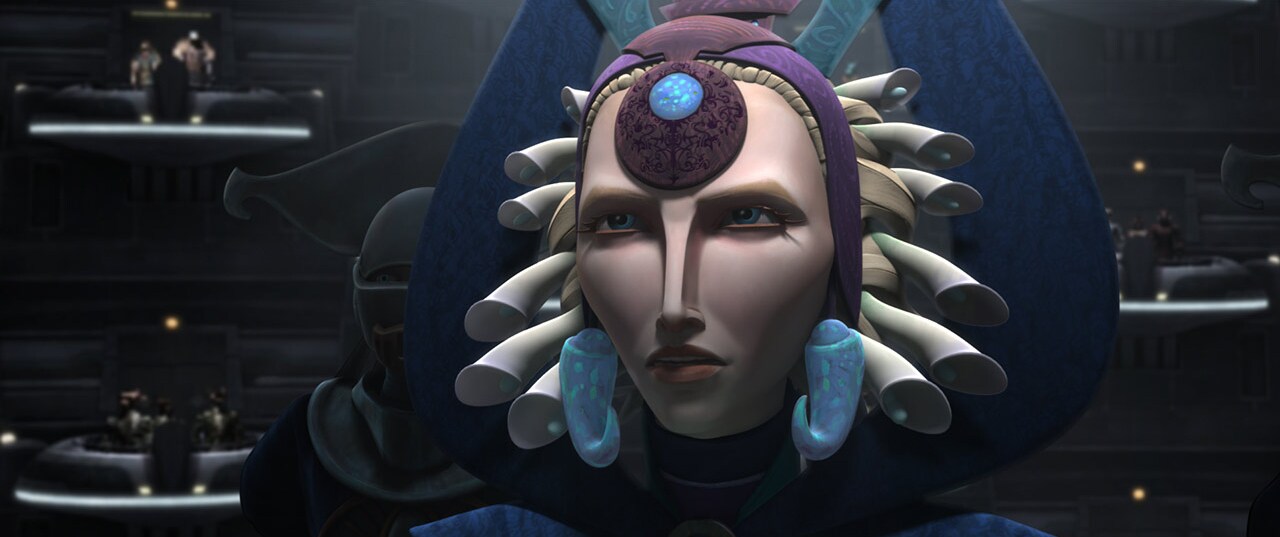
In the age of the Republic, House Kryze of Kalevala attempted to unite the oft-warring people and usher in an era of “New Mandalorians.” But this shift angered some within the Mandalorian ranks, leading to a civil war. Jedi Master Qui-Gon Jinn and his young Padawan Obi-Wan Kenobi journeyed to Mandalore to intervene on behalf of the Jedi Order, and Kenobi and the Duchess Satine Kryze were forced to go on the run. During their time outrunning bounty hunters and other enemies, Kenobi and the Duchess formed an incredibly strong bond, but Kenobi, bound by the rules of his Order, ultimately returned to Coruscant, and Satine was left to rule the planet alone.
In the years that followed, Satine rebuilt Mandalore, exiling those who refused to give up their warrior past to the orbiting moon of Concordia. Under her reign, the Mandalorian people entered an era of peace, a neutral planet not part of the Republic. Then, the Clone Wars began.
“Begun, the Clone Wars have.”
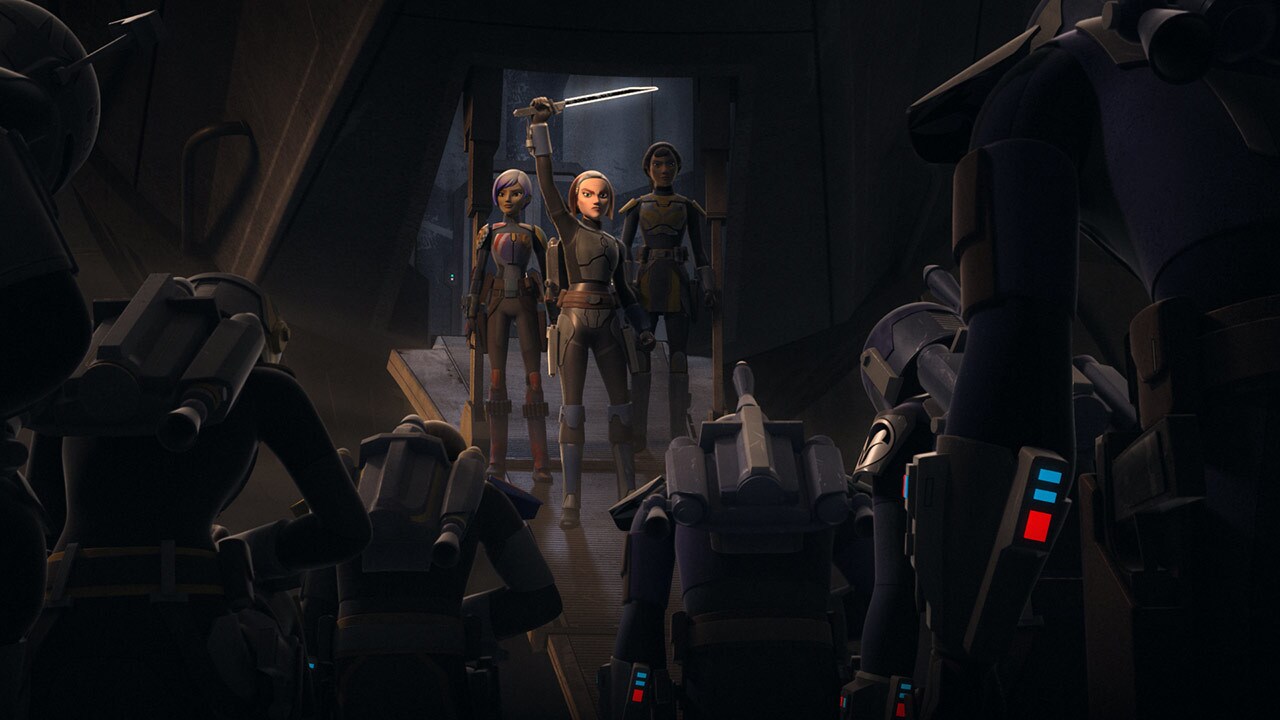
During the Clone Wars, Satine led the Council of Neutral Systems, a coalition of thousands of star systems, and clashed with a hidden group of warriors known as Death Watch. This violent sect of Mandalorians were thought to have died out, but they rose to power in secret. Allied with Satine’s estranged sister, the formidable Nite Owl warrior Bo-Katan Kryze, the Concordian governor Pre Vizsla wielded the Darksaber, uniting Death Watch with Separatist leader Count Dooku in a plot to retake Mandalore.
After an initial defeat and a breaking of their alliance with the Separatists, Death Watch was driven back into hiding, as they attempted to gather strength and allies to their cause. Toward the end of the Clone Wars, Death Watch joined forces with former Sith apprentice Maul and his brother Savage Opress. During their mission, Maul betrayed and killed Vizsla to forcibly take the Darksaber and the throne of Mandalore. He used his newfound status to assassinate Satine Kryze, part of his quest for revenge against Obi-Wan Kenobi.
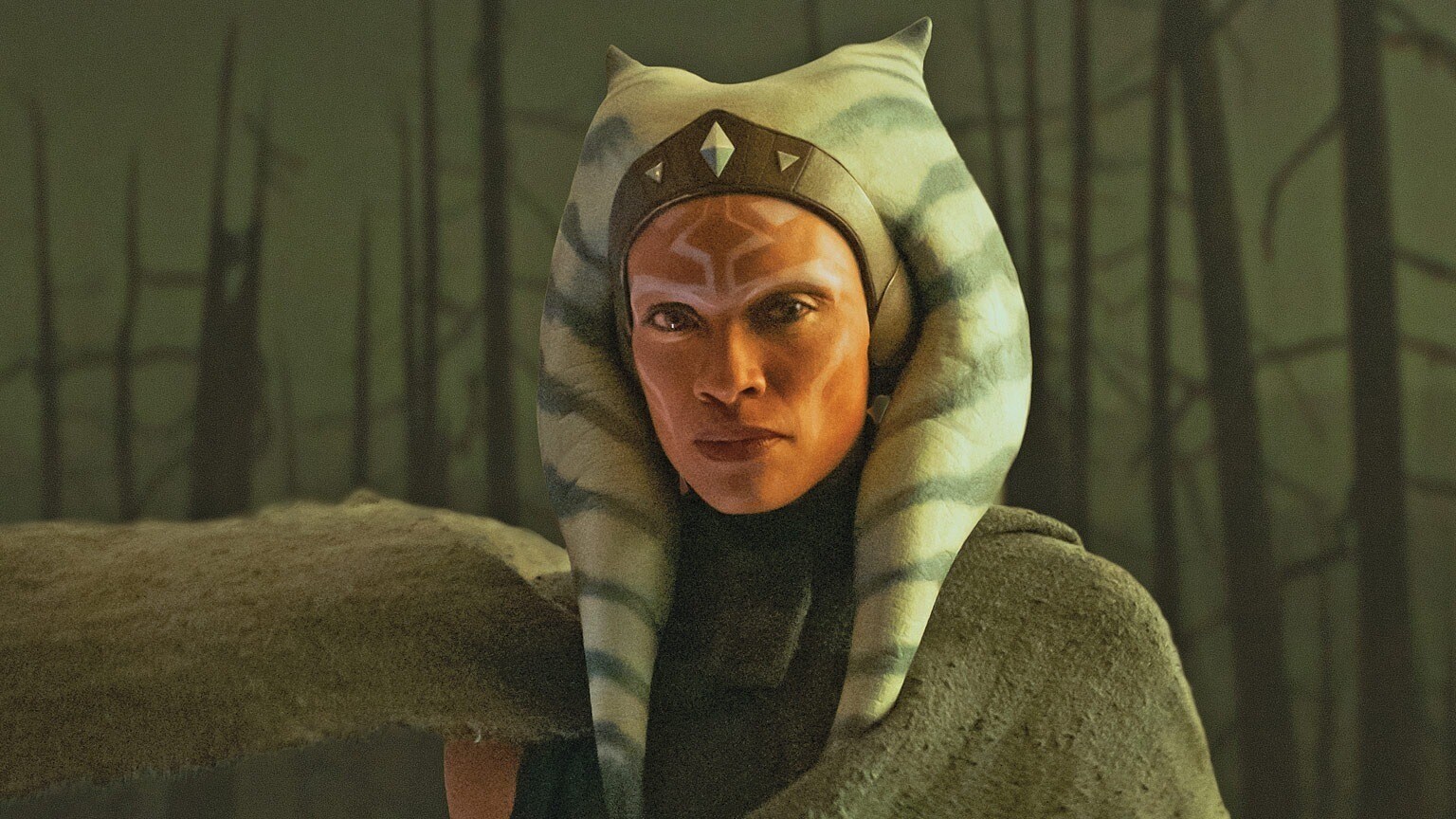
Incensed and grieving, Bo-Katan led an offensive against Maul, joining loyal Death Watch forces with the Clone Battalion 332nd Division, Clone Commander Rex, and former Jedi Ahsoka Tano in the “Siege of Mandalore.” The campaign was successful, Maul was captured, and Bo-Katan was named regent of the planet. Unfortunately, the victory was brief, as the end of the Clone Wars brought about a new Imperial era and one of the most deadly times in Mandalorian history. And for a time, the Darksaber was nowhere to be found.
The Imperial Era
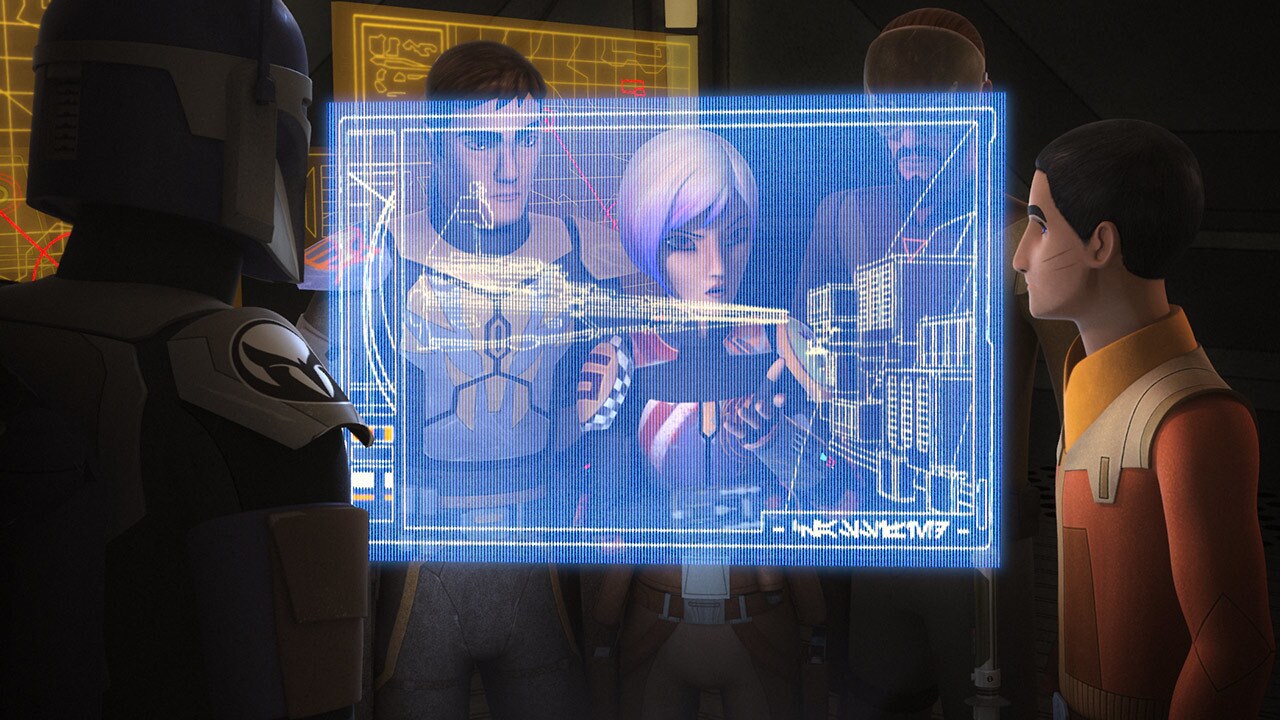
As Emperor Palpatine reshaped the star systems into the Galactic Empire, Bo-Katan was dethroned by Death Watch commander Gar Saxon, now named viceroy and governor. An Imperial Academy was formed on Mandalore and attended by students from all over the system — including the technologically talented cadet Sabine Wren. While at the Academy, Wren helped create a weapon nicknamed “the Duchess,” an arc pulse weapon that could specifically target beskar armor. Disgusted with herself and her design, Wren sabotaged the weapon, quit the Academy, and eventually linked up with a fledgling cell of rebels aboard the Ghost.
During her rebel years, Sabine uncovered the missing Darksaber while on a mission to Dathomir, tucked into a hiding place on Maul’s homeworld after the Siege of Mandalore. Now armed with this ancient blade, the young Mandalorian found herself suddenly thrust into the politics of her fractured people. She returned home to Krownest, her ancestral planet in the Mandalorian sector, and defeated Saxon in combat. Alongside Clan Wren, her rebel allies, and a returning Bo-Katan, Sabine helped lead forces in the third Mandalorian Civil War. A grateful Sabine then gave the Darksaber to Bo-Katan, who retook her place as leader of the Mandalorians once more.
Bo-Katan’s second reign was all too brief. Faced with the burgeoning rebellion, the Empire tightened its grip on the Mandalorian people. Led by the conniving Moff Gideon, the Empire heavily bombed Mandalore in a show of strength. Dubbed the “Night of a Thousand Tears,” Imperial fusion weapons crystallized the surface of the planet, turning its sand into glass and making it uninhabitable. Bo-Katan was forced to surrender both the Darksaber and the planet to the Imperial Warlord, as Moff Gideon ignored the agreed-upon ceasefire and carried out the Mandalorian Purge.
This is the Way.
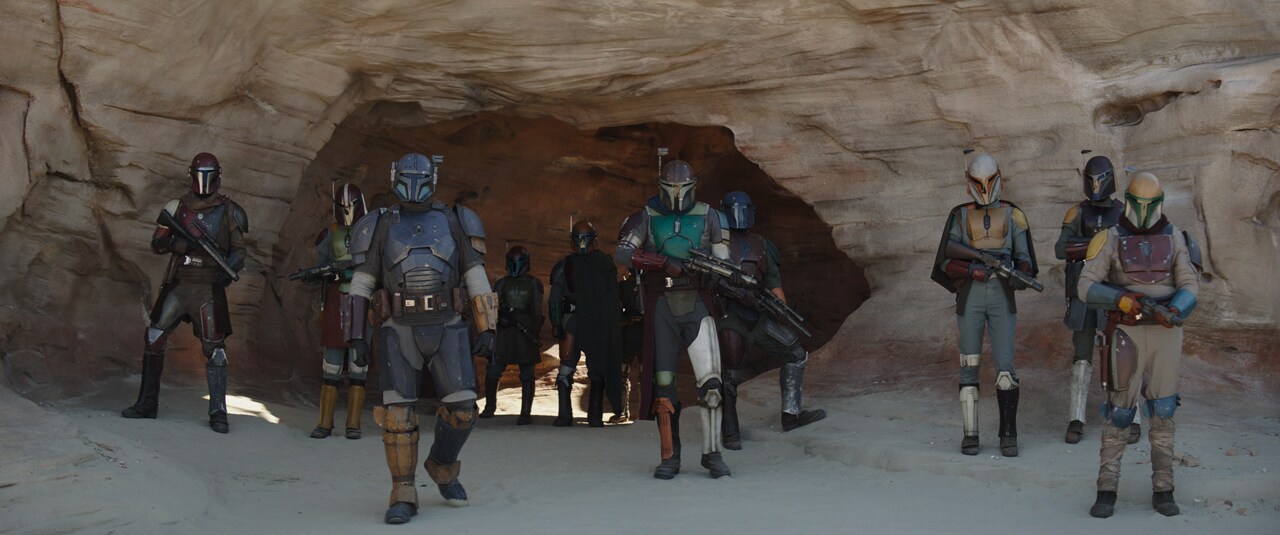
The years passed. The Empire fell. And away from Imperial scrutiny, a rogue clan of Mandalorians, the Children of the Watch, survived on the moon of Concordia. As their people scattered across the galaxy after the Purge, the Children of the Watch — long-viewed as zealots by the rest of their people — tried to find a new home where they could practice their Creed in peace. With traditions adhering to the rules of the ancient Mandalorians and a chant of “This is the Way,” the Children of the Watch required all members to keep their helmets on in the presence of other living things, including fellow clan members.
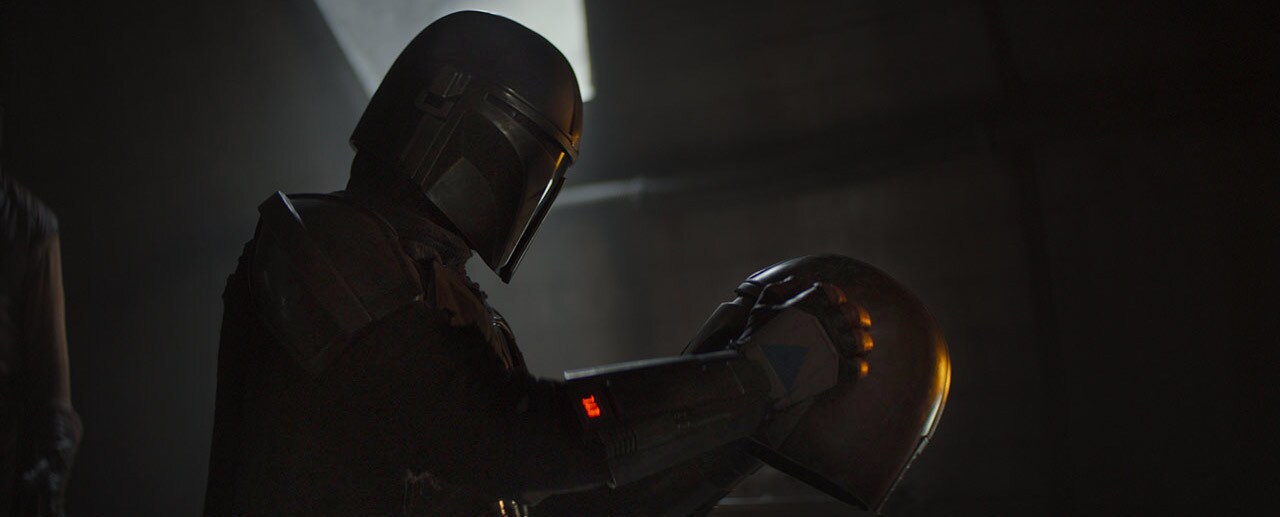
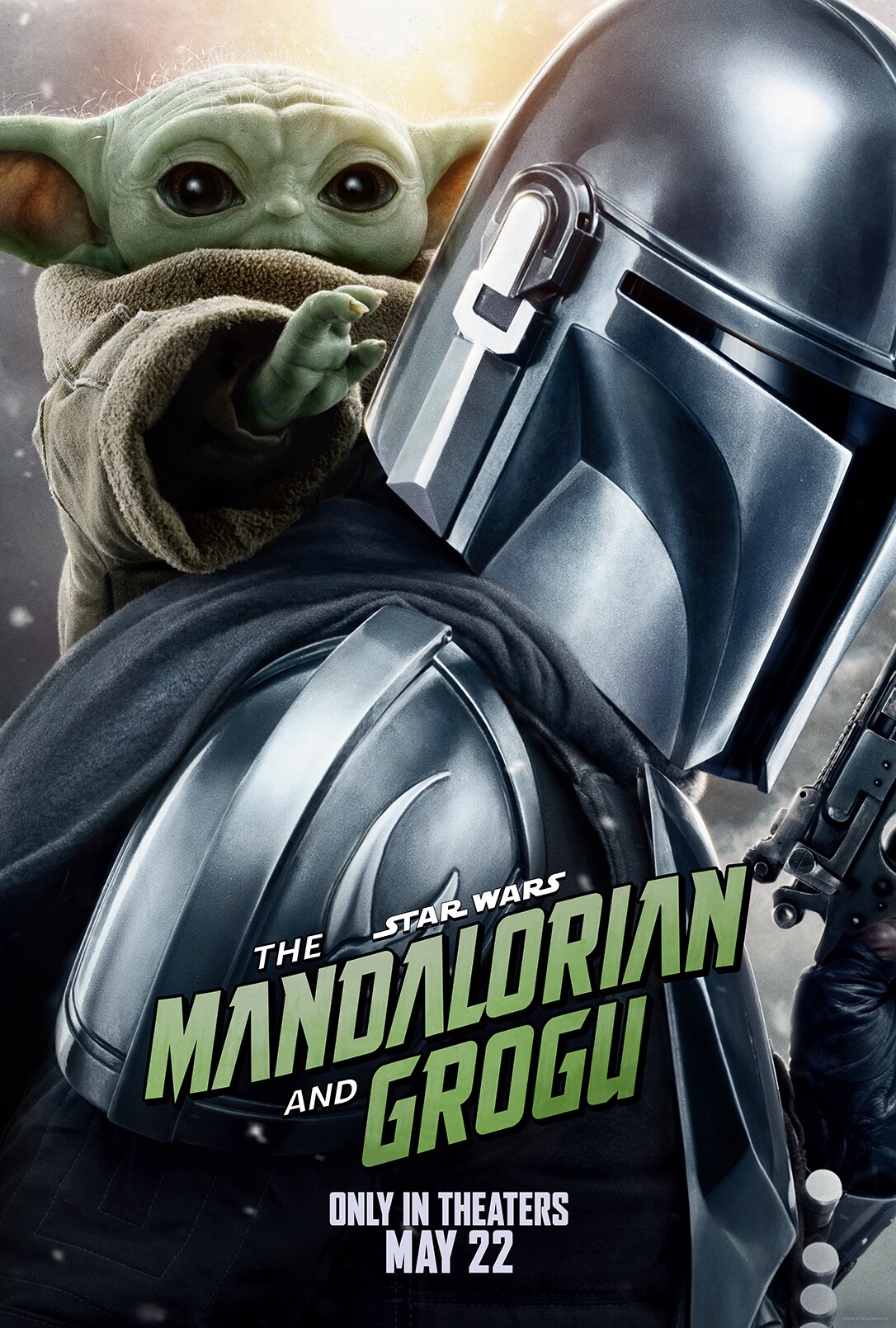
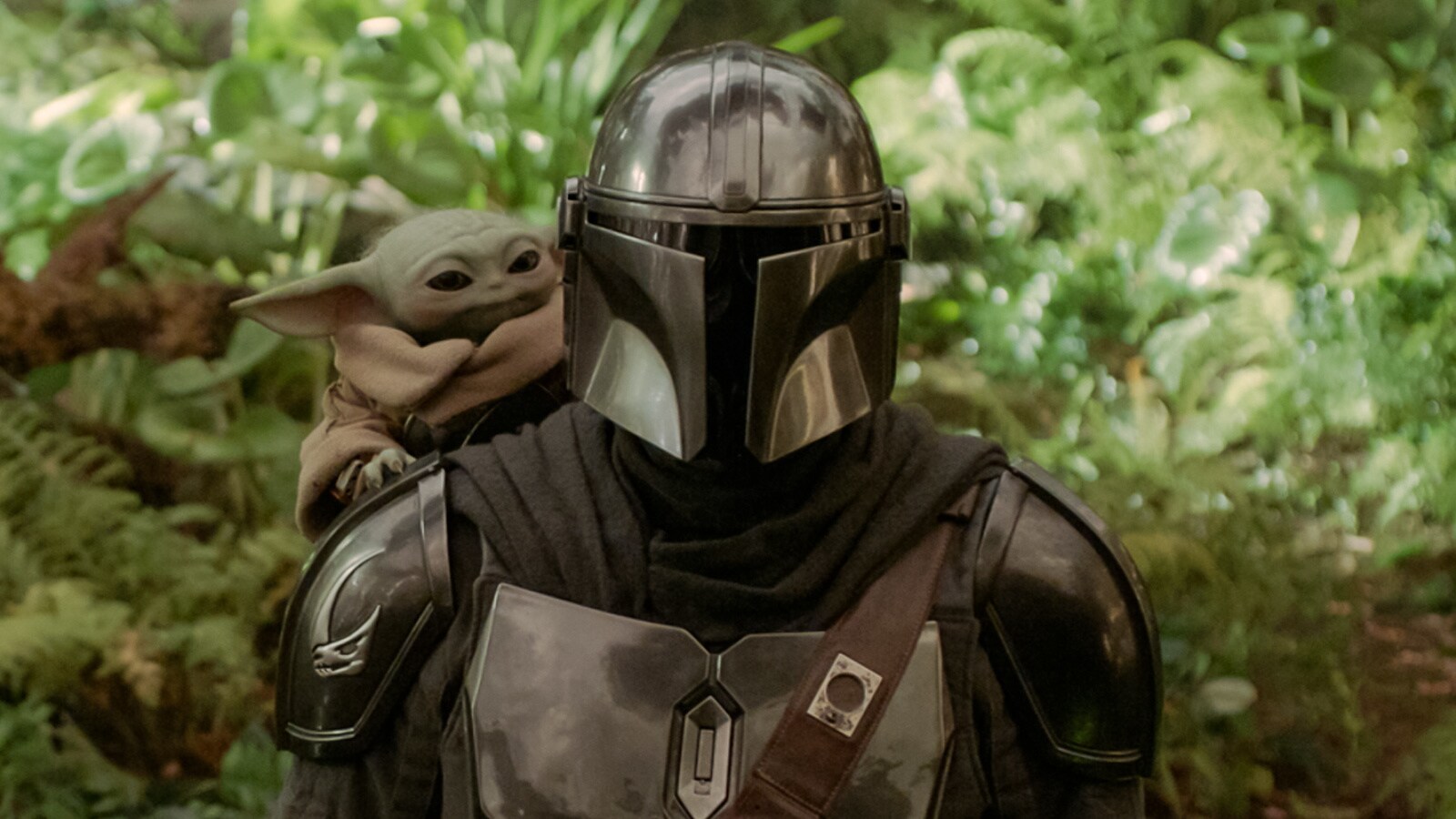
Early in the age of the New Republic, the Children of the Watch secretly dwelled in the sewers of the planet Nevarro. Led by the mysterious Armorer, their ranks grew quietly — including a member named Din Djarin (a former foundling), who traversed the galaxy as a bounty hunter alongside a Force-sensitive child named Grogu.
Din came into conflict with Moff Gideon, who himself was hunting down Grogu and his Force powers. In a duel with Gideon, Din was able to overcome the Imperial Warlord, technically claiming the right to rule Mandalore by winning the Darksaber. But Din removed his helmet after the clash, and to rejoin his clan, he was forced to return to Mandalore to bathe in the Living Waters.
Din and Bo-Katan Kryze journeyed together to Mandalore, the birthplace of their people. In the depths of the Living Waters, Bo-Katan encountered something thought impossible — a real, live Mythosaur. Encouraged by this fateful meeting, Kryze reclaimed her birthright, accepted the Darksaber once more, and reunited Mandalore under its blade. The Armorer relit the planet’s Great Forge, and Mandalorians began a new era on their homeworld. A new chapter — and a fresh start for her people — had finally begun. And Din Djarin and Grogu returned to Nevarro to claim a plot of land as their own.
What’s next for the Mandalorian and Grogu? Get tickets now on sale at Fandango or wherever tickets are sold and get ready for Lucasfilm’s The Mandalorian and Grogu, an all-new Star Wars adventure filmed for IMAX and opening exclusively in theaters May 22, 2026.