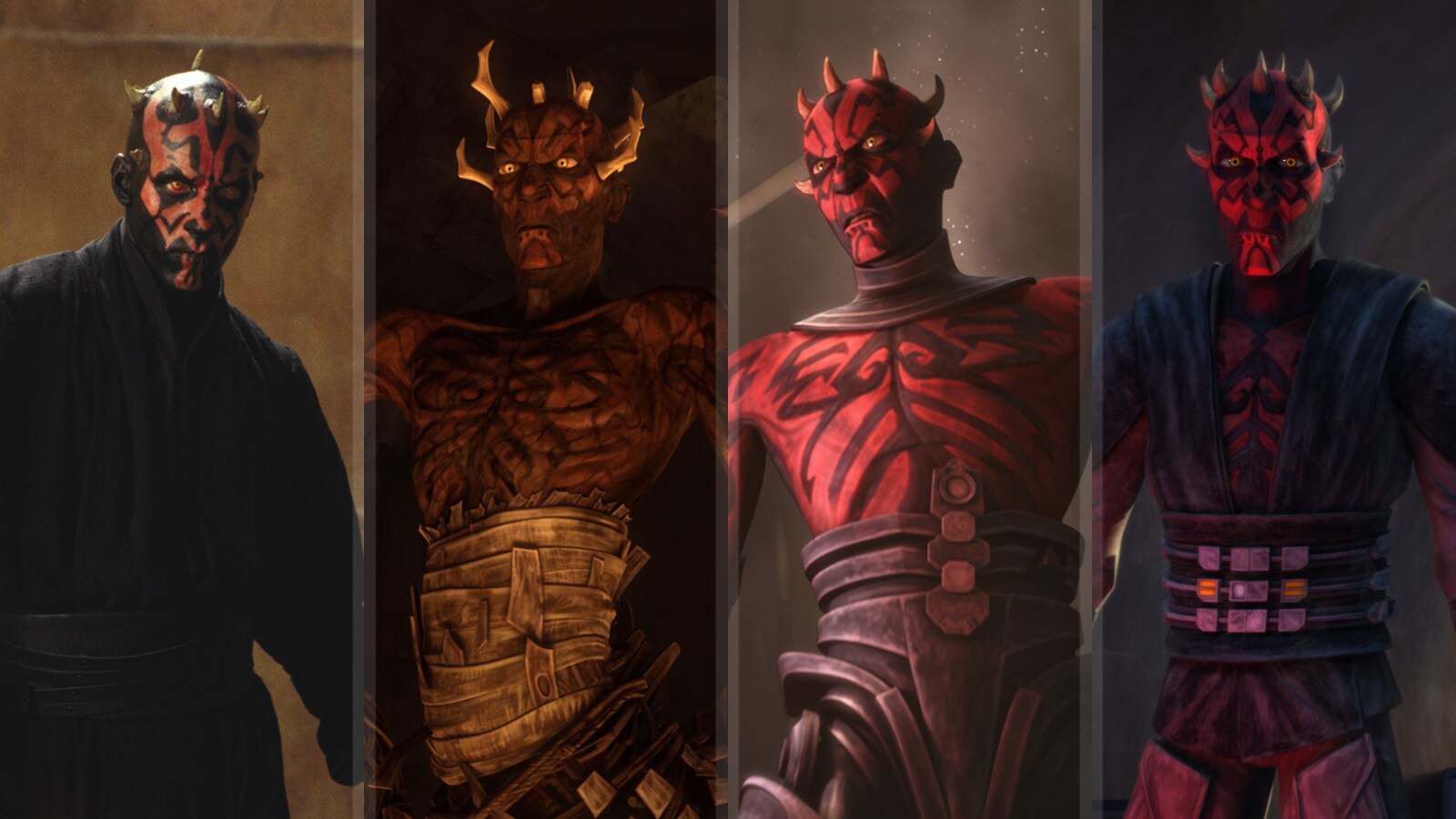

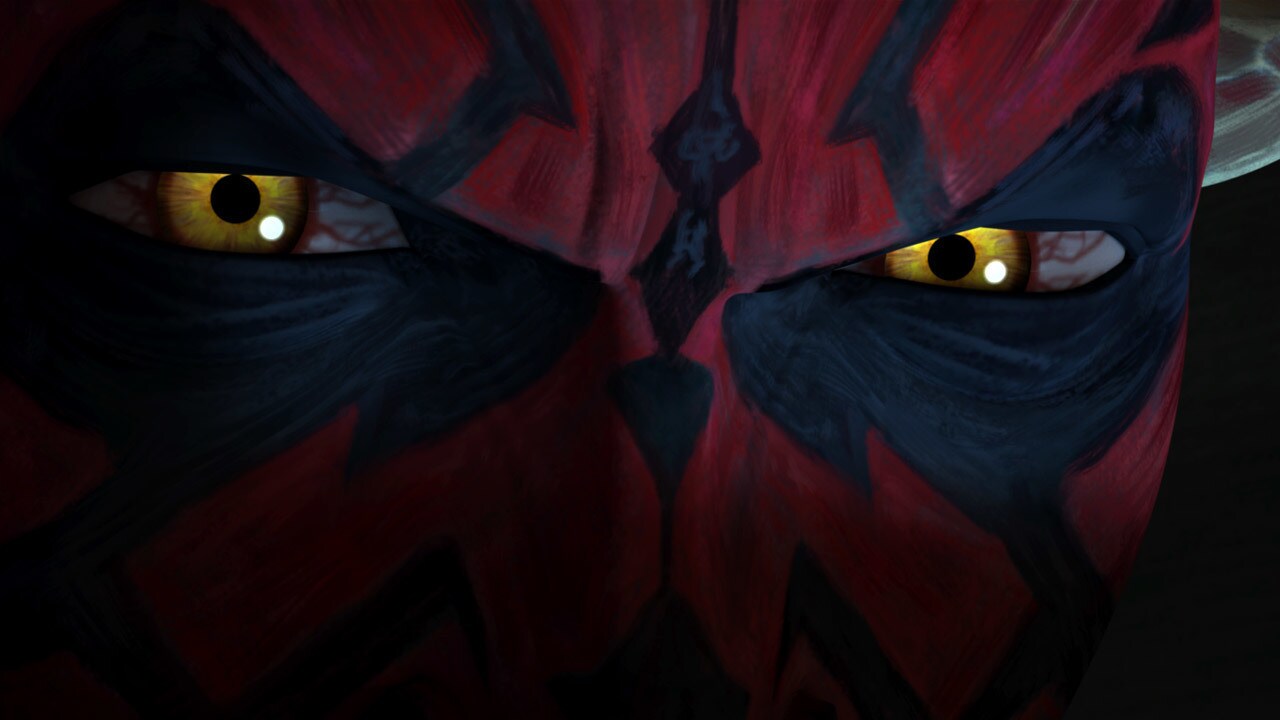

Ever since his iconic debut in Star Wars: The Phantom Menace, Maul has had a way of showing up where he’s least expected.
Midway through the original television run of Star Wars: The Clone Wars, he seemingly came back from the dead to seek revenge against Obi-Wan Kenobi. In the midst of a cast of mostly new characters in Star Wars Rebels, we saw Maul reemerge as a dangerous manipulator. And at the end of a live-action feature about the original trilogy scoundrel Han Solo, Solo: A Star Wars Story, Maul the crime lord made a surprise cameo.
Maul’s prevalence is all the more poignant because, somehow, he manages to remain so enigmatic. With the first trailer tease below signaling his upcoming return in Star Wars: Maul – Shadow Lord, the new animated series on Disney+ later this year, it’s worth taking stock of what we know about the Dathomirian Zabrak so far.
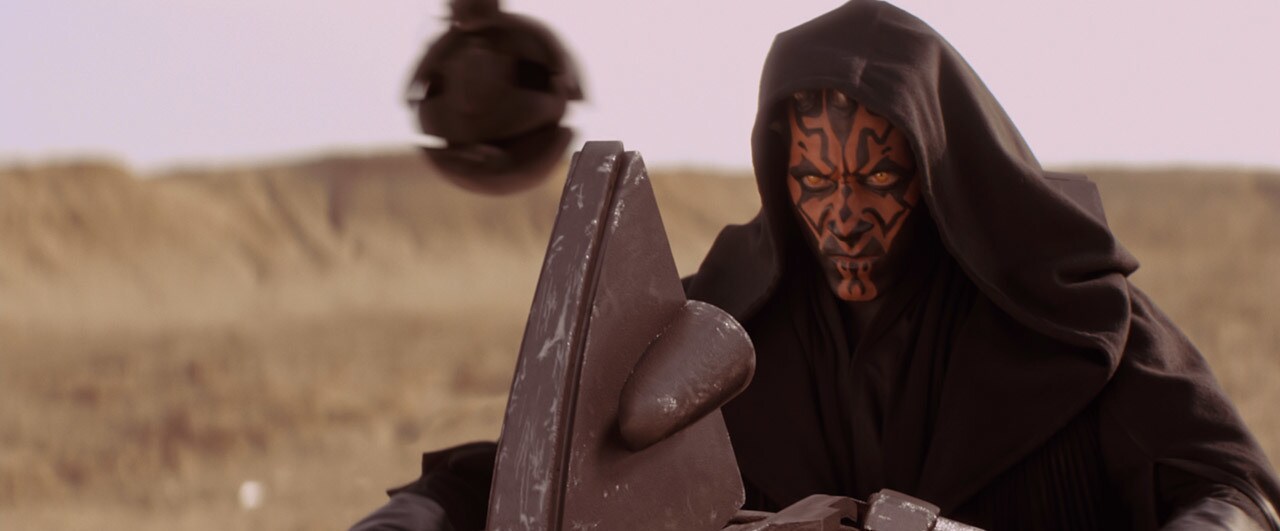
A Menacing Facade
Answering to Darth Maul while serving Sheev Palpatine — a.k.a Darth Sidious — in The Phantom Menace, Maul is a highly-trained Sith warrior. His emergence on Tatooine to attack Qui-Gon Jinn and young Anakin Skywalker foreshadows significant change in the galaxy. Obi-Wan Kenobi’s question following the brief duel — “What was it?” — just about sums it up.
Maul is a character of more action than words in Episode I. Sidious uses him as little more than a weapon, and Maul appears to relish his tasks. He kills Qui-Gon, forever changing the future of Anakin Skywalker’s life. But Maul is also the first in a line of Sith apprentices to learn of his own expendability. Moments after he kills Qui-Gon, he is struck down by Obi-Wan Kenobi. Maul appears shocked and a little confused when Kenobi swiftly cuts him in half at the waist, leaving him for dead.
From the audience’s perspective watching The Phantom Menace back in 1999, Maul represented the brash new energy of the prequel trilogy, full of acrobatics and double-bladed lightsabers. His quick demise served to emphasize the fact that Episodes I, II, and III would yield drastic consequences for everyone involved.
He’s Full of Surprises
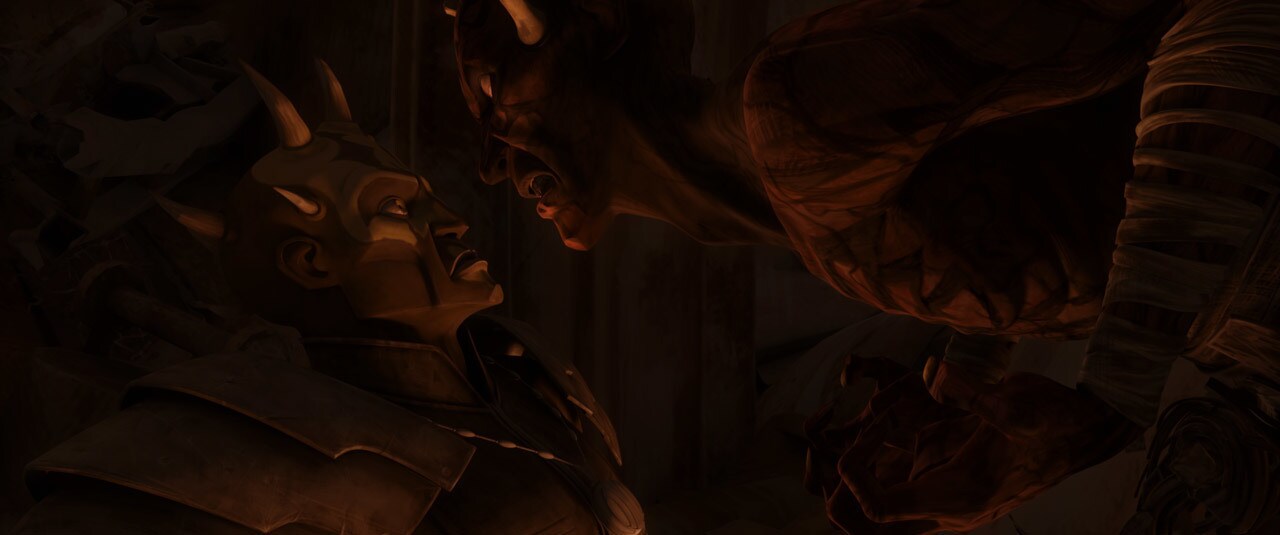
Although those of us watching the original run of The Clone Wars expected plenty of surprises from executive producer George Lucas, few of us could have anticipated that he would bring Maul back from the dead. But he wasn’t dead, of course. The dark side can be quite powerful, especially when fueled by pain, hatred, and rage. Maul had survived his injuries on Naboo, his power in the Force pulling together a grotesque new set of legs akin to a massive spider’s.
Fellow Dathomirian Savage Opress discovered his forgotten brother in a wretched state on a distant planet, raving, delirious, and hardly aware of his own identity. But Maul was quickly rejuvenated with help from the magick of Mother Talzin, leader of the Nightsisters on Dathomir. His focus regained, along with a new pair of mechanical legs, Maul devoted himself to one simple goal: revenge. But it wasn’t the idealistic revenge of Sith versus Jedi, but rather an obsession with Obi-Wan Kenobi.
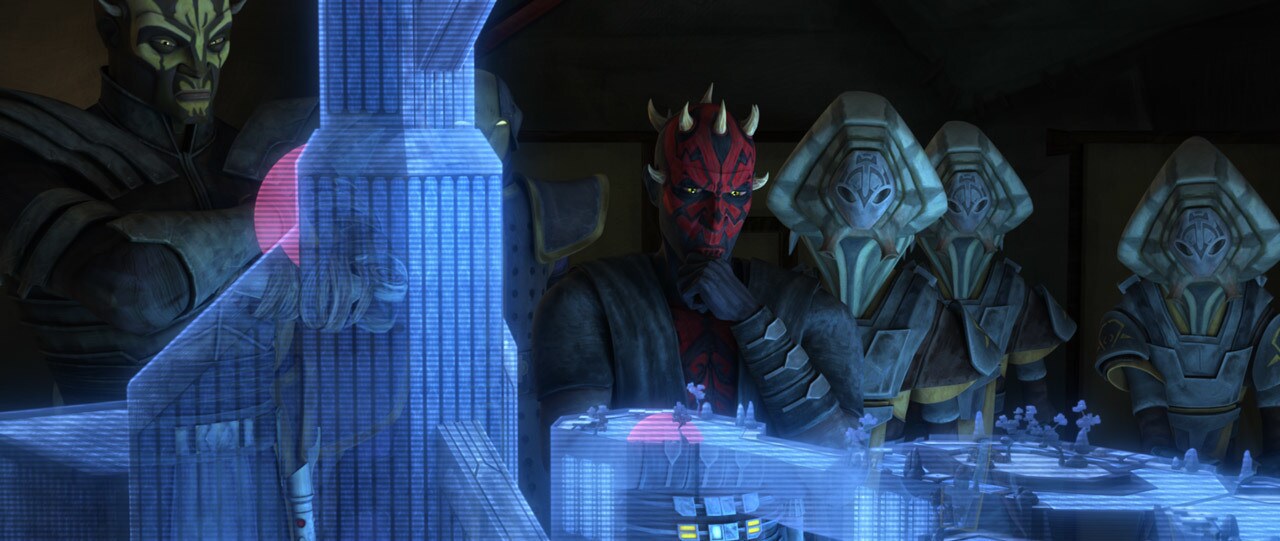
In pursuit of his enemy, Maul causes plenty of damage and even becomes one of the galaxy’s leading crime lords. He orchestrates an alliance between rival syndicates known as the Shadow Collective and manages to take control of the planet Mandalore, igniting a civil war that engulfs the planet. Repeatedly, Maul finds ways to goad Kenobi into confrontations, including murdering the Duchess Satine Kryze, with whom Kenobi bore a strong attachment. It was Maul’s intent not simply to kill the Jedi, but to force him to endure agony that felt akin to his own.
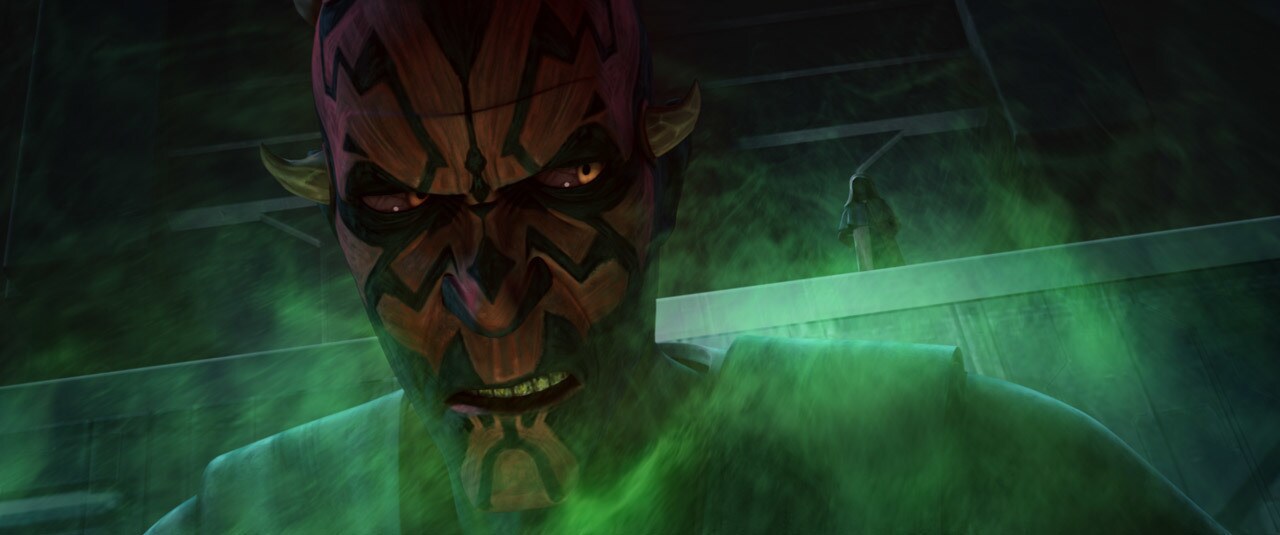
Maul has little time to revel, however, as Darth Sidious arrives to subdue his former apprentice, which he does with relative ease. Sidious becomes a new target for Maul, in addition to Kenobi, expanding his burning desire for revenge. In a prescient move, it’s Maul who understands before many others that Anakin Skywalker is key to Sidious’s plans. But an attempt to bait Skywalker and thus thwart the Sith plan fails when Ahsoka Tano arrives instead, and Maul is taken prisoner. In an ever twisting and turning series of events, Maul is soon set free by Tano during Order 66, while they temporarily share a common enemy, and Maul escapes into the far reaches of the galaxy amid the chaos.
With the rise of the Empire, Maul is no less an outcast than the handful of surviving Jedi. He continues to work his influence over the galaxy’s underworld, leading the syndicate Crimson Dawn. It’s during this period that we have a brief glimpse of Maul speaking with his operative Qi’ra in Solo. But the era will be further explored with Star Wars: Maul — Shadow Lord taking place in the early days of the Empire.

An Especially Dark Time
Spoiler warning: The rest of this article discusses plot points and details from Star Wars Rebels, including Maul’s fate.
Because events in Star Wars often play out on screen released out of chronological order, we know how Maul’s story will ultimately end.
Maul arrives in Star Wars Rebels when the budding Jedi Ezra Bridger encounters him on the Sith world of Malachor. He’d apparently been there for some time and fostered machinations of harnessing power deep within the planet to enact revenge against the Sith. Maul quickly manipulates the young Bridger, earning his trust, and then losing it as soon as he’d gotten what he needed: a Sith holocron. It’s Maul who permanently blinds Kanan Jarrus before making his escape from Malachor.
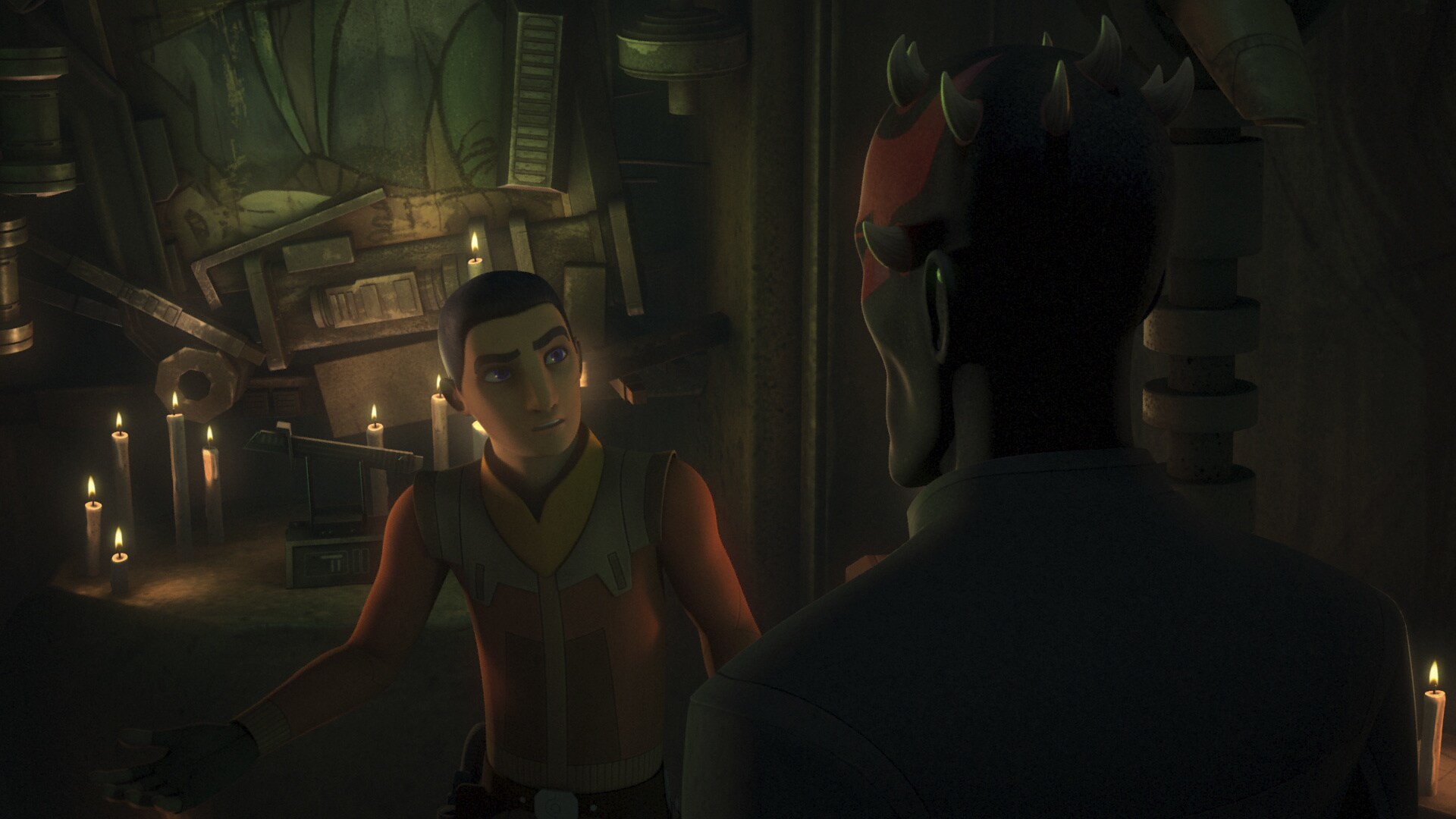
But the connection between Maul and Ezra Bridger was far from over, as the Zabrak soon convinced the young man to help him fuse the Sith holocron with a Jedi counterpart, revealing visions of a planet with Twin Suns and the possible location of Obi-Wan Kenobi. On Dathomir, Maul ultimately offers Bridger an apprenticeship, but the Jedi-in-training refuses. Venturing to Tatooine in search of Kenobi, Maul lures Bridger out one last time, helping to pinpoint Kenobi’s position.
When the old adversaries at last reunite for a final duel, it’s over quickly. Maul is defeated when he tries to use the same move on Kenobi that he’d used on Qui-Gon Jinn years before. But the Jedi Master had learned from the past, whereas it seemed Maul could only live within it. In his final moments, as Kenobi cradles his enemy, Maul claims that the “new hope” whom Kenobi is watching over on Tatooine will avenge all of them.
It all seems to come back to revenge, which proves Maul’s undoing. He appears to be a pitiless victim of a vicious cycle, yet also one who seems to find an unusual form of peace and acceptance in his final breaths. Maul is a friend to no one, an enemy to all who obstruct his plans, and an enigma with an allegiance only to his own desires.
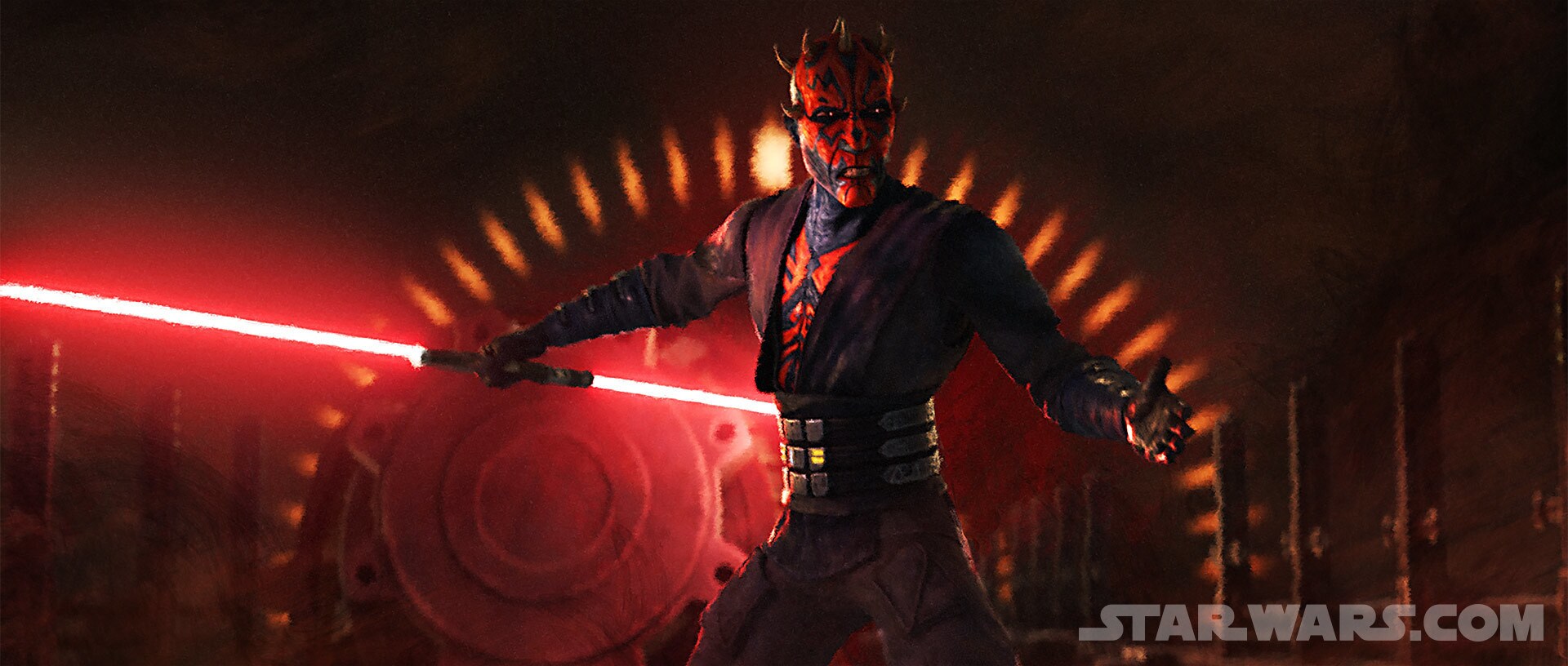
Now Maul will receive his own dedicated treatment in Lucasfilm Animation’s Shadow Lord, set in the early years of the reign of the Empire. Like other Star Wars stories, including Andor and the prequel trilogy, we have a sense of where things are going, but it’s the question of how we get there that makes it such an enticing tale.