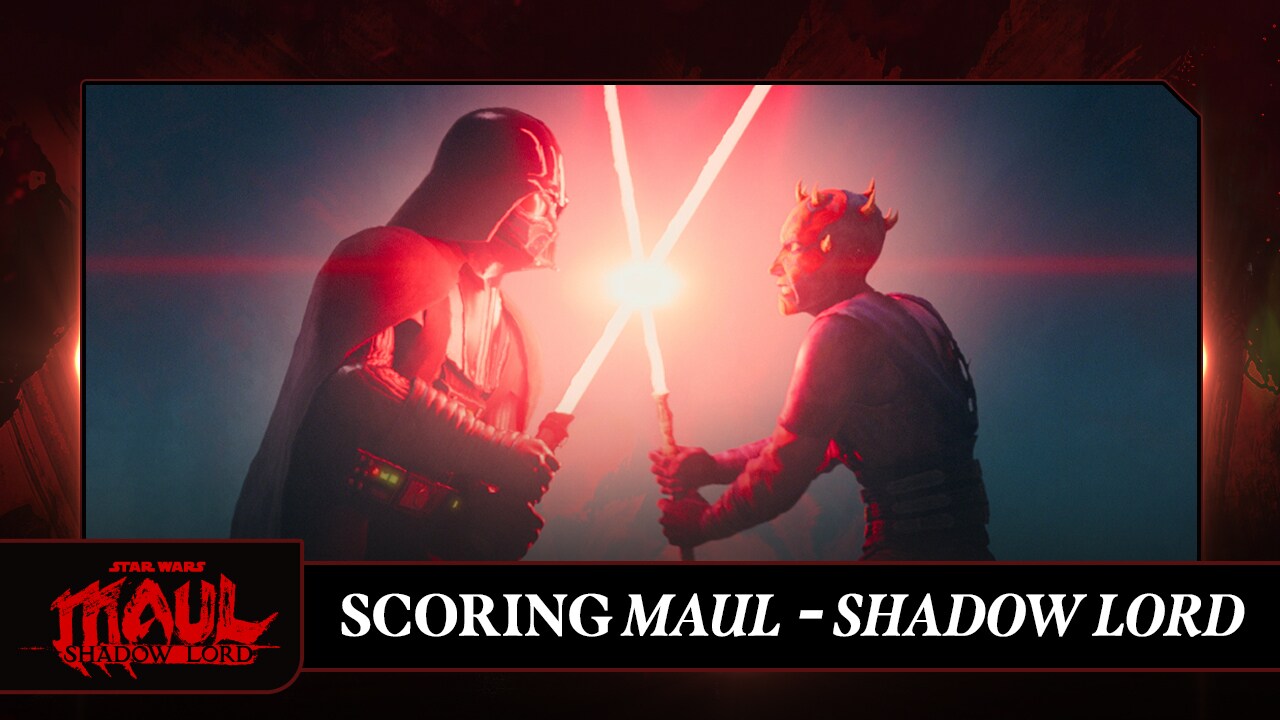

StarWars.com talks with the Kiner family about scoring Maul, Devon, and Lawson in the latest animated series, with all episodes now on Disney+.
The Kiner family has been composing for some of your favorite moments in Star Wars animation since the dawn of the Clone Wars.
Kevin Kiner started scoring Star Wars animation almost two decades ago with the feature film Star Wars: The Clone Wars in 2008. His children, Sean and Deana Kiner, began working with their father in 2014 on Star Wars Rebels and have continued with Star Wars: The Bad Batch and the live-action series Ahsoka. When the trio were approached to work on Star Wars: Maul – Shadow Lord, they knew from the beginning the series was going to be a bit darker than their previous efforts.
Head Writer Matt Michnovetz wrote many of Maul – Shadow Lord’s episodes while listening to metal music from bands like Iron Maiden, Queensrÿche, Tool, and Ratt, an influence Michnovetz and Supervising Director Brad Rau suggested to the Kiners as a good jumping-off point. “They wanted to push it in a new direction,” Deana tells StarWars.com. “They described Maul – Shadow Lord as a Star Wars version of heavy metal.”
“At first I got out all my guitars and started thrashing things around,” remembers Kevin, “and totally failed.” In the end, the Kiners leaned on a variety of distorted sounds in the score to help bring Maul’s tortured life to the screen.
“I think what we distilled was that Maul feels like he’s constantly tearing things,” says Deana. “He’s tearing with anger. His screams are very visceral, back of the throat. They feel like soul ripping. And I think that’s how we finally found what feels like Maul.”
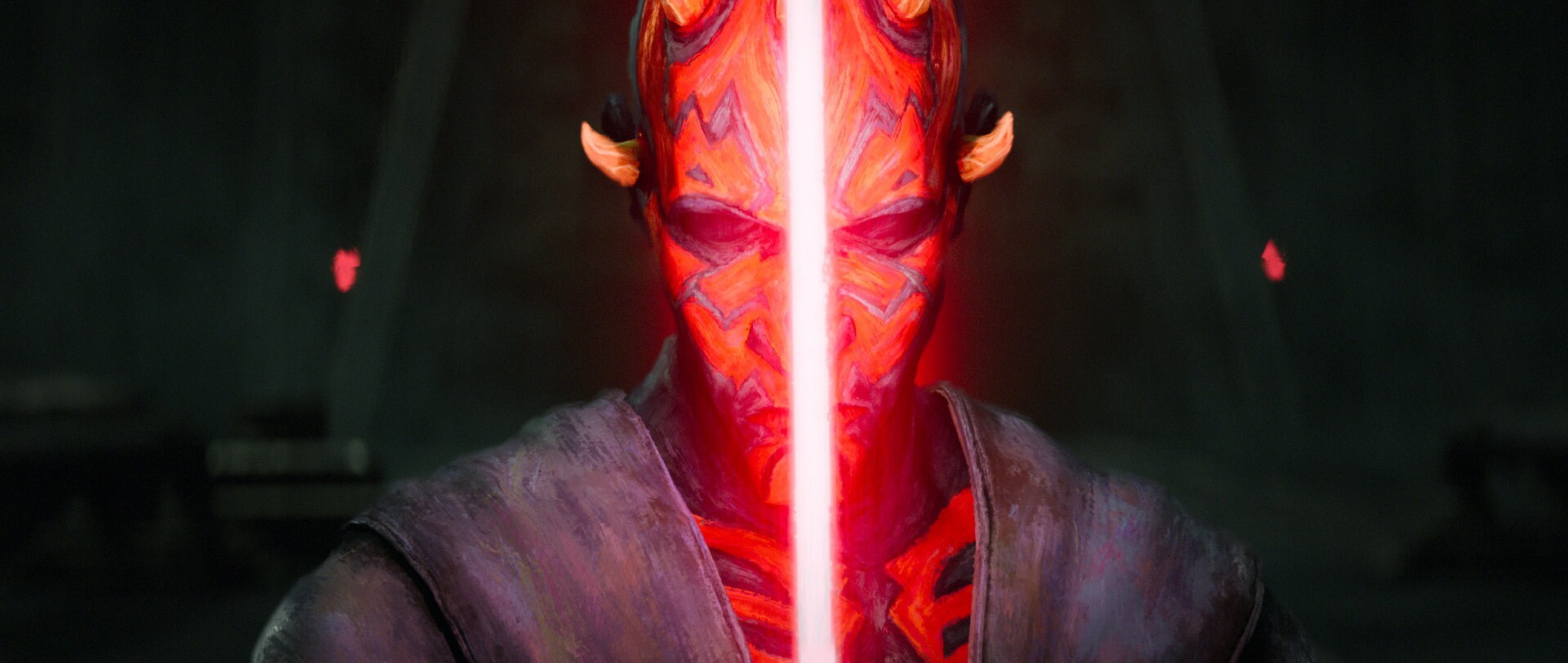
Distorted synths were used throughout the series score, especially beneath the title card and end credits for each episode. “Sometimes it’s as simple as taking a synthesizer and running it through some guitar pedals or guitar amps,” says Sean, “distorting it that way.”
The team had around 100 different distortion tools they could choose from at different times, including both physical pedals and digital recreations of physical pedals.
“Star Wars music is really hard. It’s extremely dense,” notes Kevin. “That’s owing to the master who set this all up, John Williams.”
Sean adds that Williams’ original Star Wars film scores were not just dense in terms of orchestration, but dense in terms of themes. “He’s going through musical ideas and shifts constantly. In other styles you have one musical thought and you can stretch that out for a pretty long time. Here, you have to be coming up with something new and something good and interesting pretty fast.”
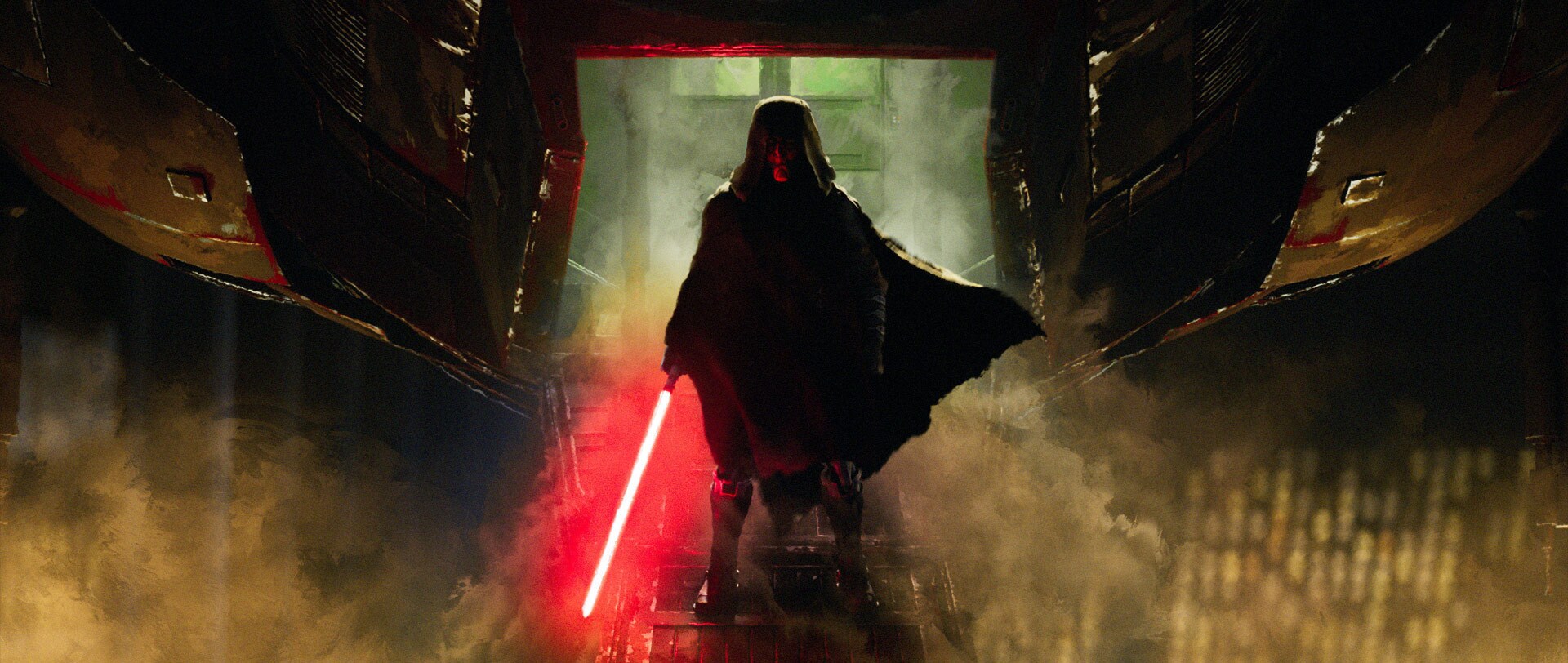
Just a few minutes into the series’ first episode, Maul walks down the ramp of his ship and ignites his lightsaber. It’s an epic moment the Kiners spent a lot of time making sure they got right. “We were going back and forth,” Deana says. “Do we stay true to his animated side, what we’ve been doing since Rebels, The Clone Wars? [Executive Producer Athena Portillo] gave us the direction to try going with The Phantom Menace and see how that plays. And as soon as we did that, it was [like], ‘Of course!’.”
Kevin adds that the music during Maul’s filmentrance helped set the tone for the series and how fans were in for something new, as the “Duel of the Fates” choir transitions into more distorted sounds. “The music is kind of saying this is the Maul you know, and now this is the Maul that this show is about.”
Master and Apprentice
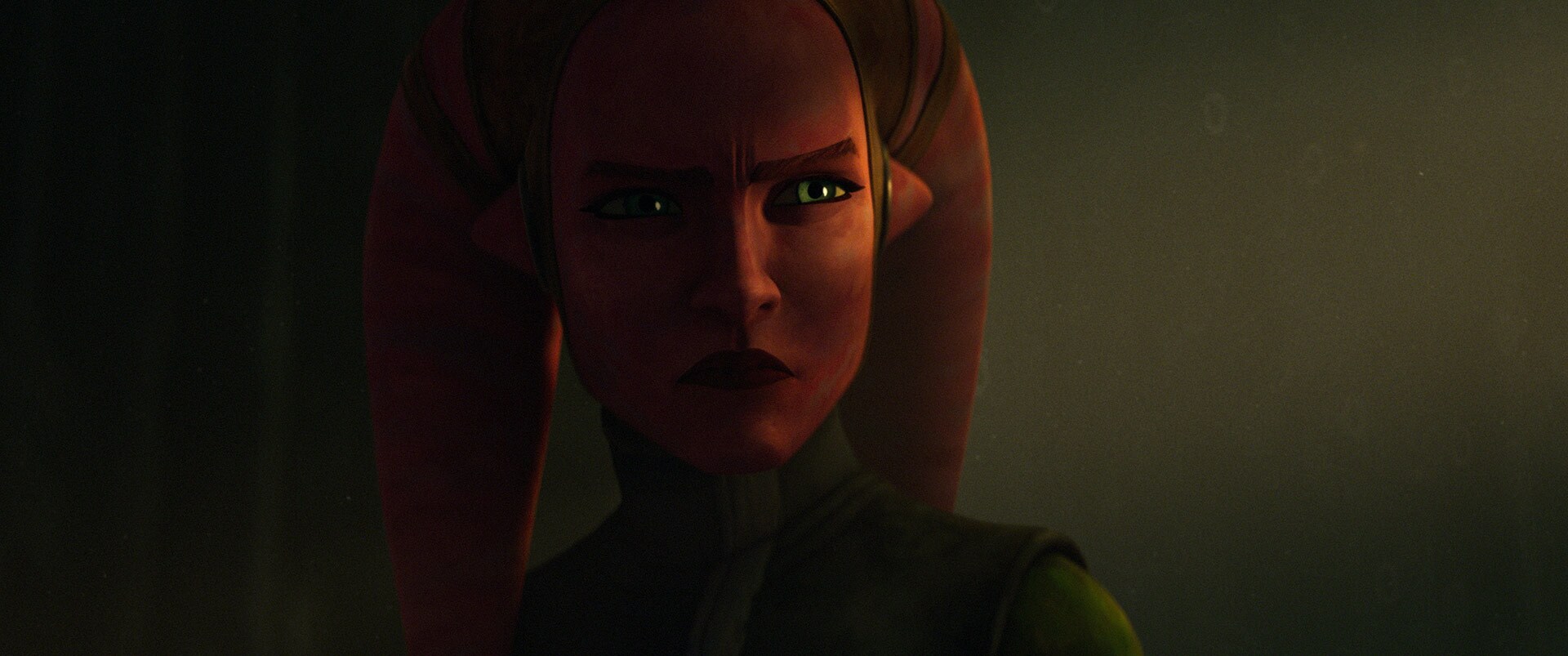
Much of the Kiners’ early work on Maul – Shadow Lord revolved around re-introducing a classic Star Wars villain and creating a memorable theme for a new character, Jedi Padawan Devon Izara, that honored her complex story arc.
In Maul –Shadow Lord’s first season, Devon goes from a Jedi Padawan in hiding with her Master, to an apprentice of Maul.
“We fell in love with Devon as a character,” remembers Sean, “and we knew that she needed a theme of her own. While we talked about what her journey was going to be we realized we needed it to be really versatile because it was going to take her to some pretty dark places.”
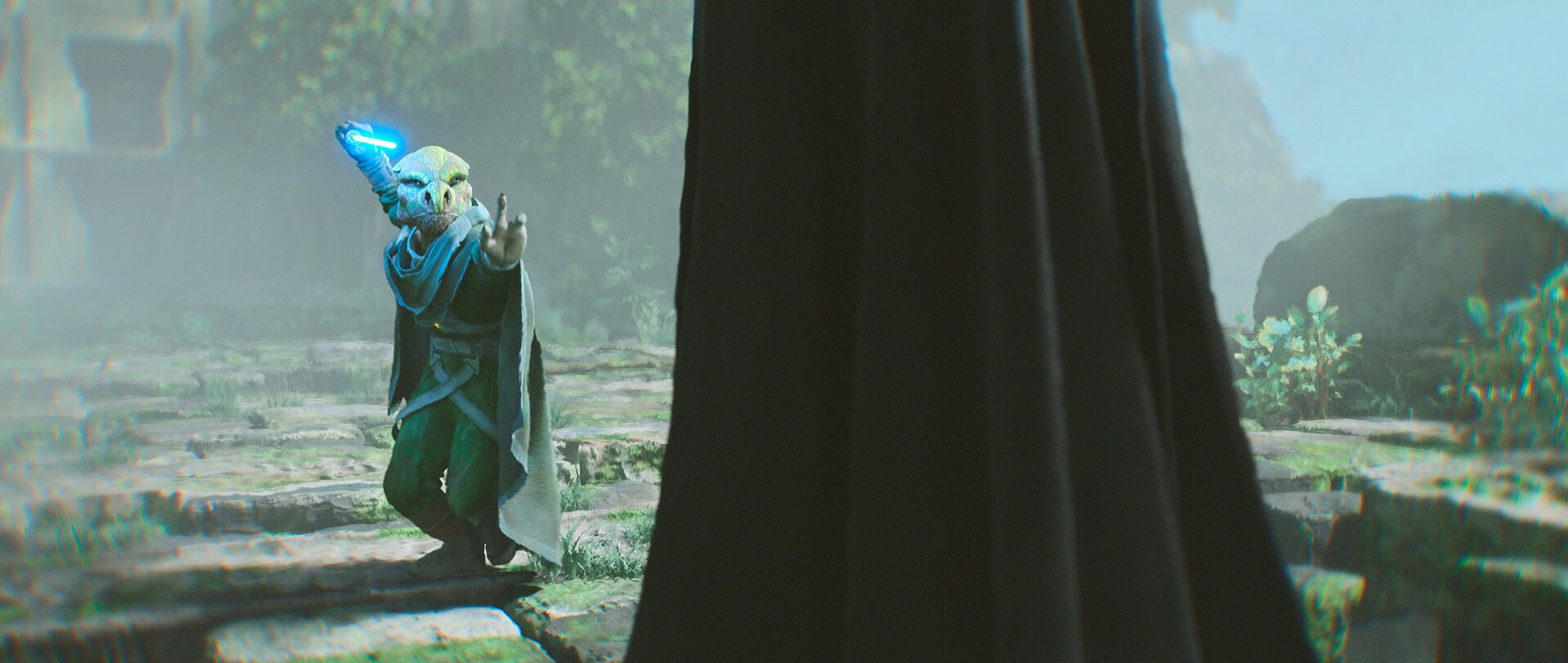
In episode 10 when Devon sees her master Daki die, something breaks in her, and she accepts half of Maul’s lightsaber and works together with Maul to fight off Eleventh Brother. During this moment Devon’s theme and Maul’s motif from Star Wars Rebels also plays. “We actually hid the second half of Maul’s theme in Devon’s theme, so when we play them together, suddenly they line up as they’re united in purpose,” says Sean. “Her theme is expressing it’s coming into its own, but in a really dark way.”
The detective and the Sith Lord
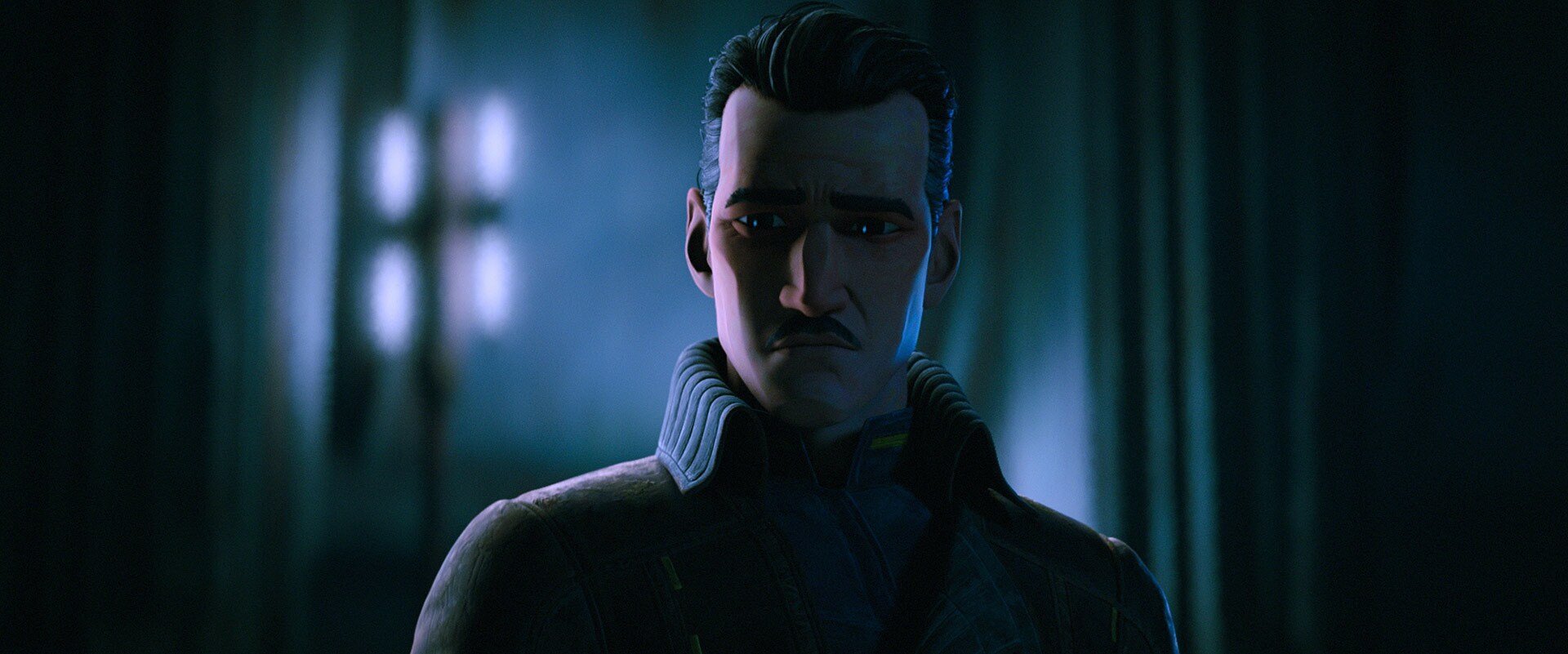
A challenge for the Kiners was finding a way to bring noir music into the Star Wars galaxy, as film noir was another significant influence for the series’ creators, especially for the character Detective Brander Lawson. Not only did the trio have to decide how much noir influence felt right for the score, but all three came to the project with different ideas of what noir music sounded like.
The Kiners first thought about film classics like Casablanca and noir scores ranging from 1940s films scored by Max Steiner (The Big Sleep, Key Largo) to the 1974 classic Chinatown to Nicolas Cage in 2018’s Spider-Man: Into the Spider-Verse. “It was very interesting to realize there’s such a diverse approach to one genre,” says Deana. “And it was leading us in different directions in how to approach Lawson’s sound.”
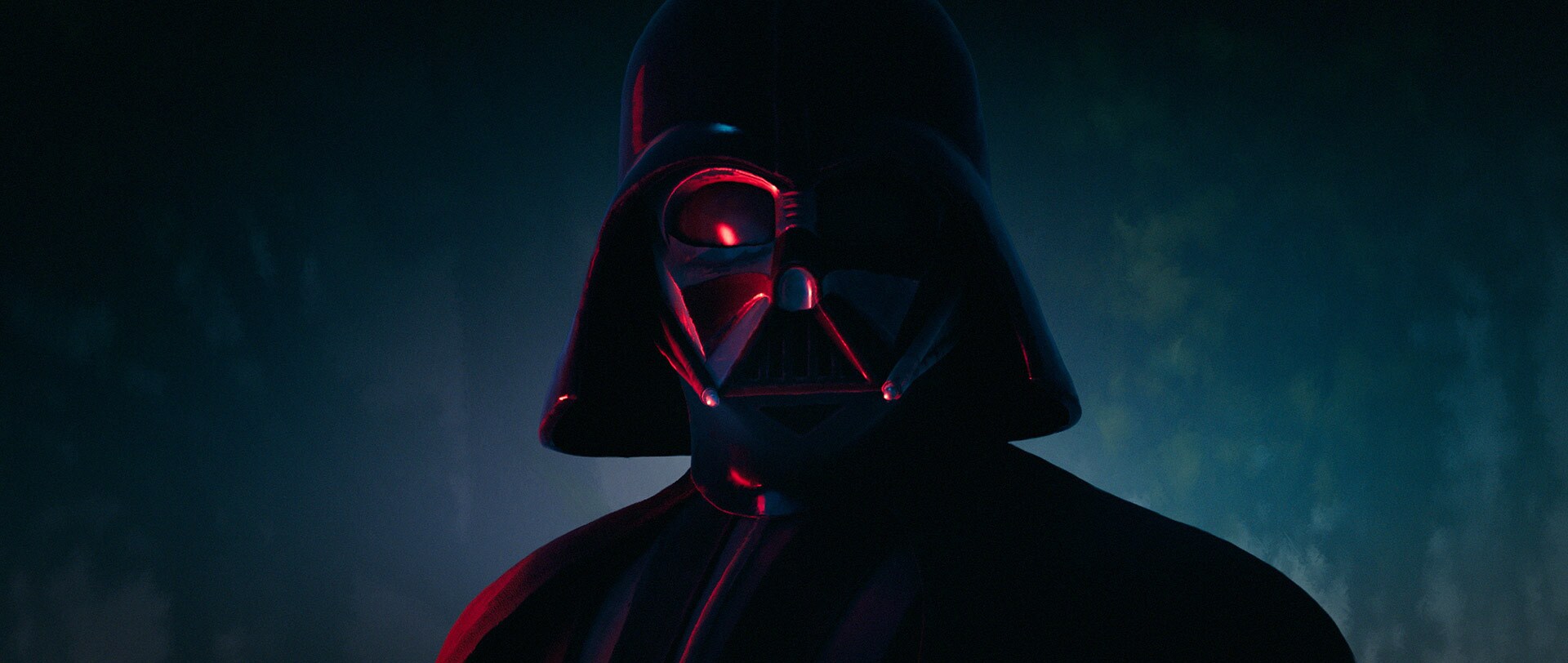
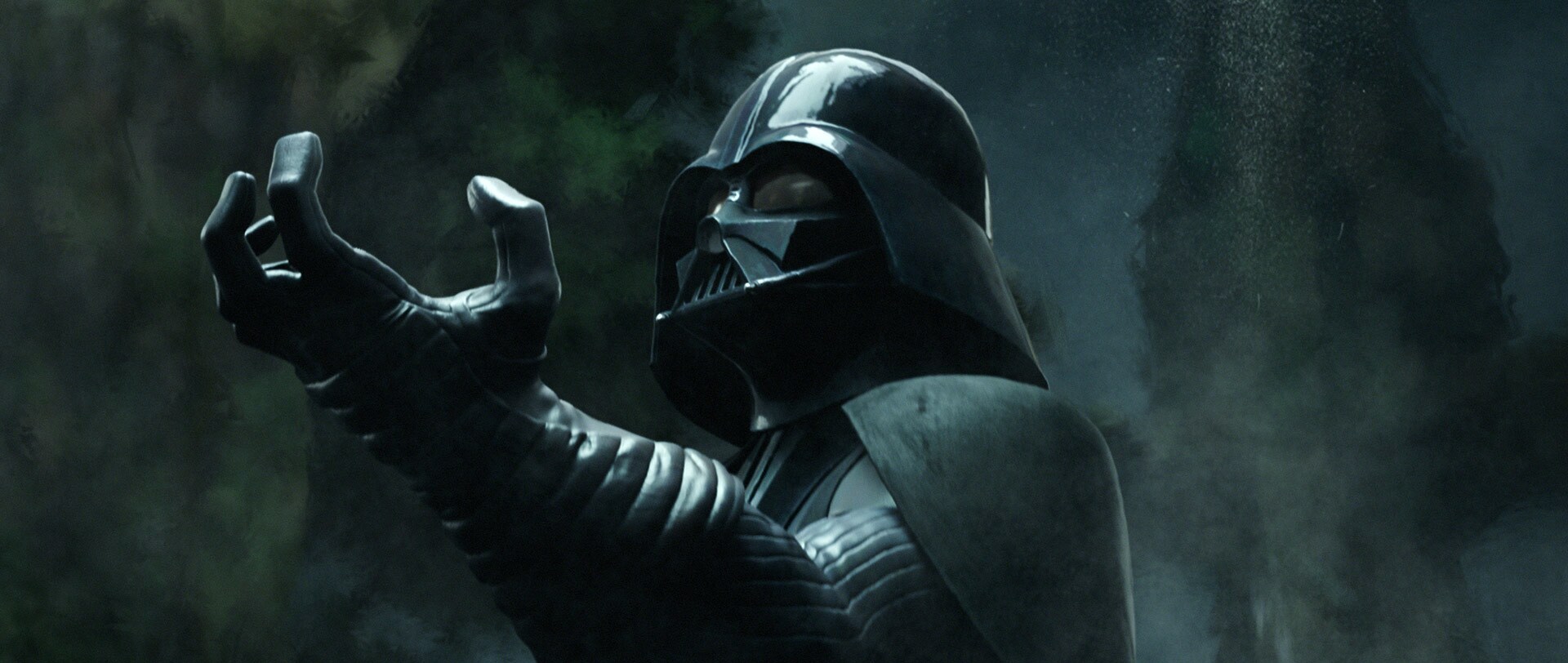
While the music that accompanied Lawson’s scenes is a more unique sound for Star Wars, Darth Vader’s appearance in episode nine brought its own challenges, as “The Imperial March” — Darth Vader’s theme — is one of the most recognizable pieces of music in existence.
“You don’t want to just play that theme,” says Kevin. “You don’t want to just play it all through. You kind of want to allude to it. Sometimes it’s just the first three notes of it.”
Finding ways to keep it Star Wars but keep it fresh is something Rau values about collaborating with the Kiners. “Even though Matty Michnovetz and I could talk all day about John Williams and how he raised us practically with his music,” says Rau, “you don't want it to just be those themes all the way through. So having new characters with new motifs and new themes is great.”
Working as a trio
It took the Kiners about three weeks to score each episode of Maul –Shadow Lord — a process that required communication and collaboration to ensure the final result felt like it was created by one voice.
While doing their work, the Kiners had access to episodes that were in various stages of the animation process, but all the pacing and voice acting was close to a locked edit, so they knew the timing of the shots.
The trio split up the work depending on what narrative line one of them was interested in following in any given episode. But the process wasn’t exact. “Oftentimes we benefit by trading off arcs,” says Sean. “That’s how we keep some level of cohesion.”
“We’re throwing files back and forth,” says Kevin, talking about the volume of information they had to keep track of. “We’re always making sure we have access to how the other person made that sound or knows what we are using for Daki.”

Kevin credits his children with adding new layers to the score he never would have thought of — including the moment where Devon turns to the dark side. “They delved deeper into the story and character and what that all means,” says Kevin. “I’m much more of a seat of my pants, sit down and jam. I think it’s a great example that the three of us are so much better than the one of me was 20 years ago.”
A change for the Kiners’ workflow with Maul – Shadow Lord included knowing how the series ended early on.
"I spoiled the whole season for them right from the beginning,” says Rau. “I wanted them to know where we were going because it's so serialized, and they had the greatest ideas for how to create motifs that move all the way through. We wanted a pulpy noir feeling as something we talked about the whole time, and they brought that to us, giving us this very familiar Star Wars sound and something brand new that we've never heard before."
“He was totally right to show us everything,” says Kevin, “because it is a very sophisticated emotional arc that Devon goes through. There’s a lot of depth and thought that’s gone into it.”
Fun with fans
The Kiners will be back to score Maul – Shadow Lord’s second season, and they credit the Lucasfilm Animation team including Rau, Lucasfilm President and Chief Creative Officer Dave Filoni, Executive Producer Athena Portillo, and Michnovetz for giving them a safe space to work their magic.
“It’s such an encouraging atmosphere where we're doing this as a team and we’re not worried about nailing it right away,” says Kevin. “There’s a freedom to take a big swing and see what happens.”
The Kiners also continue to enjoy their interaction with Star Wars fans as they watch their work unfold week after week.“It’s really amazing how the community interacts with our work,” Deana says. “They make it so easy and so fun to essentially play with them as the show is coming out. We really love that aspect of these shows.”
The age of Maul has begun. All episodes of Star Wars: Maul - Shadow Lord are now streaming only on Disney+.
And listen to the full Star Wars: Maul - Shadow Lord Season 1 soundtrack, featuring original music written by Kevin Kiner, Sean Kiner, and Deana Kiner, wherever you stream music.