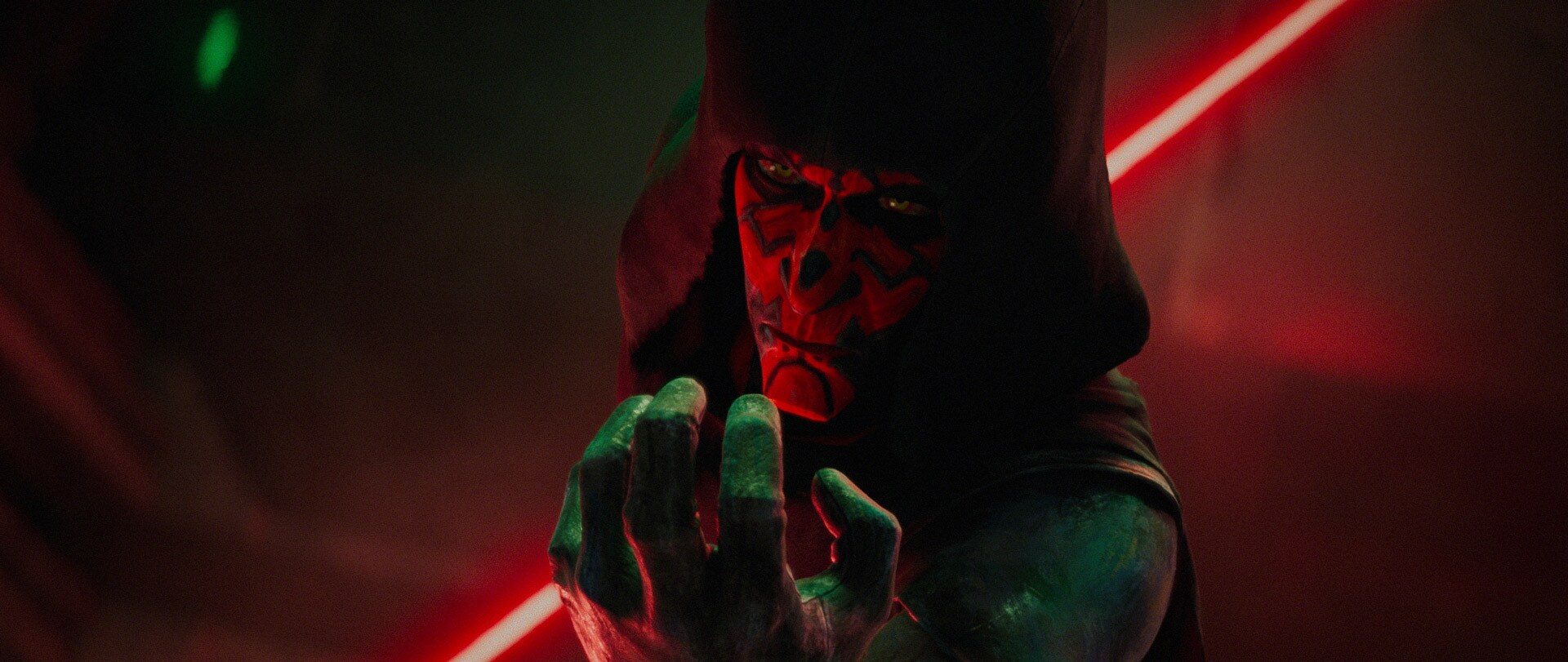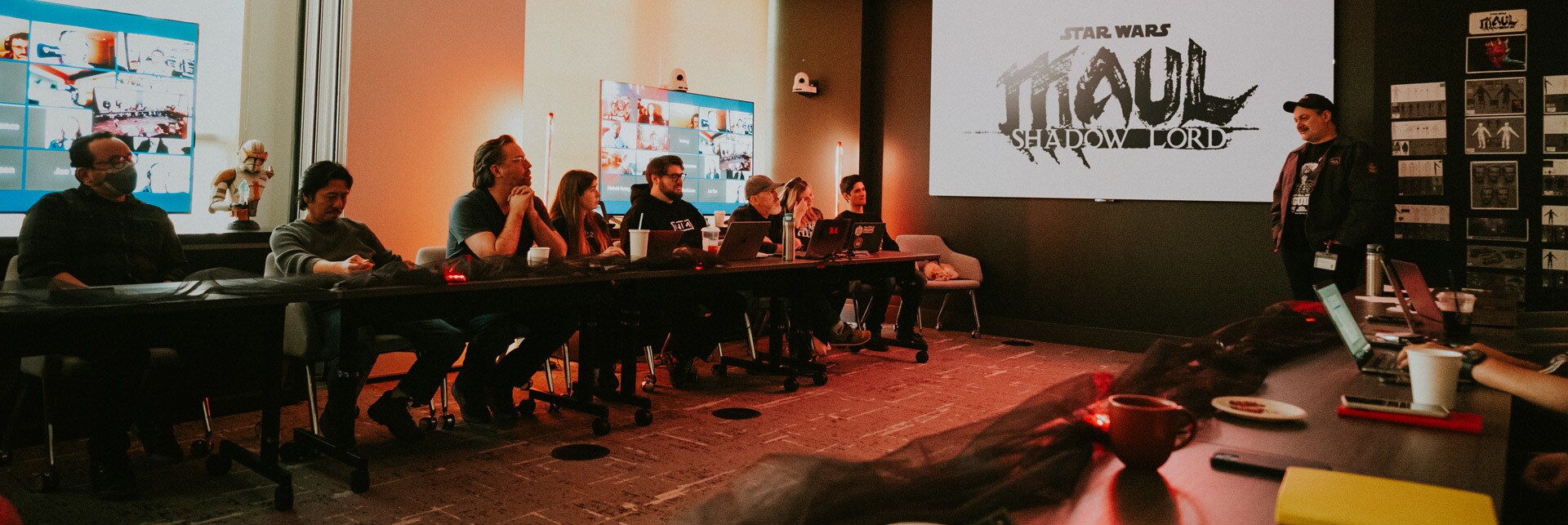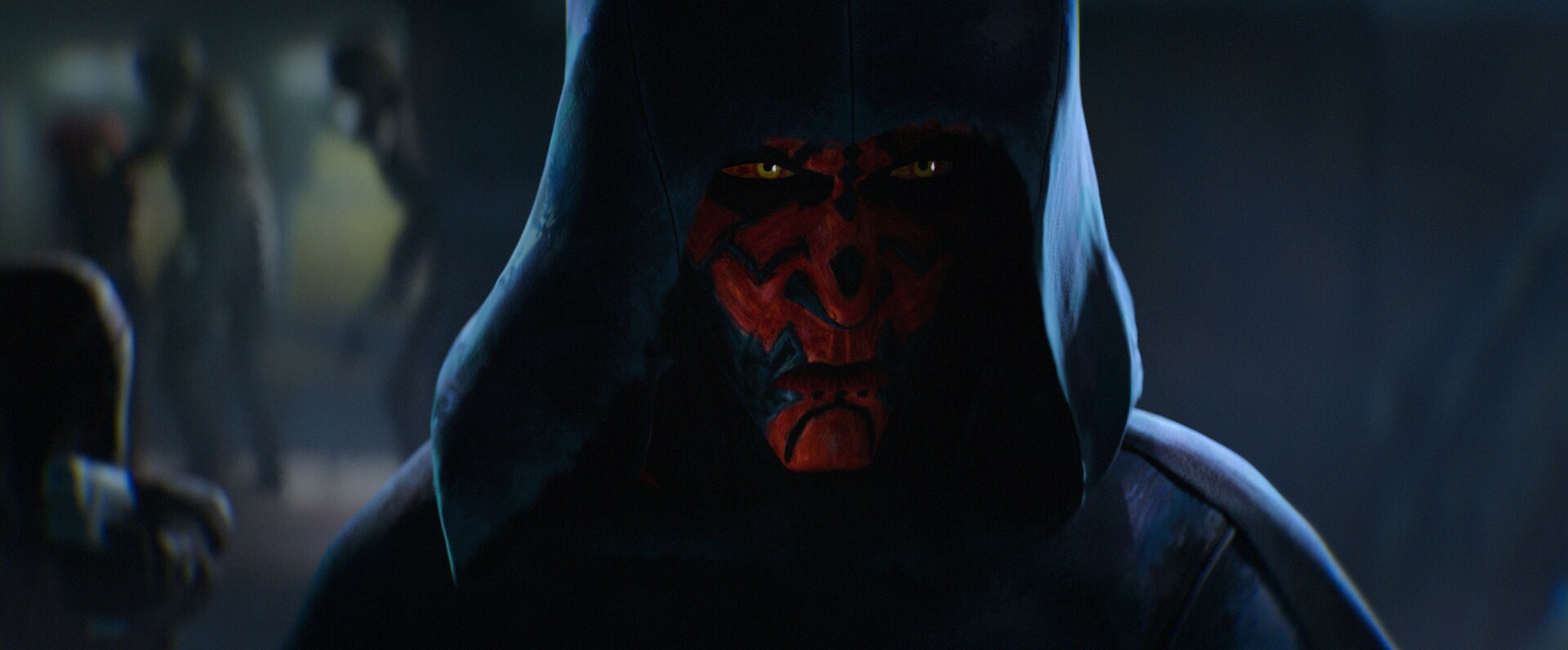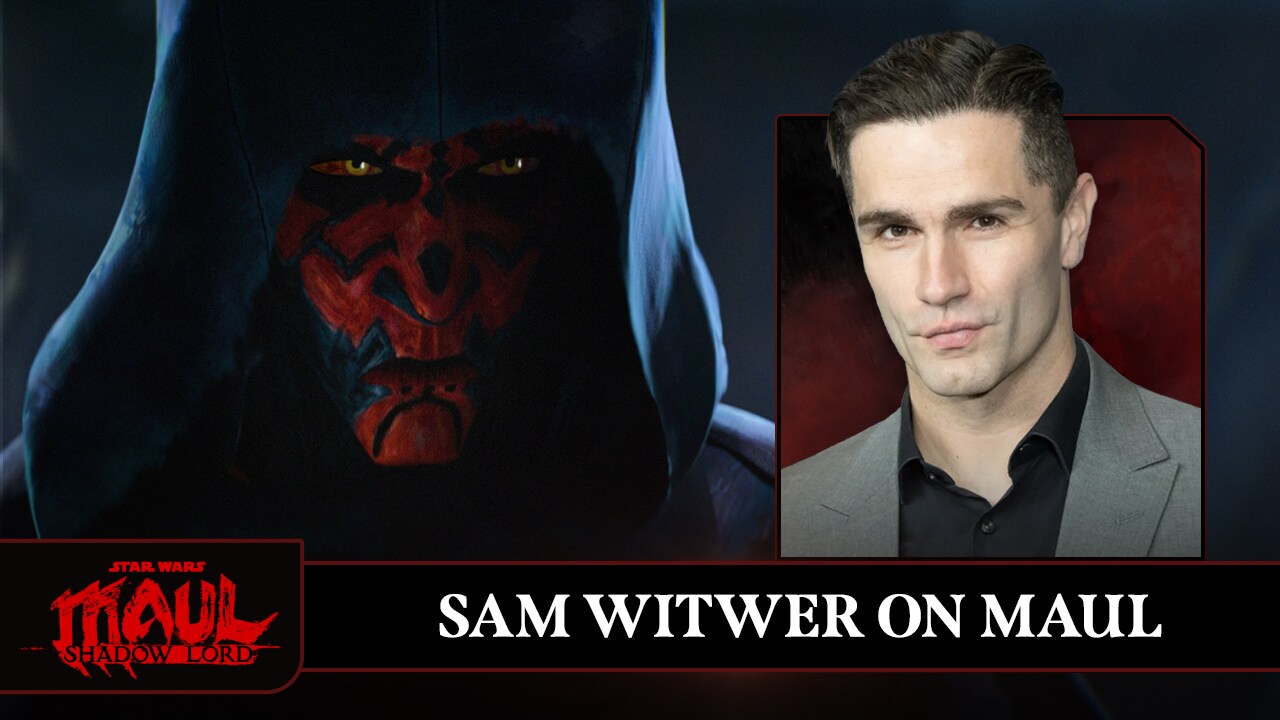

“This version of Maul is the most psychologically satisfying version of the character that we've ever done,” the actor says of the new animated series.
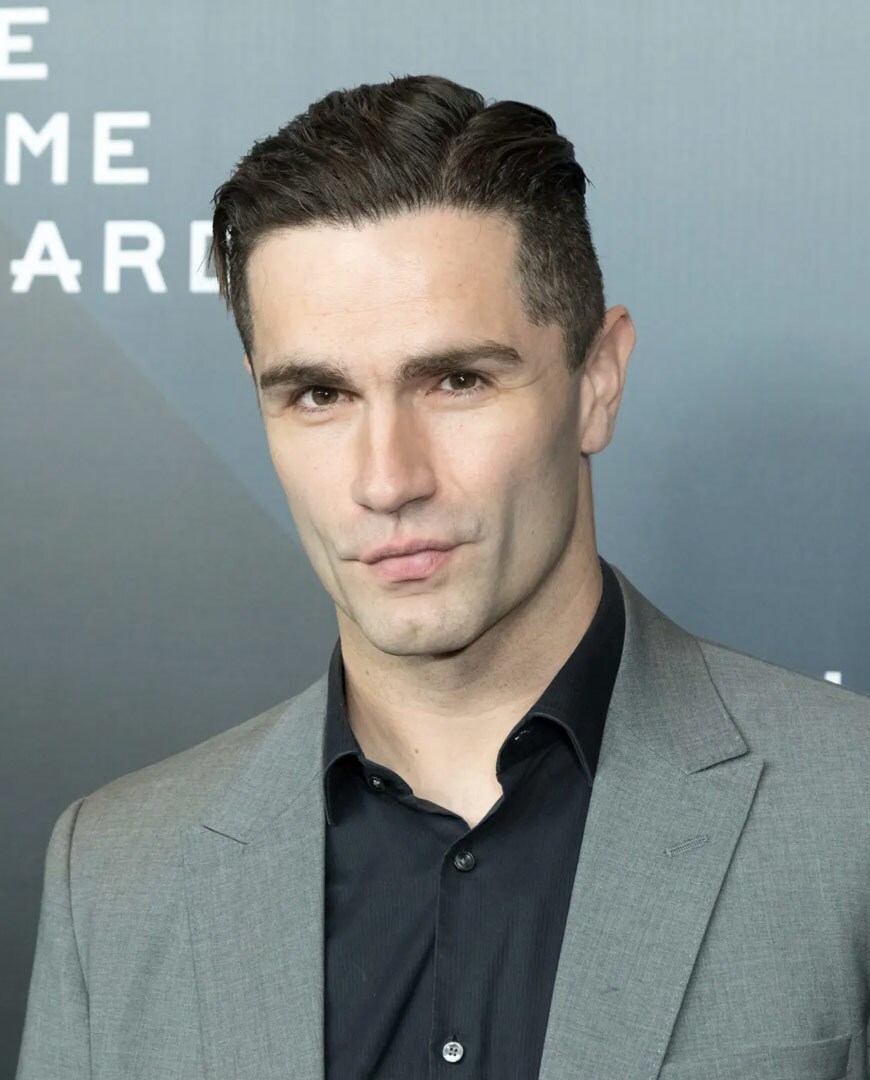
Few people have spent as many years obsessing over Maul’s interior life as Sam Witwer has.
“I feel like I know this guy pretty well at this point,” Witwer says.
The voice actor has portrayed Maul for over a decade, beginning with his astonishing return in Star Wars: The Clone Wars and followed by stories across animation, film, and video games. Now, Maul commands the spotlight as the lead in his own series, Star Wars: Maul - Shadow Lord.
With the first two episodes available now on Disney+, the animated series gives fans unprecedented access to the former Sith as he struggles to find his place in the nascent Empire. To celebrate the series premiere, Witwer chats with StarWars.com about what’s in store, his journey as a voice actor, and how Maul was a part of it even before his surprising return.
Finding His Voice
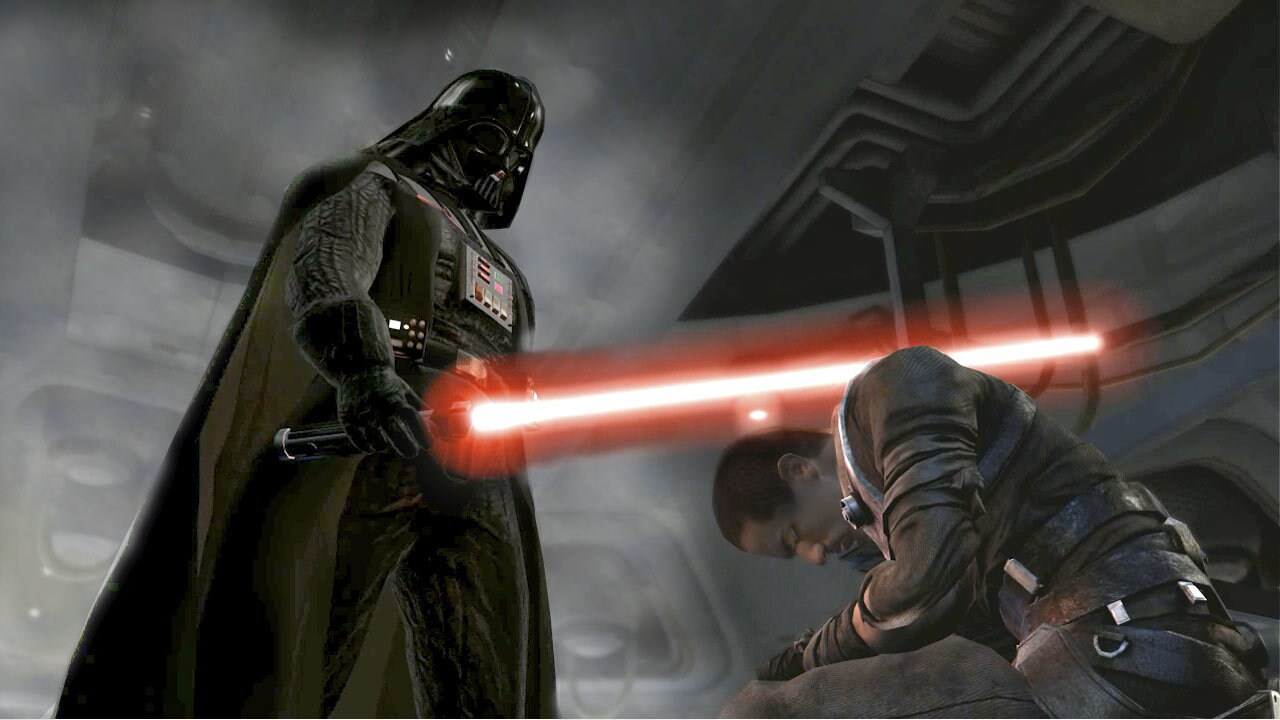
Witwer first became part of the galaxy far, far away when he gave a voice to Starkiller, the secret Sith apprentice from the 2008 video game Star Wars: The Force Unleashed. (The modest actor credits his friend and Maul - Shadow Lord co-star David W. Collins with slipping his headshot in the audition pile.) A few years later, Witwer joined the cast of Star Wars: The Clone Wars as a new character, the Son, in a three-episode arc beginning with “Overlords.”
As any Star Wars fan who’s seen it will tell you, the Mortis arc is unforgettable—but even more so for Witwer.
“When I did the Son of Mortis for Dave [Filoni], I showed up with no ideas,” he recalls. “I'm embarrassed to say that because you never do that. Thankfully, there wasn't a lot of dialogue in that first episode, but I didn't show up with a strong take on the character.
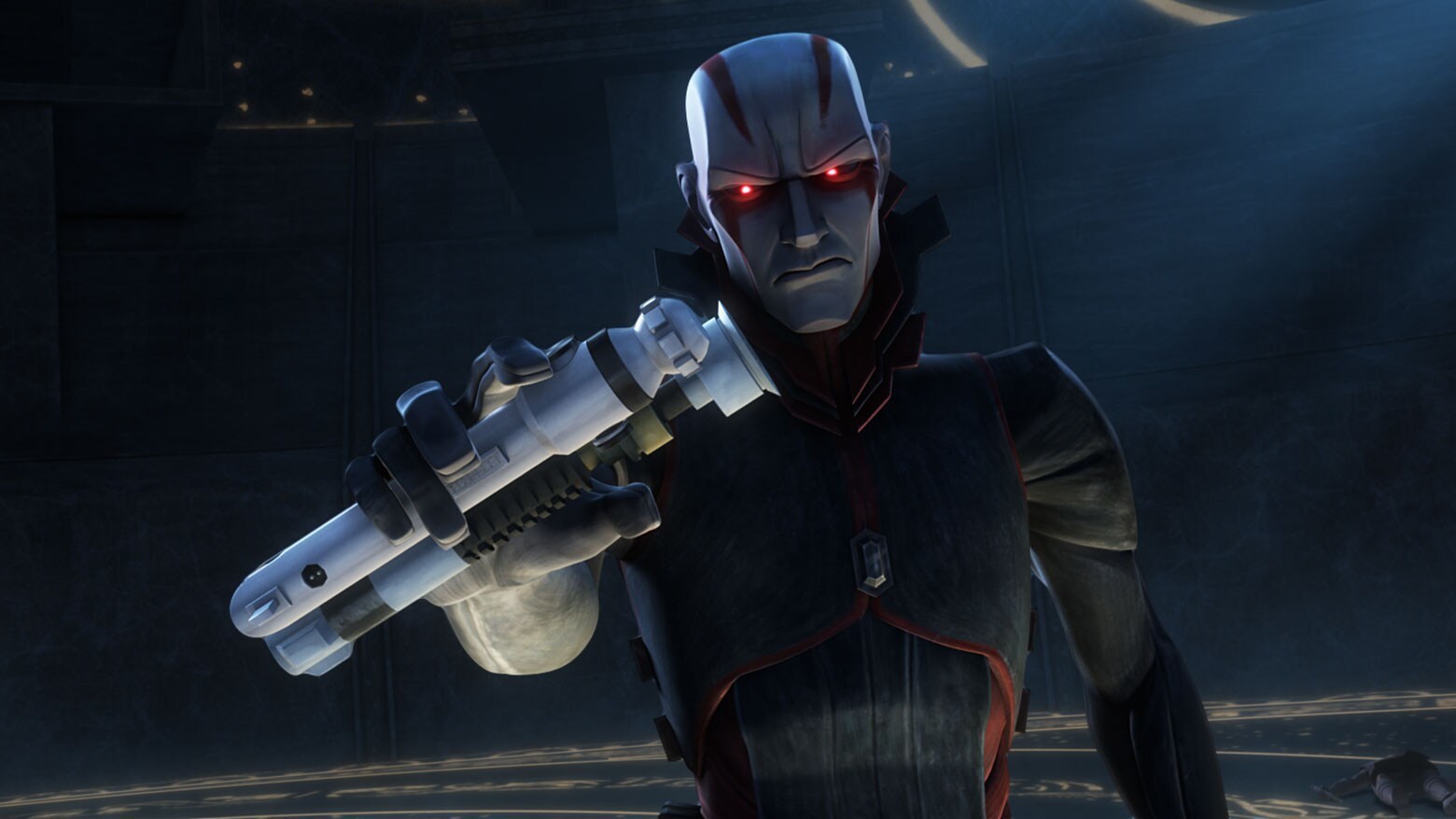
“I say, ‘Hey, Dave? Are we worried that the Son of Mortis kind of sounds like a generic version of Starkiller?’ Dave could see that I was losing confidence.” Luckily, Filoni had an answer. “He says, ‘Well, Sam, you’ve got to remember,’ and I'm watching the wheels turn, and then he comes up with this. He says, ‘You’ve got to remember that Starkiller had a connection to the dark side of the Force. And the Son of Mortis is the dark side of the Force. So, it actually makes sense if they sound alike.’”
While Witwer could see through the well-meaning attempt to make him feel better, he suddenly realized that if the voice of Starkiller is intertwined with the Son, so are the voices of other Sith like Count Dooku and Darth Vader.
“I went home with my head spinning,” Witwer recalls. “That's how you play the character. I came back for the next episode and I started doing that. So that's how we were playing it, peppering in these moments of Vader, the Emperor, and Maul into the Son of Mortis character.”
There’s Something About Maul
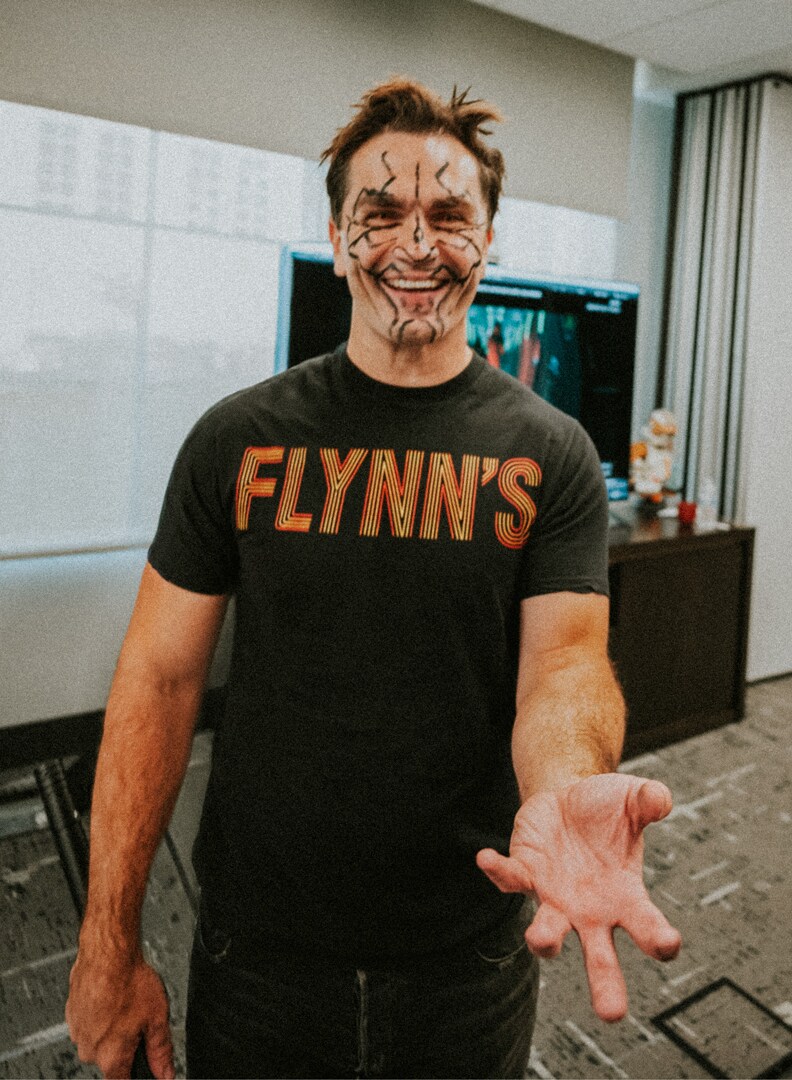
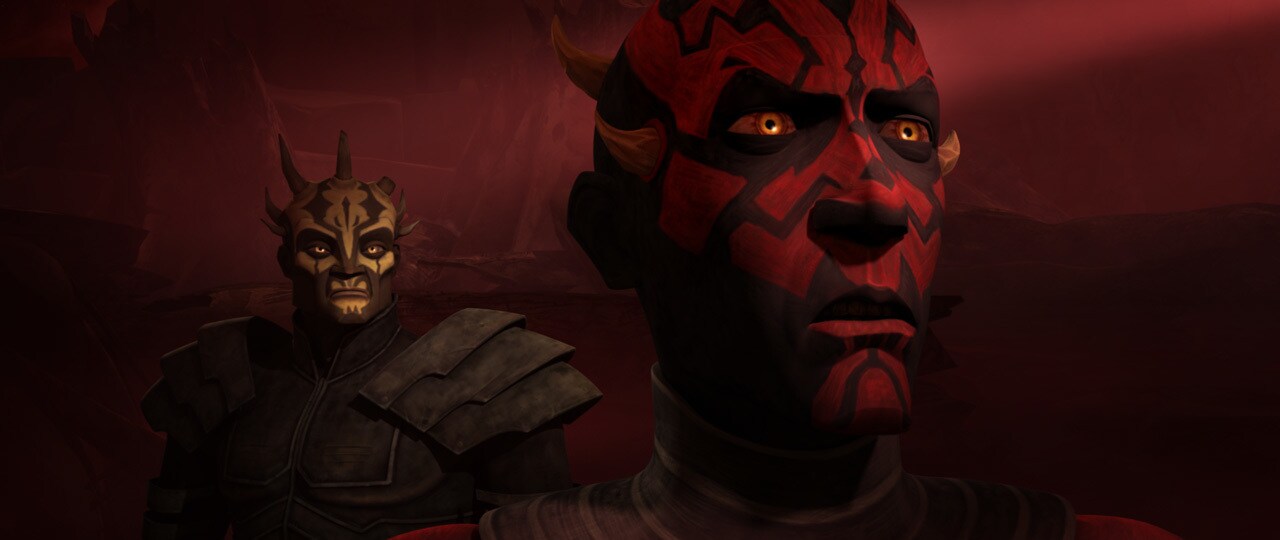
Witwer would later be cast as the voice of Maul as The Clone Wars progressed into its fourth season.
When the vicious visage of Darth Maul first emerged from the shadows in Star Wars: The Phantom Menace, audiences were instantly intrigued. As a character of few words, the man of mystery left more questions than answers in his wake.
“[Concept artist] Iain McCaig created a singular vision of evil,” Witwer says. “When you have such a provocative image like Maul, the way that he looks and the way he behaves, and the fact that he didn't say that much in that movie, it begs the question: Why? Who is this person? What happened to him?”
In 2012, The Clone Wars gave Maul the opportunity to answer those questions himself. But bringing back the apprentice of Darth Sidious wasn’t going to be easy, least of all because of his gruesome—and memorable—fate in Episode I.
“I obsessed about this character for months before we recorded anything,” he says. “[Dave Filoni and I] were talking about who he was, who he strived to be, how he was trained, and how Sidious treated him.”
While not much is known about Maul’s early days with Palpatine, it’s obvious that Sith training doesn’t include emotional intelligence or coping mechanisms.
“He has all of the emotions,” Witwer explains, “the same type of feelings that you and I have, but he doesn't have the tools to express those. How do you express the full range of human emotion through a very limited vocabulary?”