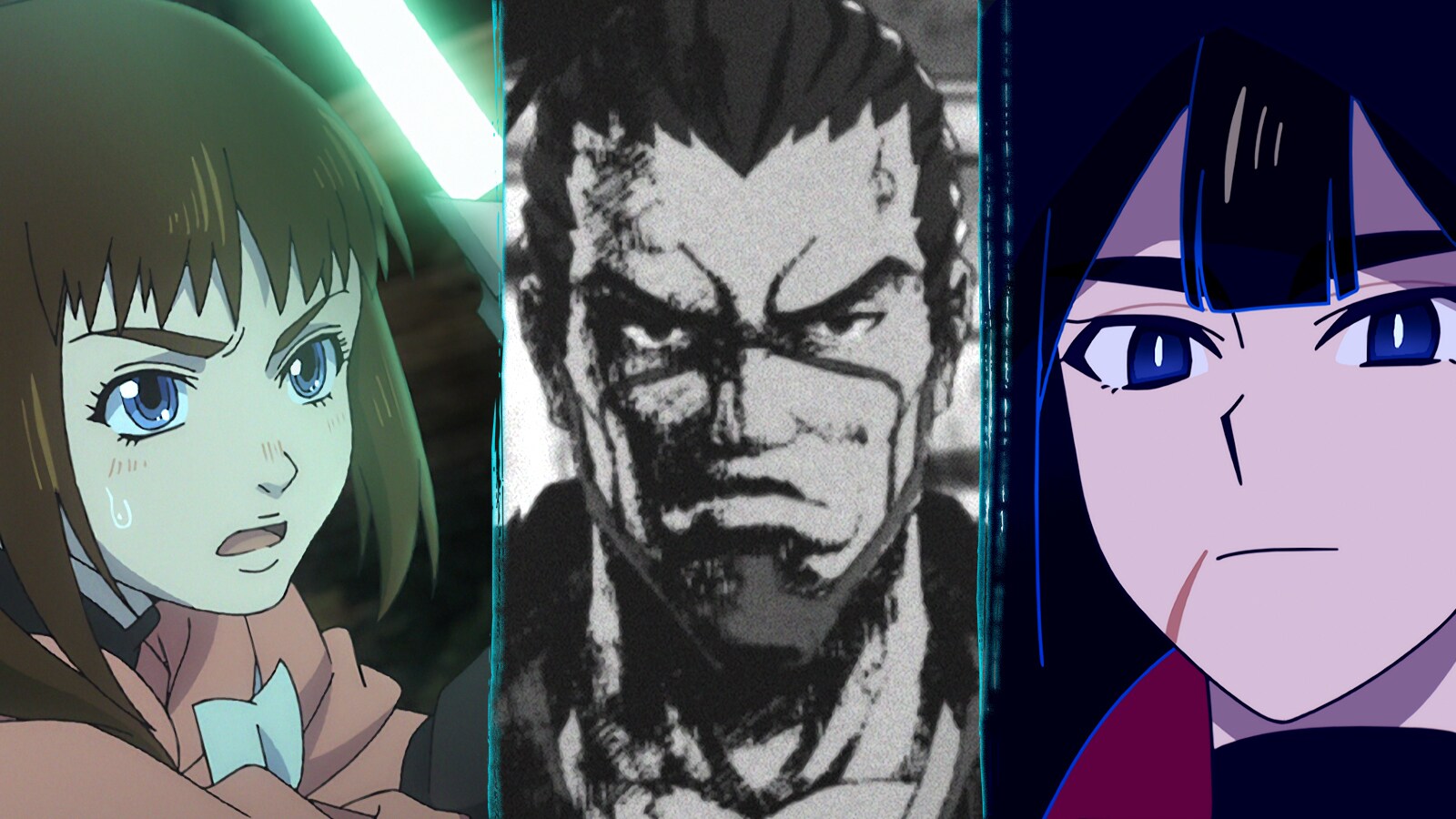
Three anime studios return to continue the stories of the Ronin, F, and Kara.
It’s been over four years since Star Wars: Visions Volume 1 weaved new patterns into the galaxy far, far away. The series has treated us to versions of the mythos filtered through the unique creative stylings of master animation studios throughout the world, each with its own interpretation. Visions Volume 3 adds nine new stories to that cloth, and — as a series first — three of those are direct sequels, continuations of some of the most beloved stories from Volume 1.
Director Takanobu Mizuno with Kamikaze Douga + ANIMA follows up “The Duel” with “The Duel: Payback.” Hitoshi Haga with Kinema citrus Co. returns as director/co-writer for “The Lost Ones,” a sequel to “The Village Bride.” And Production I.G. writer/director Naoyoshi Shiotani helms “The Ninth Jedi: Child of Hope,” a follow-up to Kenji Kamiyama’s “The Ninth Jedi.”
StarWars.com had the chance to sit down with the three directors of the sequels to learn some behind-the-scenes insights on bringing these short films to life.
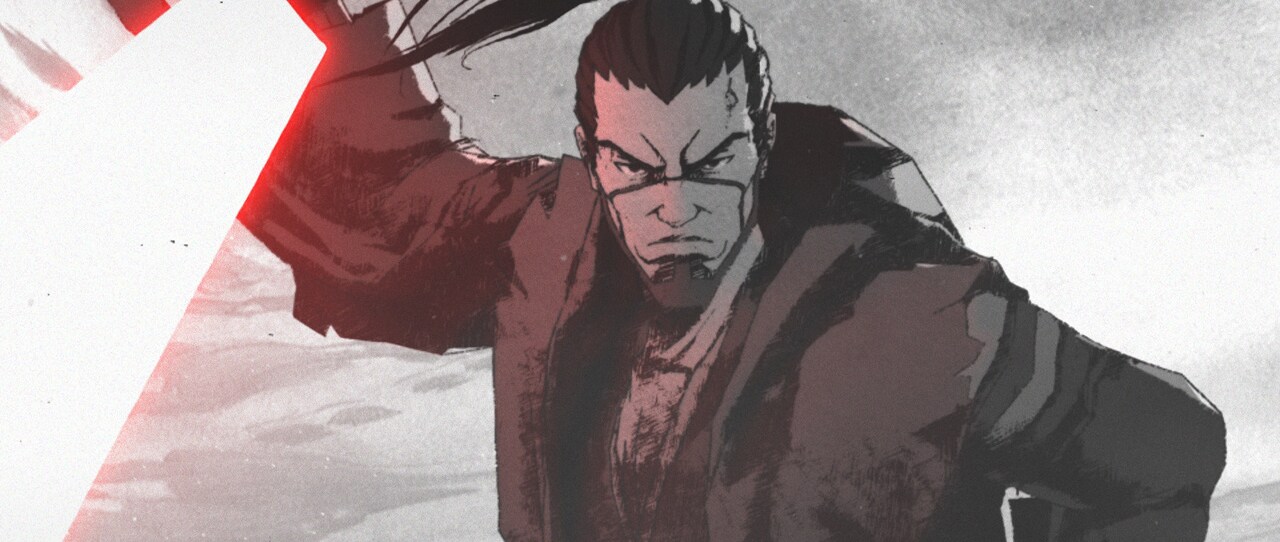
“The Duel: Payback” | Kamikaze Douga + ANIMA
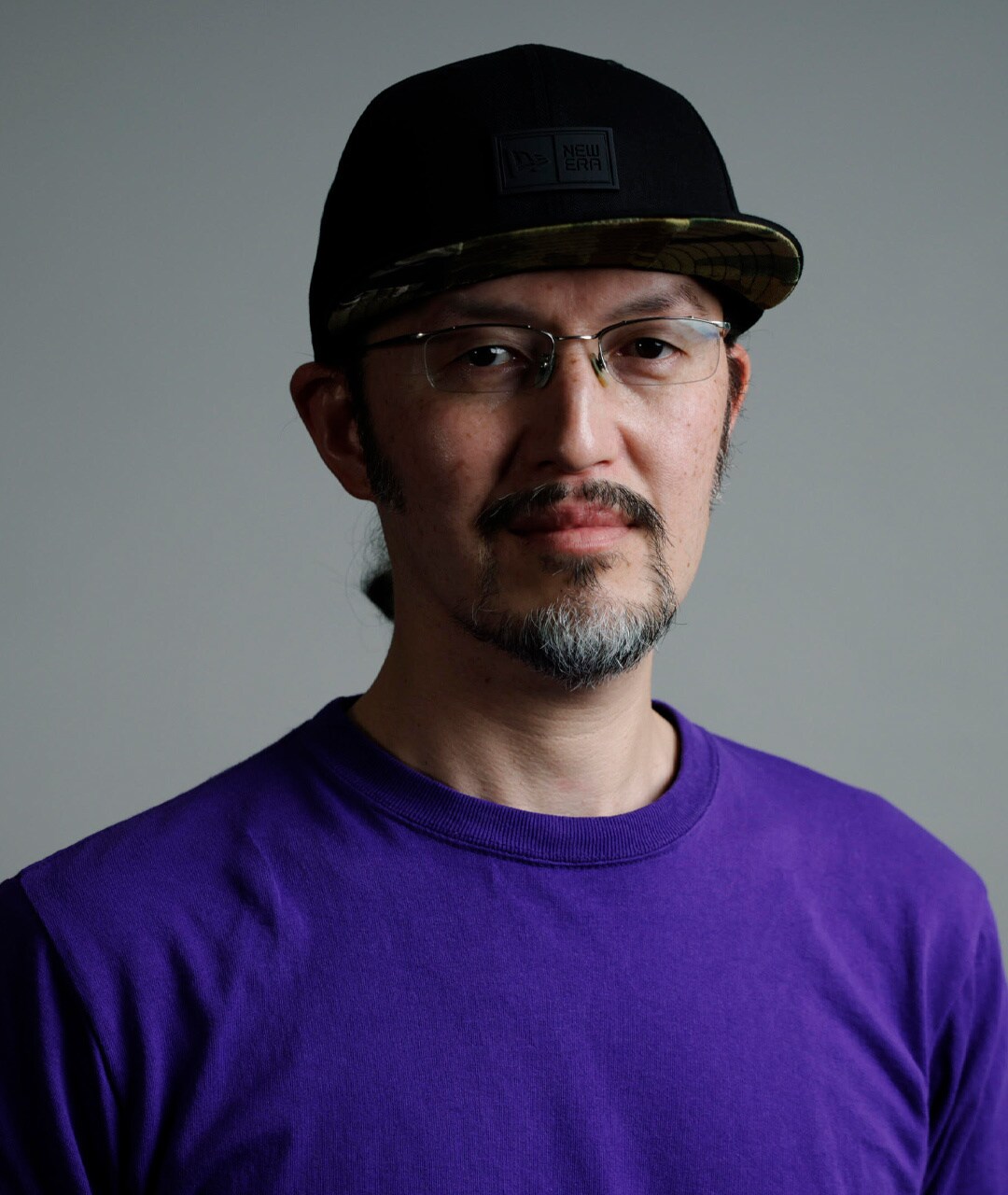
Takanobu Mizuno on Kurosawa, the animation techniques behind the Grand Master, and creating for an existing fan base.
Directed by Takanobu Mizuno, “The Duel: Payback” sees the Ronin facing off against his greatest foe, a twisted and revenge-driven Jedi known as the Grand Master. After the previous entry’s reveal of the Ronin being a former Sith, Mizuno's team landed on a Jedi villain to further drive questions of morality. “Can [The Grand Master] truly be called a Jedi? And what really is it that makes a Jedi in the first place? I hope viewers will find themselves pondering that for themselves,” Mizuno says.
Mizuno’s team was aware of the fact that George Lucas has cited the works of Japanese director Akira Kurosawa as an inspiration for Star Wars. With this, they wanted to draw out the existing Kurosawa influence from the setting. “We kept Kurosawa’s Yojimbo top of mind for the first short, while also pouring in all our gratitude to George Lucas for his creation of A New Hope.” This sequel draws more from Star Wars: The Empire Strikes Back and Star Wars: Return of the Jedi to inspire the locations for Ronin's vivid battles. “The snowy mountains in the short call back to the battle on Hoth, while the artificial island scenes are inspired by the Battle of Endor,” Mizuno says.
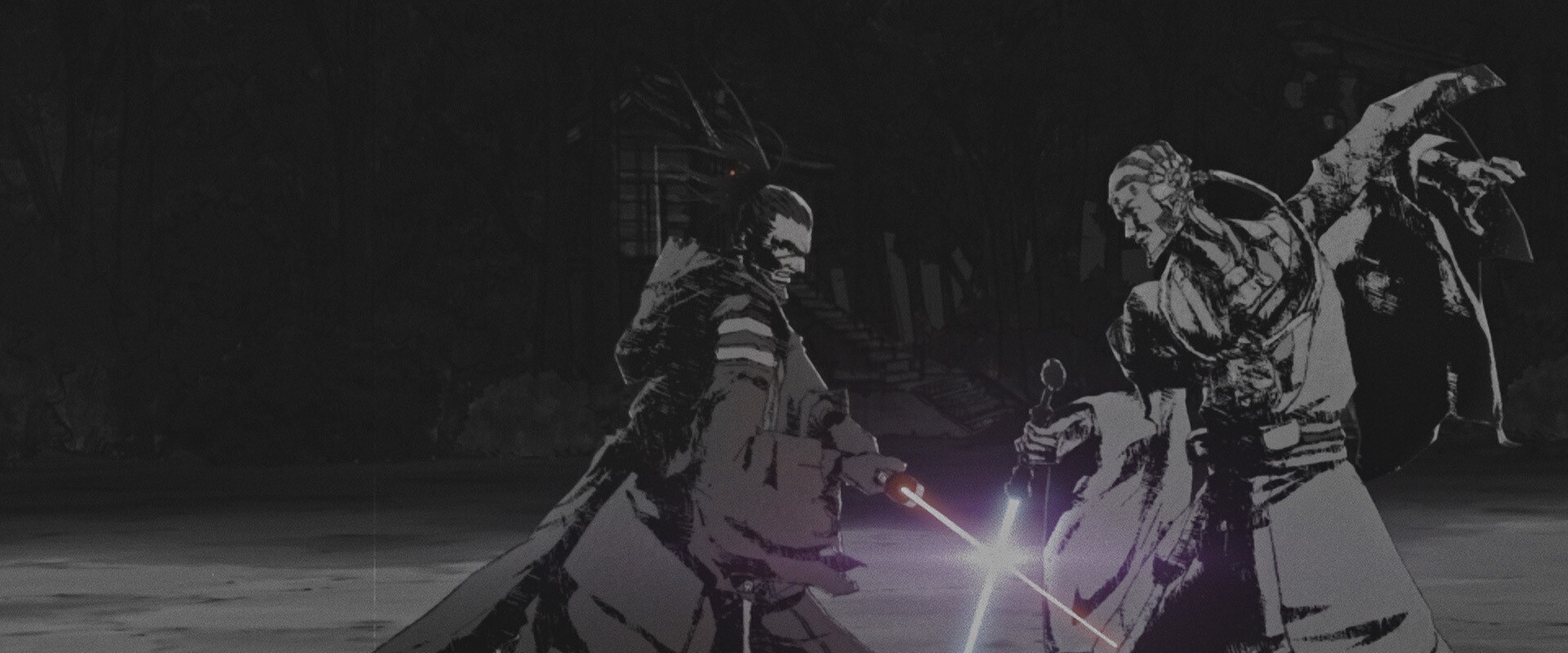
Mizuno’s biggest priority in animation is to get the right balance of information, meaning that animators need to consider visual and kinetic elements for clarity and impact. In short, Grand Master’s overwhelming speed and strength are represented by a ghosting effect, where a replica of an image is superimposed on top of itself and layered on top of realistic fight choreography (having brought in real sword master choreographers for reference) to achieve that ever-delicate balance of spectacle with impact.
For Mizuno, it was a welcome challenge to try and create in a storied franchise. “Star Wars has amassed an enormous canon of designs, lore, and stories, as well as a huge and diverse fanbase,” he says. “We had to research everything down to the smallest detail to make sure we were staying consistent. It was long, hard work, but at the same time, it made me realize all over again that this is a world worth devoting such effort to. Connecting with so many fans, all our work is truly a joy — and a bit of a mysterious feeling, too.”
“The Lost Ones” | Kinema citrus Co.

Director Hitoshi Haga on F’s emotional journey, allegory vs flash and thrills, and the character designs of Shiori Tani.
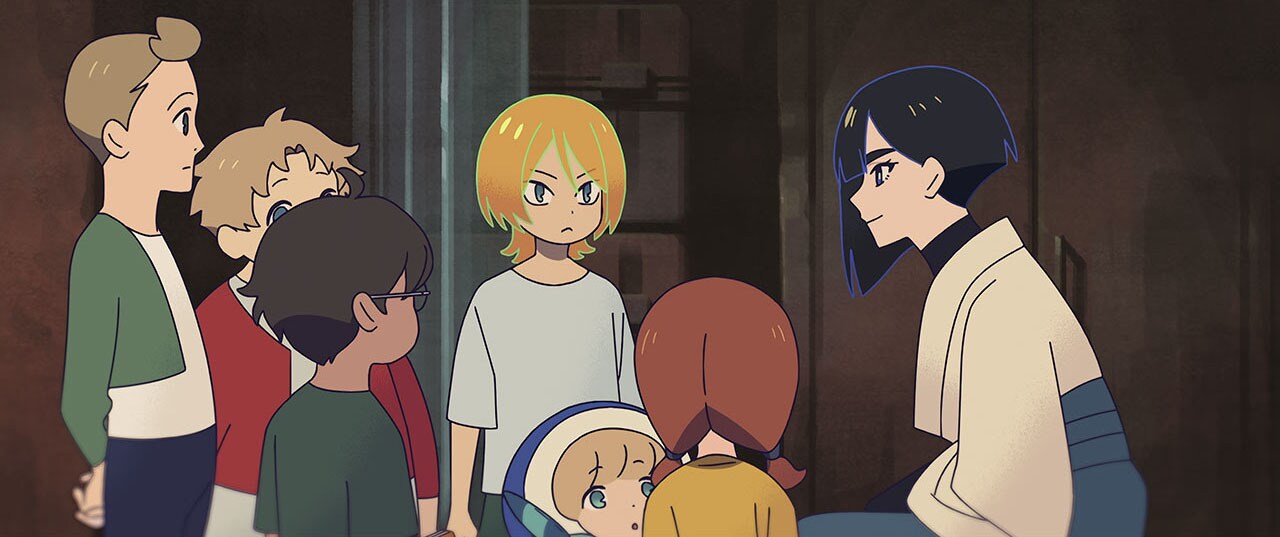
“The Lost Ones,” directed by Hitoshi Haga, follows the story of F, a Jedi we met in “The Village Bride.” After assisting refugees escaping a natural disaster, this story forces an incognito F to confront her believed-to-be-dead former Master, Shad-Rah, who now goes by Zero. Haga started working on this story immediately after production on the previous entry wrapped, which provided a great opportunity to continue F’s emotional journey.
“I believe what truly matters in storytelling isn’t just flash and thrills,” Haga says. “It lies beyond that. Films that just create consumable situations will be quickly watched and quickly forgotten. I believe when a story stays in someone’s heart, it can have an influence on them, and on their surroundings, and ultimately, through a butterfly effect, the whole world.”
Haga brought F face-to-face with a physical manifestation of her past in Zero. “This moment allows us to see her recognized as a Jedi by her Master. In a sense, her greatest wish is finally fulfilled.”
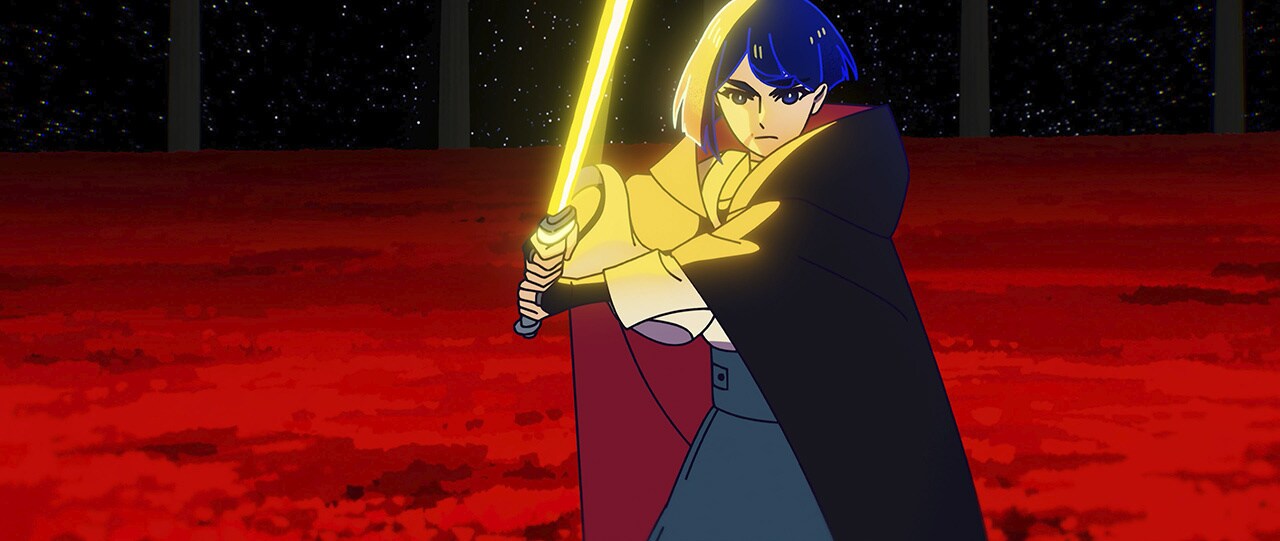
One thing fans have noted about Haga’s two Visions entries is the vibrant art style that sees colorful outlines trace along certain character designs. “We thought about how we could make the most of Tani-san's art style [in reference to character designer Shiori Tani] in the animation visuals,” Haga says. They experimented with bringing the thickness of the line art down to a single pixel and utilized gradations and compositing techniques to wring the most expression out of Japanese animation and Tani’s character designs. “This short didn’t give us the clear opportunity to explore the beauty of nature as we had in the last short. It was Tani-san who suggested the battle in the field of flowers,” Haga says. “The beautiful visuals contrasted with the extreme battle made the perfect setting for this tragic final showdown.”

Haga says that while creating a story in an existing setting like Star Wars was a source of pressure, it was also an honor to join that legacy.
“I’ve dreamed of creating my own stories ever since I was a kid, but the first I actually completed was ‘The Village Bride.’ The fact that my first story was something taking place in the Star Wars universe was an experience more valuable than anything.”
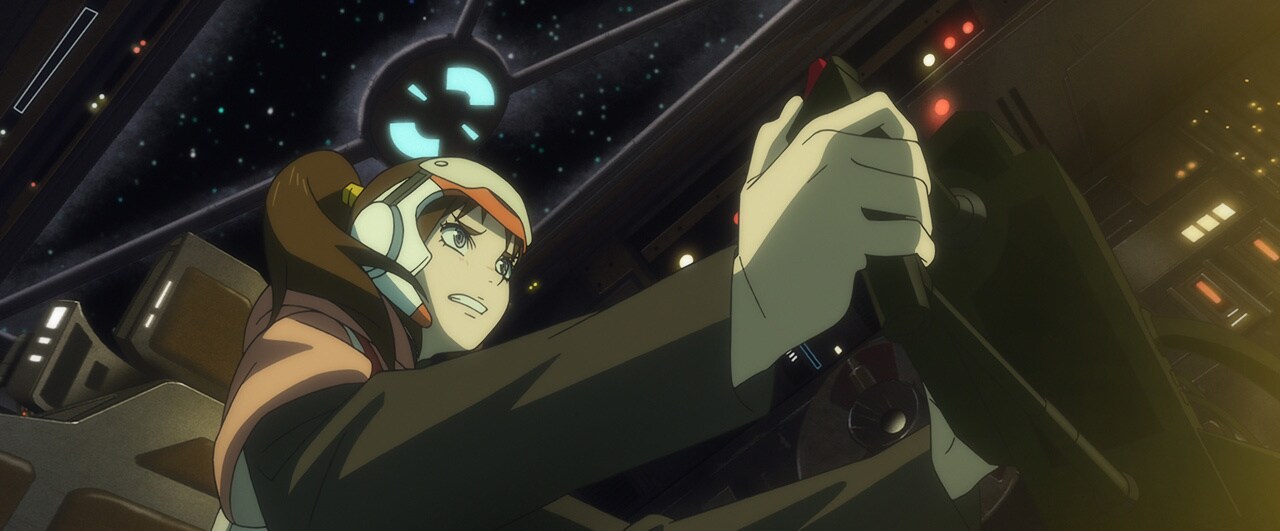
“The Ninth Jedi: Child of Hope” | Production I.G
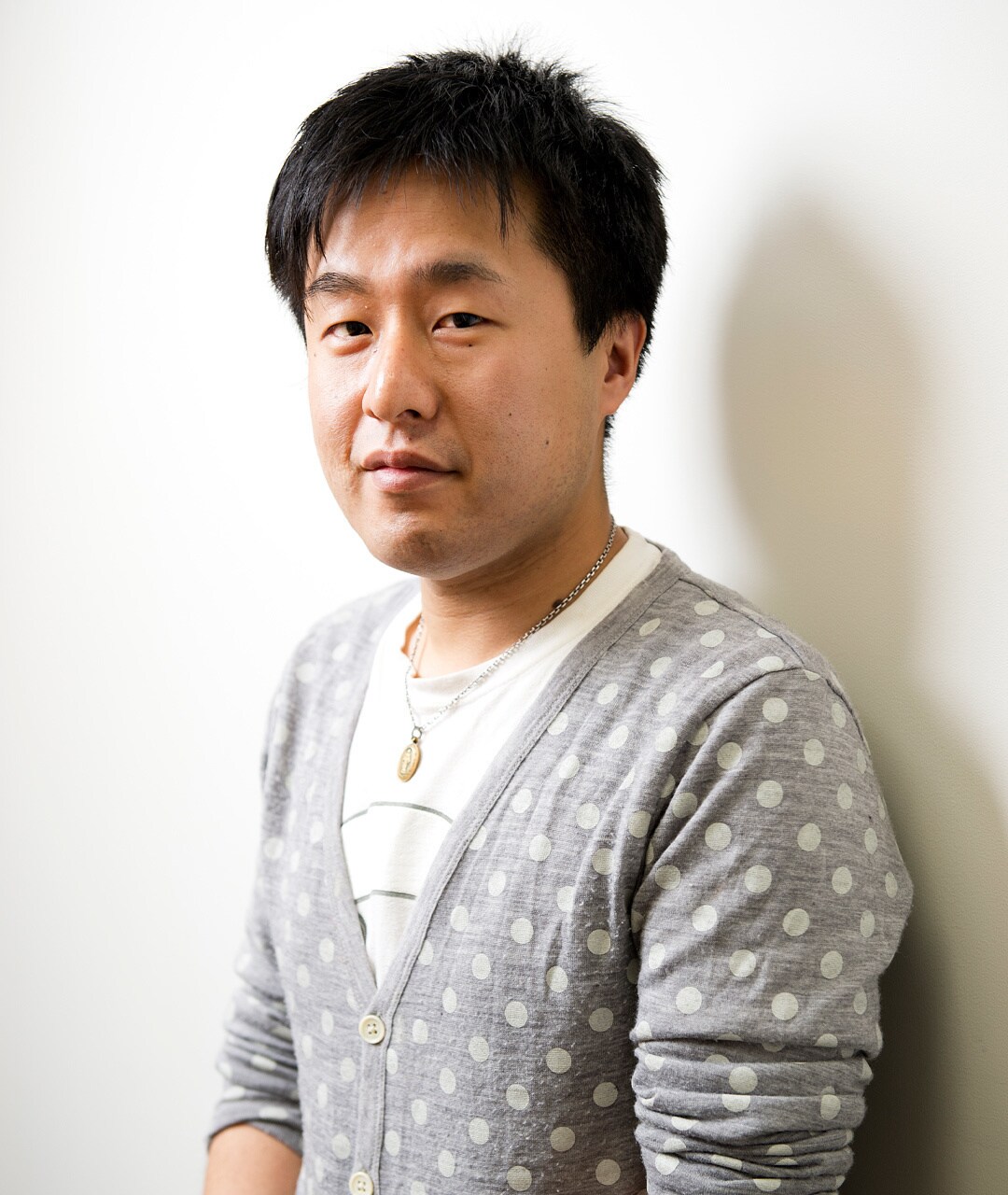
Naoyoshi Shiotani’s thoughts on Kara’s bittersweet journey, storytelling range, and stories that resonate with young people.
Naoyoshi Shiotani inherited writing/directing responsibilities from Kenji Kamiyama for this thrilling follow-up to “The Ninth Jedi.” Pursued by Jedi Hunters and blasted adrift into space, the young Jedi Kara encounters a seemingly abandoned ship tended to by a mysterious droid named Teto. Shiotani says it was an honor for his team to put their stamp on Kara’s journey. After watching the first short, he noted that Kara seemed to be at the start of her growth. “My story shows the moment Kara, having gone through the events of this story and the previous one, makes the decision for herself to become a strong Jedi. Teto’s presence is key to bringing out that element of the story.”
This short sees Kara trying to help the aforementioned disarmingly cute droid Teto, as he enlists her to save his trapped master. But while they befriend each other along the way and see some triumphs, it turns out that Kara is too late to help Teto’s master. And when the pursuing hunters catch up with the duo, the droid sacrifices himself to ensure her escape.
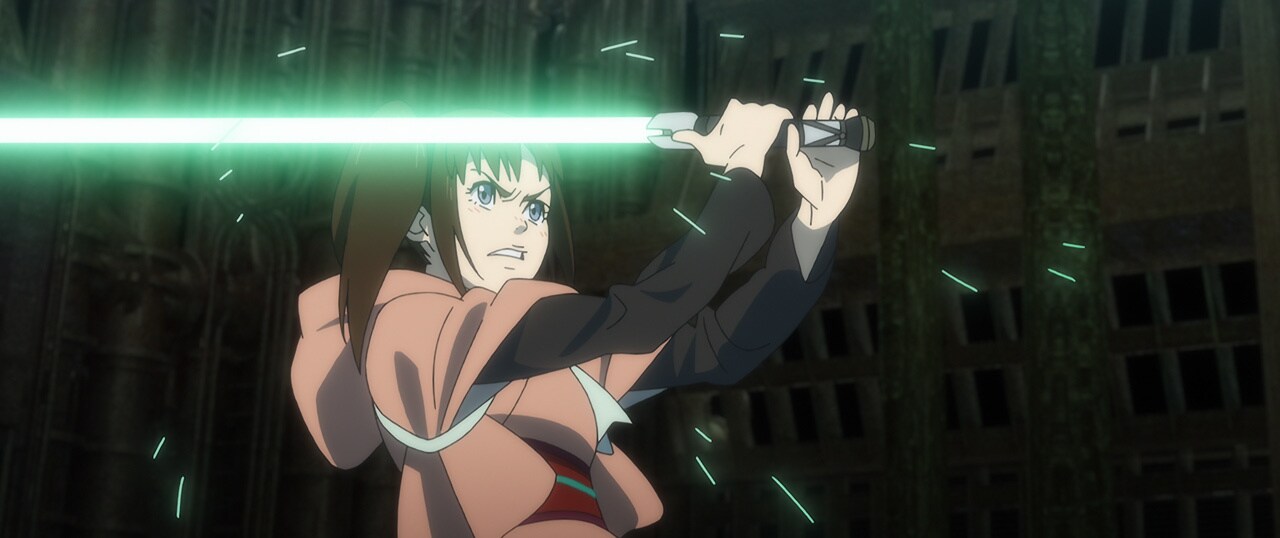
“From this point on, I think Kara’s story will involve more and more fighting. That means not only fun moments, but also facing sadness and pain,” he says. “I strongly felt that she is really on the verge of facing some serious situations, so I thought it would be wonderful for this bittersweet story to weave into whatever comes next for Kara.” In fact, Kara’s story will continue in Star Wars: Visions Presents - The Ninth Jedi.
Star Wars storylines like Yoda’s were the ones that moved Shiotani; the blend of the extremely serious with comical and heart-warming moments are of deep interest to him creatively.
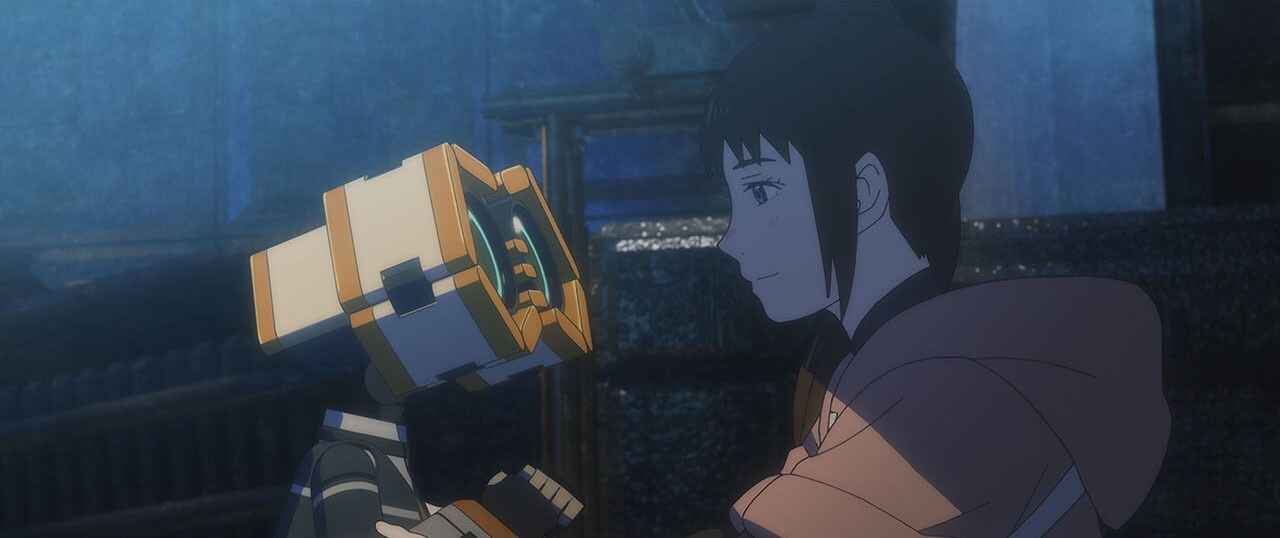
“I’ve mainly worked on quite serious works until now, but that said, I strongly think that range is important for storytelling,” Shiotani says. “That’s something that has always really resonated with me, especially when I was a kid. I really hope young boys and girls will like this work. It’s a standalone story, and it has some sad moments, but when I was creating it, I was hoping that maybe if a Dad out there is really into Star Wars, his kids might see the cute interactions between Teto and Kara and get inspired to check out more Star Wars together, too.”
Watch Star Wars: Visions on Disney+ now.