
How did the Scholastic Rebel Force covers project come to you?
Scholastic Books was looking to do something different for the books covers. They wanted a style that was bold and exciting. The job came to me by a little twist of fate. My art was discovered by Scholastic while they were making a visit to Lucasfilm. They saw a couple of my pieces of art that are hanging in the Lucasfilm halls, and they felt my art was the style they were looking for. I found out I was being considered for the book covers on the last day of Star Wars Celebration Japan. I was packing up our hotel room when I made one last check to my email. It was an unexpected surprise as I new nothing about the project beforehand. It was the perfect way to end a great trip to Japan.
Is this your first time creating book covers for Star Wars books?
This is my first project with Scholastic Books, and the first piece of Star Wars art that is part of Star Wars canon. It's really exciting for me, and a huge step up for my career. It's just really cool to be part of that legacy.
What is your process like for creating these book covers?
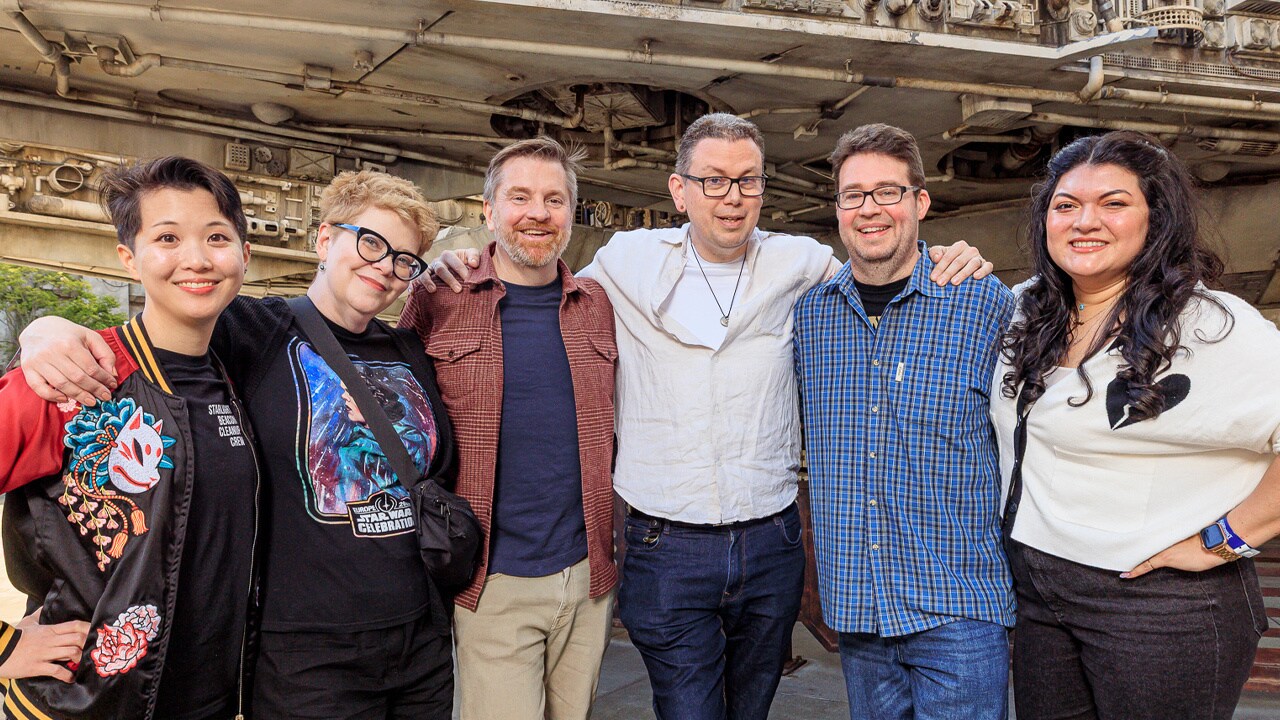
I have to say that working with Scholastic has been a dream. I have been working with Art Director Rick DeMonico who has made this project a breeze. The process starts with an email from Rick. He sends me three or four cover concepts, written out in two or three sentences. These concepts are what I will be setting out to interpret through illustration.
Along with it, I usually get a brief description of the story for some context. Sometimes the descriptions are very vague due to the secrecy of the storyline, so my first challenge is to stretch as much as I can out of the little bits of information I have been given. I then take that information and draw four to eight quick thumbnail sketches, just to get a basic idea. I mean, really basic stick figures and shapes.
If I'm drawing any of the main characters, I start looking for reference photos. This is a really important step because I need to find pictures where the lighting is similar on the faces. Matching the light source is crucial because you want the characters to look like they are sharing the same space. I go through hundreds of pictures until I find just a few photos that will work together lighting-wise. Once I find my photo references I draw a quick graphite sketches for all three to four concepts. Sometimes I will do a couple more if I think of something cool that might work.
Now the waiting game starts. Scholastic lets me know if the sketches are good for them. If not, I make the requested changes, still in sketch form. Once approved by Scholastic, the sketches are sent to Lucasfilm for final sketch approval. Once approved, I start the final art. At this point I know exactly what I'm supposed to draw so I can just go for it. Once I am done, I send it off for yet another approval process. At this point you keep your fingers crossed until they call you and tell you the work is ready for print.
For aspiring artists out there reading this, what kinds of materials do you use for your covers -- pens, paints, paper, computer, etc?
A lot of people are surprised when I tell them that, thus far, all of the illustration I do for these books are created with colored markers, and colored pencils on Bristol. That's it. I do use the computer when I need to create a lightsaber blade, but everything else that I do on my end is all by hand.
How collaborative is the process with Scholastic? Did they have specific instructions on how they wanted the characters to look, or were you give free reign?
It is a very collaborative process. The covers are actually a collaboration of my spot illustrations and the photo design Scholastic does in house. Rick and I work very closely to make sure the backgrounds work well with the spot illustrations. There is a lot of thought and process that goes into creating a good composition for each book.
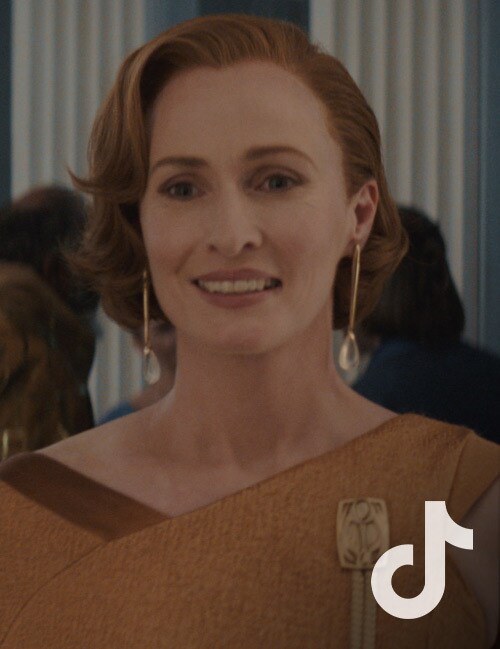
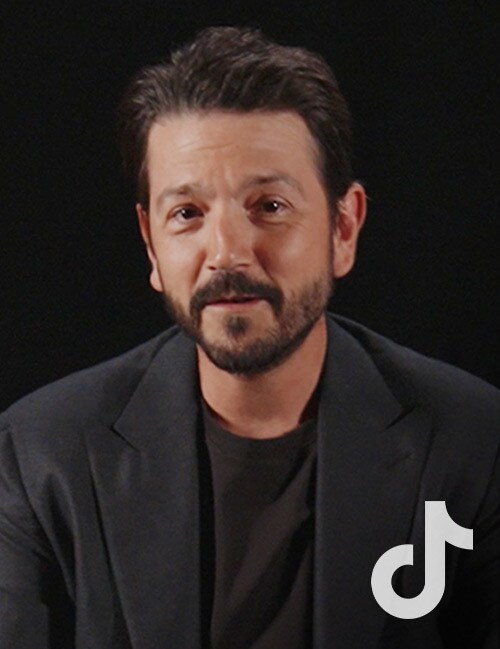
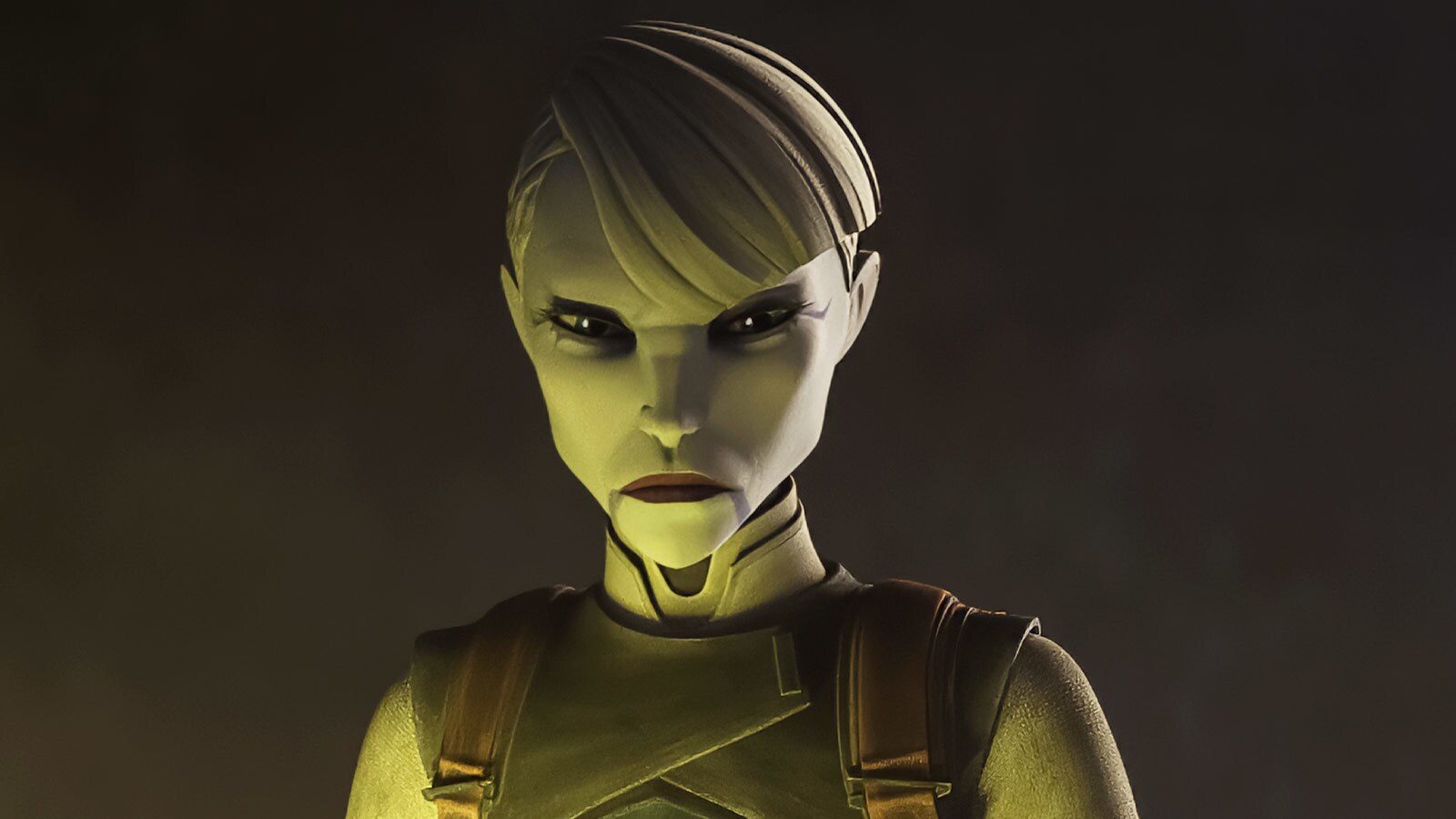
For the concepts, Scholastic and Lucasfilm work together to give me a basic idea of what I will be drawing. They let me know who will be on the cover, a little about the story, and any specifics concerning action or details. While they tell me what they want, they are really good about including my input. It's a give and take process. This was especially true when creating the character of X-7.