
![[ The Unifying Force ]](/eu/lit/novel/f20031104/img/20031104_1_sm.jpg)
For five years, the
Star Wars galaxy has undergone tremendous upheaval as the seemingly unstoppable forces of the
Yuuzhan Vong continue their tireless invasion. The epic storyline of The New
Jedi Order has forever changed the Expanded Universe -- heroes such as
Chewbacca and
Anakin Solo are among the casualties, and entire worlds such as
Coruscant and Ithor have been sundered or altered by war.
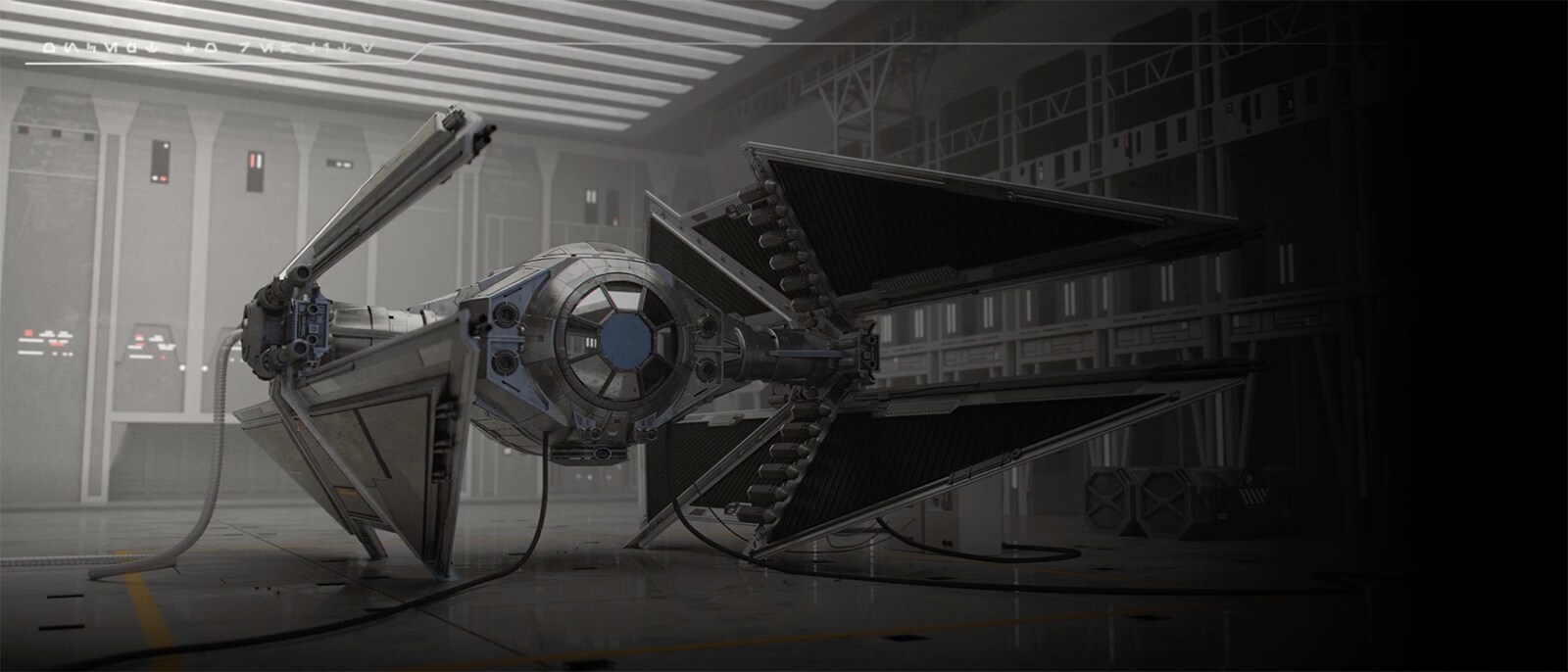
The saga draws to a close with The Unifying Force by James Luceno, the final book in the series, available this week in hardcover. First edition printings of the novel include a bonus CD-ROM of additional material: the entire text of Vector Prime, the first novel of the series; an exclusive interview with the creators of the New Jedi Order storyline, an excerpt from The New Jedi Order series bible describing the Yuuzhan Vong, and select artwork from The New Essential Guide to Vehicles and Vessels depicting key vessels from The New Jedi Order series.
Here is an interview with author James Luceno conducted by Del Rey Books, and an excerpt from the novel.
The Unifying Force is your third New Jedi Order novel, after the Agents of Chaos duology, Hero's Trial and Jedi Eclipse. But your involvement with the series goes back to the beginning, both as a writer and behind the scenes. Can you tell us a little bit about how you became involved and what your contribution has been?
My involvementinitially as a kind of consultantcomes from my having overseen and co-written the Robotech series, which was also a multi-book sf saga. For The New Jedi Order I attended most of the writers meetings at Skywalker Ranch, helped draft and refine both the original outline and the series bible, read and commented on individual manuscripts, and, with Dan Wallace, expanded the Star Wars galaxy map. Editor Shelly Shapiro and I conferred throughout the series, and, when weŽd reached the halfway mark, reassessed what we had done, pondered what still needed doing, and scratched our heads over how things should wrap up.
The New Jedi Order comprises nineteen novels in an intricately linked storyline related by a dozen different writers. What are your feelings upon bringing this immense undertaking to a close after so many years?
In a word: relief. At the start of the project, it seemed we had all the time in the world to see the story through. But MurphyŽs Law quickly asserted itself, and before we knew it we were playing catch-up. Often three writers would be working on books simultaneously, and revision due dates were often in conflict with those of the authors' non-Star Wars novels. For all their devotion to the series, Shelly and Sue Rostoni (at Lucasfilm) were frequently forced to turn their editorial talents to other projects. On top of that, there were canceled books, last-minute alterations to the story arc, illnesses, and all sorts of other obstacles to surmount.
What were some of the low points for you personally in working on this project? The high points?
From the start, The New Jedi Order drew a sizable readership, even in the face of competition from the prequel novels, the comics, and other Star Wars related series -- and despite being handicapped by the fact that the core characters had already been taken through so many twists and turns. So there's some sense of accomplishment in having been able to hold the interest of so many readers. It was also gratifying to see Troy Denning, Greg Keyes, Matt Stover, and others receive much-deserved acclaim for their individual efforts. An obvious low point might be fan reaction to Chewbacca's death, but I expected no less. It was more depressing to see failures in character and plotline continuity creep into the series. On a personal note, conflicting fan reaction to my books kept me from knowing just what I was doing right, or wrong.

Your books being Hero's Trial and Jedi Eclipse, the fourth and fifth books of the series; now you've written the final volume. Did you know you would be writing this book when you were working on the first two? How much of the over-arching series plot was known to writers in advance, and how much were you able to make up as you went along?
I didnŽt know in advance that IŽd be writing the final book. But because I had been with the series since its inception, and had the advantage of having been privy to just about every idea that had been tossed around, I emerged as the sort of default choice. But copying every writer on every piece of email would probably have resulted in total confusion and too many points of view regarding plot points. The overarching story arc was known to everyone involved, but all of us had plenty of space to maneuver, in terms of secondary plots and character development. This turned out to be both a blessing and a bane. The specifics of the somewhat-revised story arc were known to only a few writers, and we were still making discoveries even after I had delivered a first draft of The Unifying Force. At one point, I recall having a list three pages long of plot threads that needed closing!
One of the central themes of the series has been to investigate and resolve inconsistencies, one might even say paradoxes, in the way the Force has been presented or understood in previous novels and in the movies. For example, there is the mystery of the Yuuzhan Vong's immunity to the Force, as well as disagreements between the Jedi about the nature of the dark side. Given all this, how much should fans read into the title, The Unifying Force?
The title is meant to operate on several levels, and I remember my excitement on learning that Lucasfilm had approved its use. In the prequels, the unifying Force is defined as being more future-oriented and concerned with the consequences of actions -- even seemingly right actions. The living Force has more to do with being mindful of the present. The title plays to that distinction. At the same time, what remains of the New Republic is amassing a unified force of fleets to hurl against the Yuuzhan Vong. And by extension, the title could also refer to the so-called Shamed Ones, outcast Yuuzhan Vong who become pivotal in the end stages of the long war.
Another theme has been the natural process of life: birth, maturation, death. We've seen the deaths of Chewie and Anakin; we've seen the birth of Luke and Mara's son, Ben; we've seen the maturation of Jaina and, especially, Jacen, whose link to the Force seems to grow beyond even Luke's. At the same time, on a larger scale, the same processes have unfolded in personal relationships, in political systems, in the clash of races and of civilizations. The same thing, like a universal law, seems to be operating on all these different levels; is it the Force?
I feel on safer ground saying that it is different authors writing about the Force. Many an NJO plot point grew from the series outline itself; things were discovered along the way, as a kind of epiphenomenon of the creative process. As depicted in the films, the Force appears to operate in a similar fashion. I guess you could say that we were at least attempting to ally ourselves with the Forceto write in harmony with it.