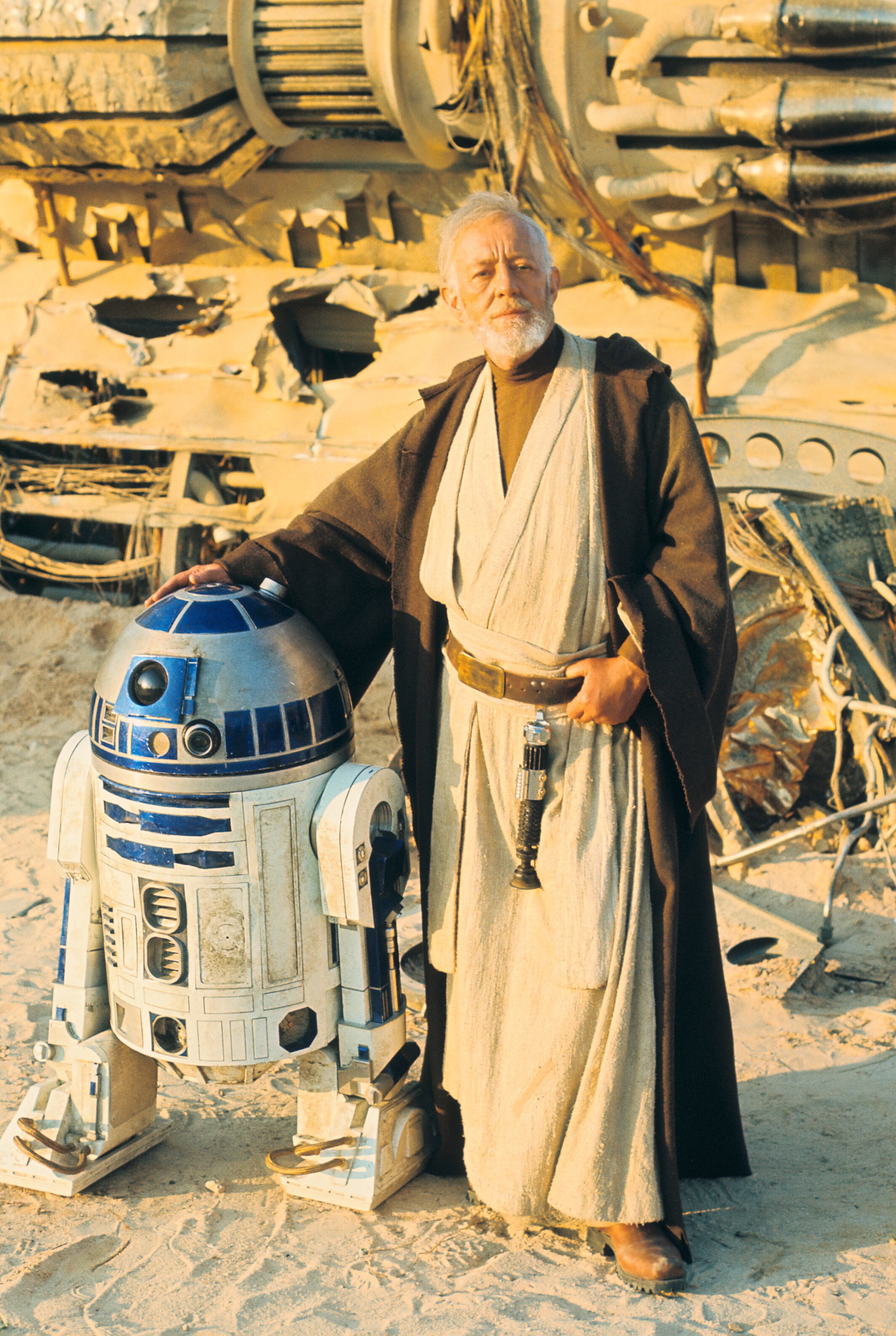
All the while, I was quickly finding that, without adequate visuals, I was both uninterested in and confused by the screenplay. In fact, I'm not sure I ever actually read every single word of it before I scripted the final page of issue #6. Howard and I chatted occasionally about how it was going, but mostly I left the pacing to him: "Hey, just break it up at a dramatic point every time you finish roughly one-sixth of it!"
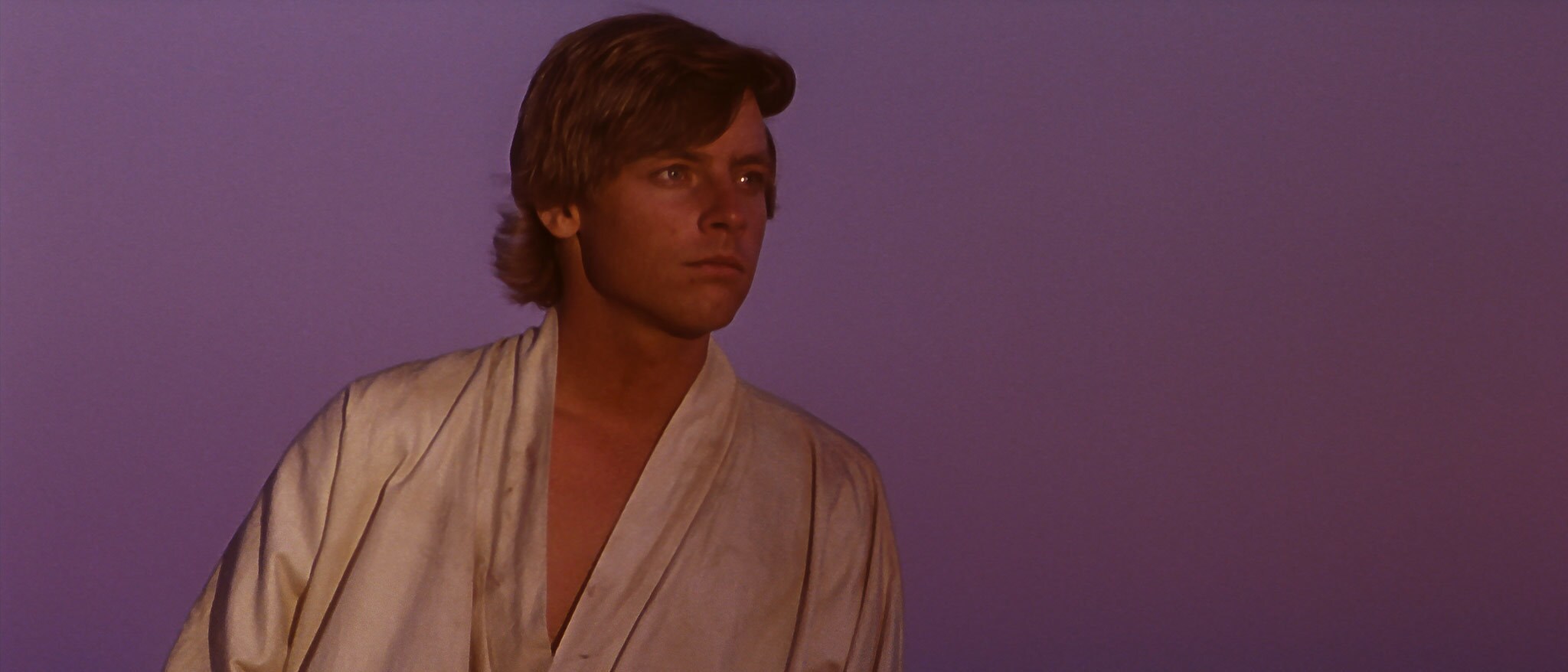
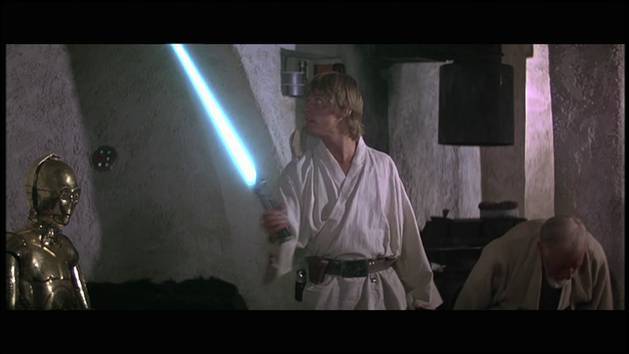
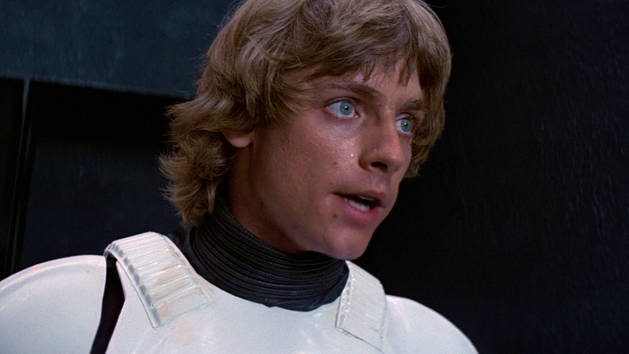
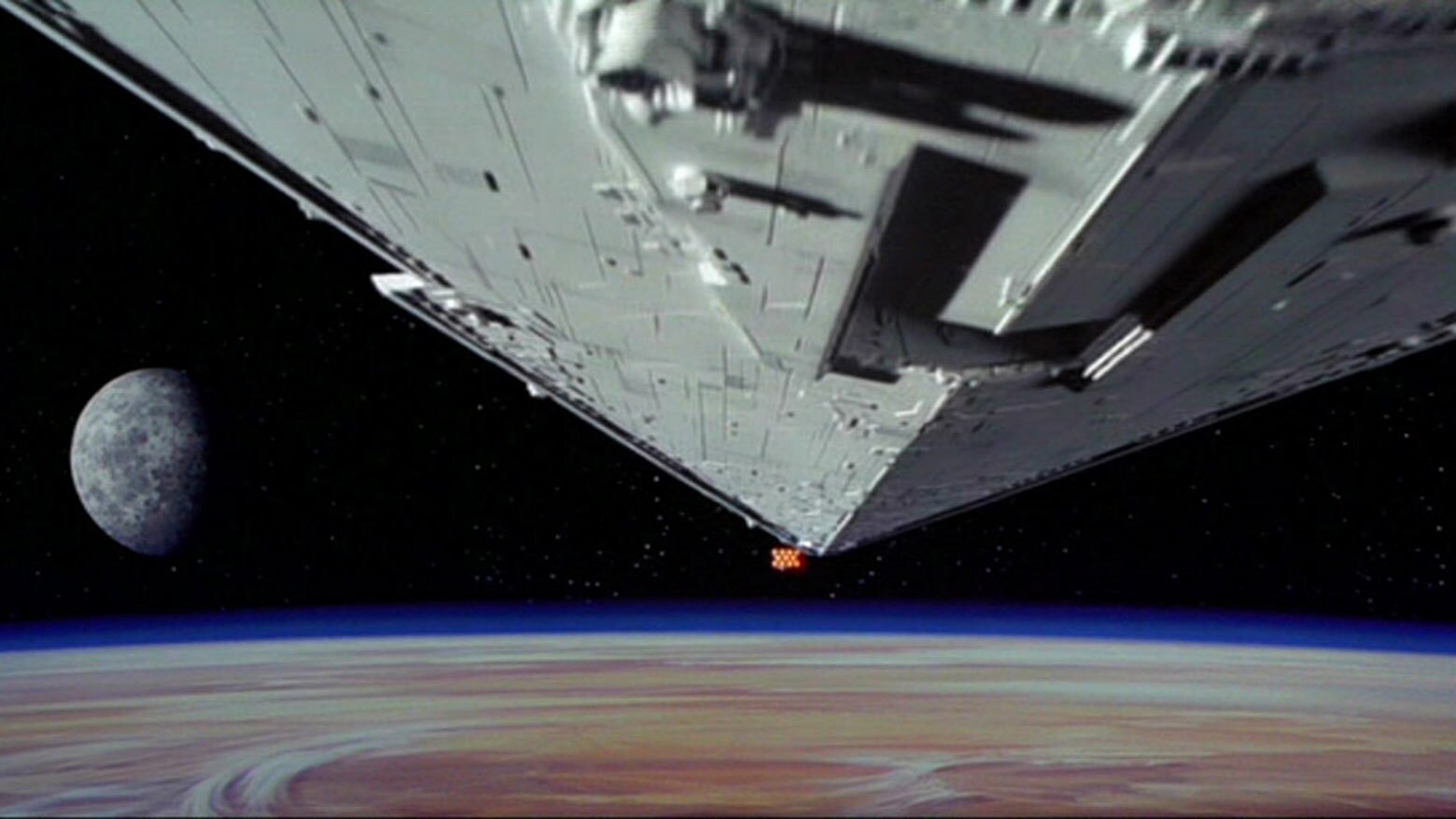
Still, the concept was a corker, and as fast as Marvel forwarded Howard's penciled pages, I adapted the screenplay's prose -- utilizing more of its scene-and-action description in captions than I would if I had it to do over -- and shipped those pages off to a letterer, who then sent them back to Howard (probably via Marvel) for inking, with Howard penciling future pages in between. Howard, I believe, made at least one trip from New York to Charley's office in L.A. to choose stills that would help him with the adaptation. But while there were production drawings of many of the special effects, they mostly weren't in any of the stills, as they were only then in the process of being added.
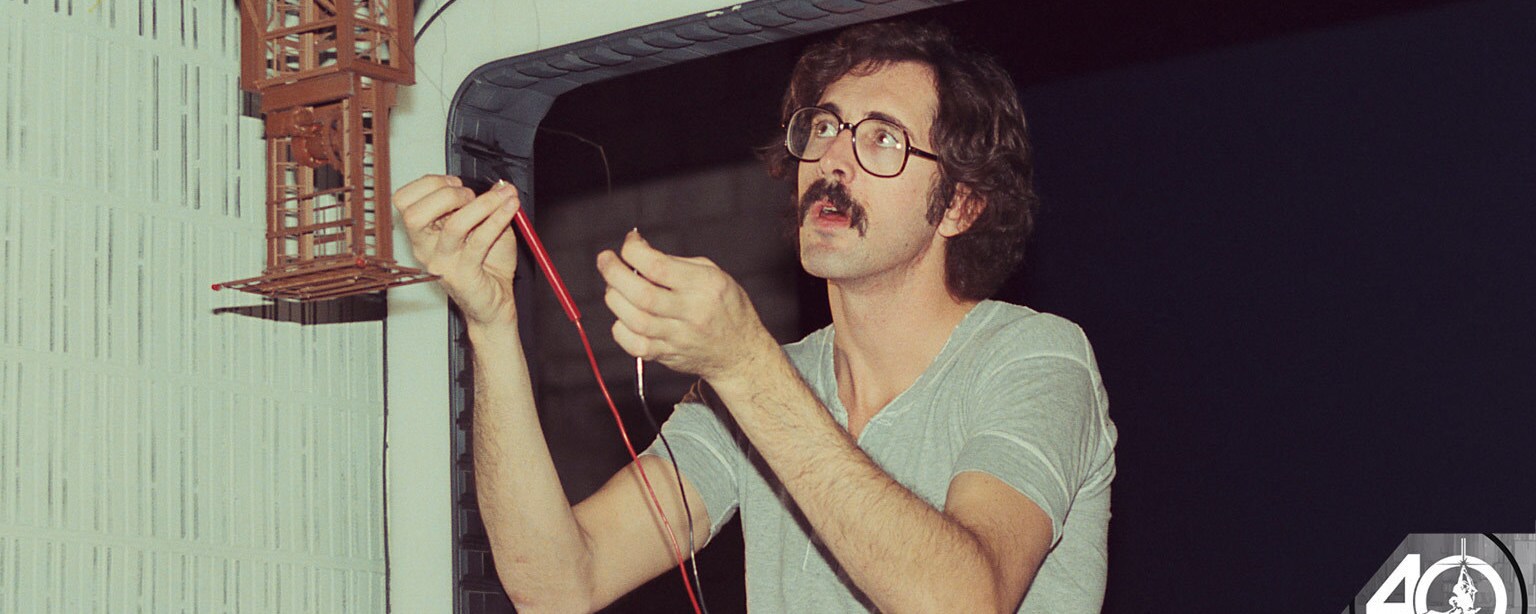
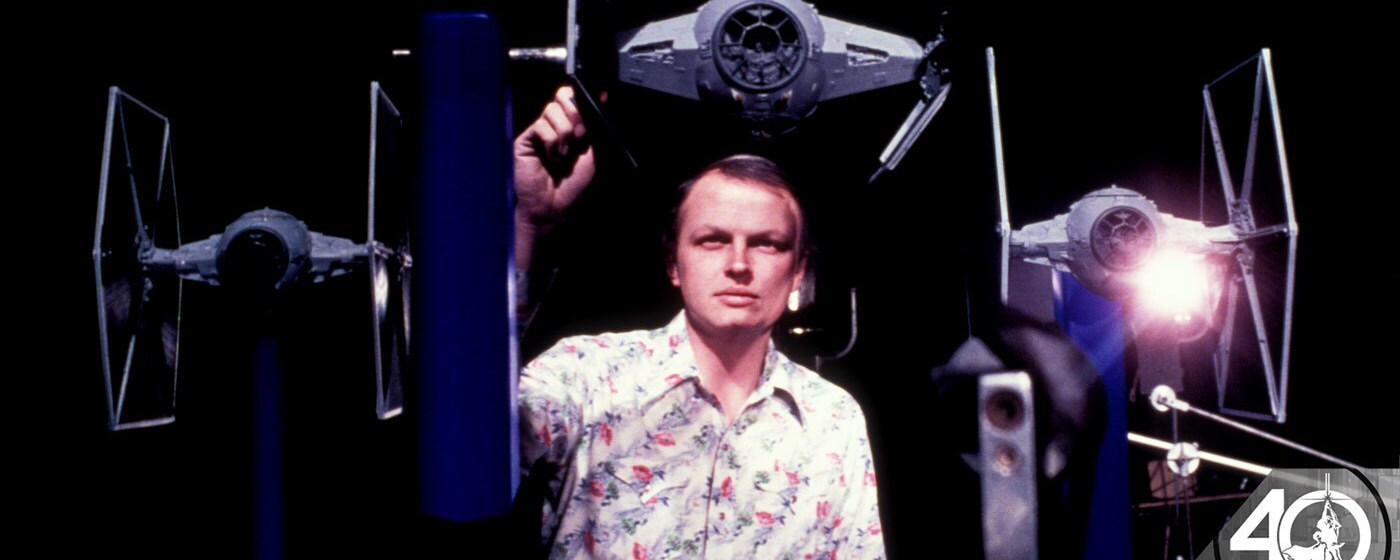
Sometime after my summer 1976 move to L.A., I spent a pleasurable afternoon at the first headquarters of what was later dubbed Industrial Light & Magic, George's technical-effects company, temporarily located in a warehouse somewhere in the suburb of Van Nuys, in the sprawling San Fernando Valley area of the city. Mostly I recall looking at the Death Star mini-exteriors which had been built, or so it looked to me, out of a million Aurora model kits, on a table that seemed to stretch on forever. The young crew there seemed excited about what they were doing.
About this time, alas, Howard Chaykin decided that, after #1, he could do only rough pencils ("layouts") for future issues, rather than full penciling and inking. It seems to have had something to do with a deadline crunch of some kind. So artist Steve Leialoha was brought in at Howard's suggestion to finish the job on issues #2-plus. Steve is a talented artist who has gone on to do great work, but somehow the Chaykin/Leialoha combination didn't jell as well as we'd all hoped. Probably Steve found Howard's sketchy layouts difficult to follow -- and probably no embellisher would've been able to turn them into work that looked like pure Chaykin -- especially in so little time. Most of the art looks pretty good, I think. Before long, though, it was made known to me that George, Charley, and company were not happy that Howard wasn't doing the full illustration. I told them there was nothing I could do about it. Howard was a freelancer, and I couldn't chain him to a drawing board. (As it happened, for reasons I no longer remember, the sixth and final movie-adaptation issue was penciled over Howard's layouts by another young West Coast artist, Rick Hoberg, with inking by his friends Bill Wray and Dave Stevens.)
Along the way, though, Howard and I took time to help start a comics convention tradition which I'd just as soon retroactively abort. Charley Lippincott arranged for the three of us to do a program together at the July 1976 San Diego Comic-Con -- probably the first time a movie company had gone all-out to woo hardcore comics fans with its upcoming product. The three of us, wearing prototypes of what was doubtless the earliest Star Wars t-shirt ever (this was 9 or 10 months before the film opened, remember), sat on the stage and fielded questions from an enthusiastic audience about both film and comic. I had no premonition at that time that, only a few years later, I would react with revulsion to what had quickly become a common sight at comics conventions -- a bare handful of people showing up to see and hear a longtime and respected comics creator speak, while, down the hall, hundreds of fans tried to cram into a room to gawk at slides of a fantasy film that would be released (often to bad notices and worse business) some months later.
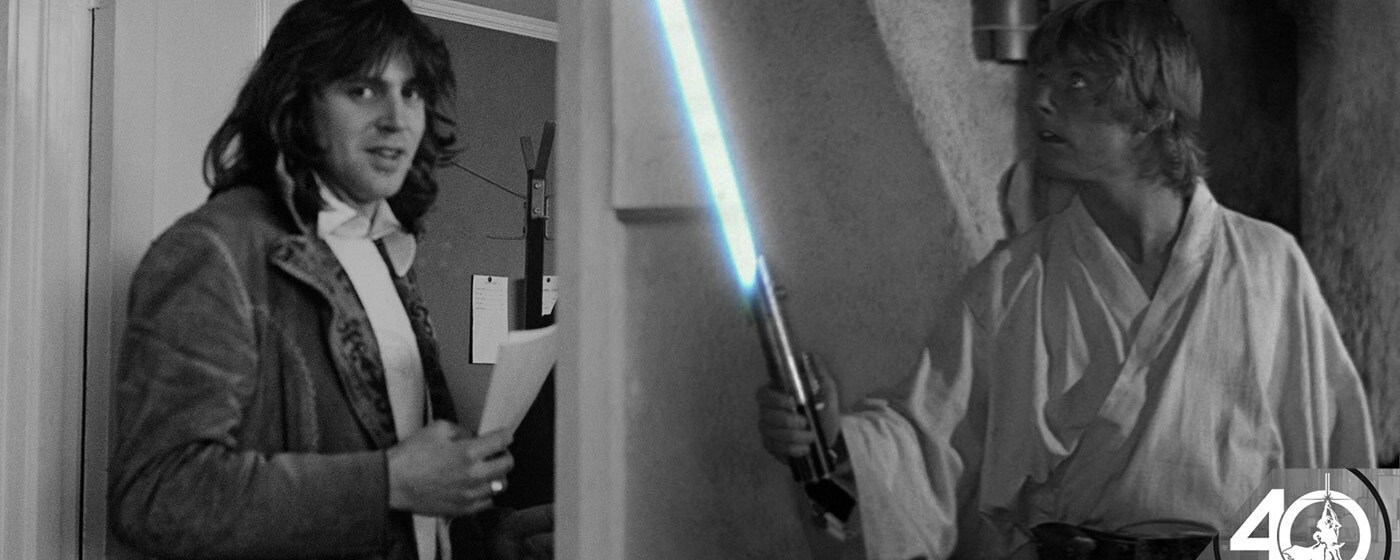
Still, working on the Star Wars comic had some nice fall-out for me. I spent a bit of time on the Universal lot, where I kept hoping to get a glimpse of Alfred Hitchcock, whose office Charley and I strode past on an occasion or two. I never did. (Charley regaled me at some point with a story of how he'd been in a group of people a year or so before having dinner with Hitchcock -- who had proceeded to order for all of them, even though he'd never met Charley before. Apparently actors weren't the only people who should be treated like cattle.) On one of those trips to Universal, I was introduced in passing to the then-virtually-unknown Harrison Ford in Charley's office, and was told he was playing Han Solo; on another, I chatted with the secretary whom Mark Hamill would marry soon thereafter.
Who knew?