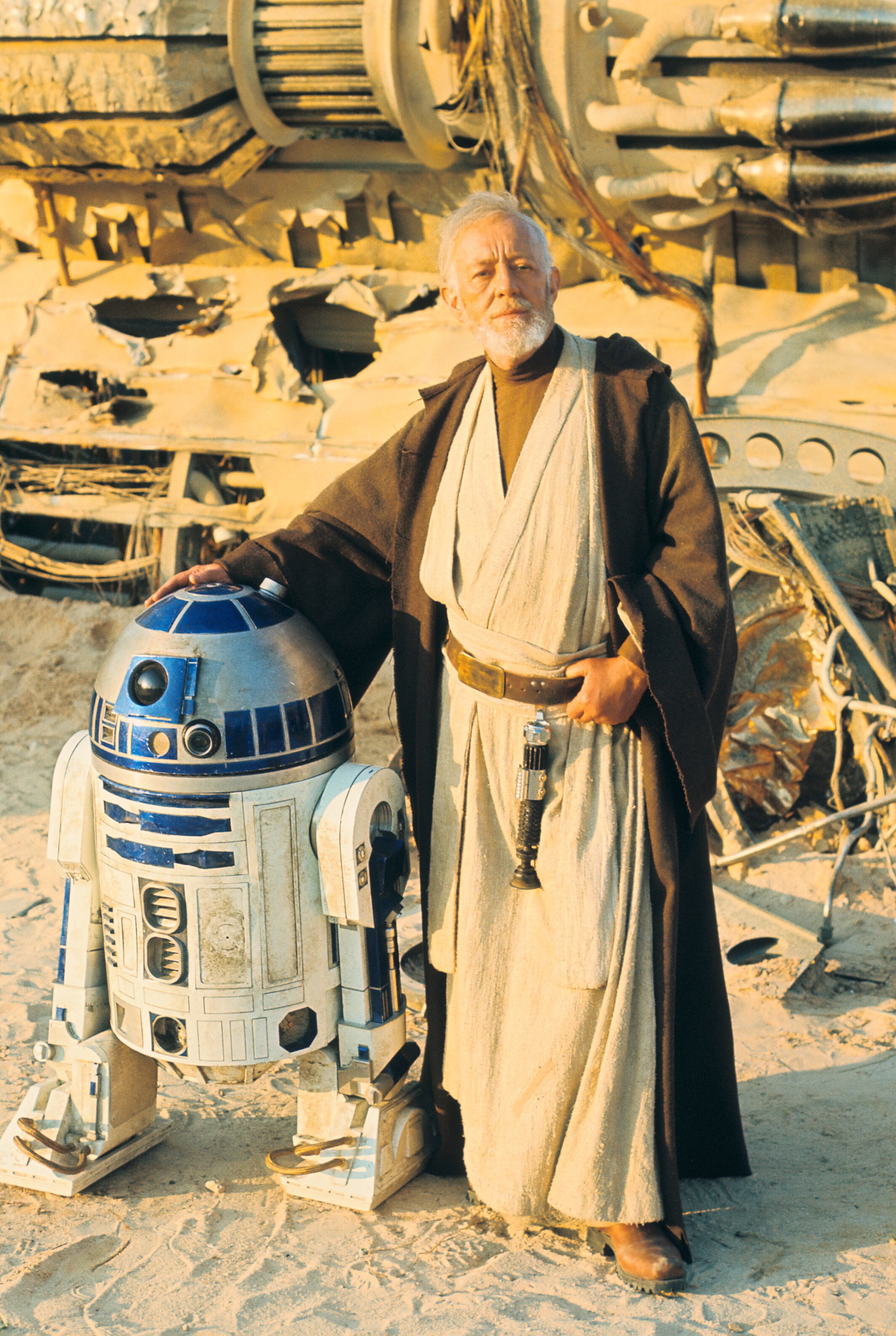
In the beginning there was chaos.
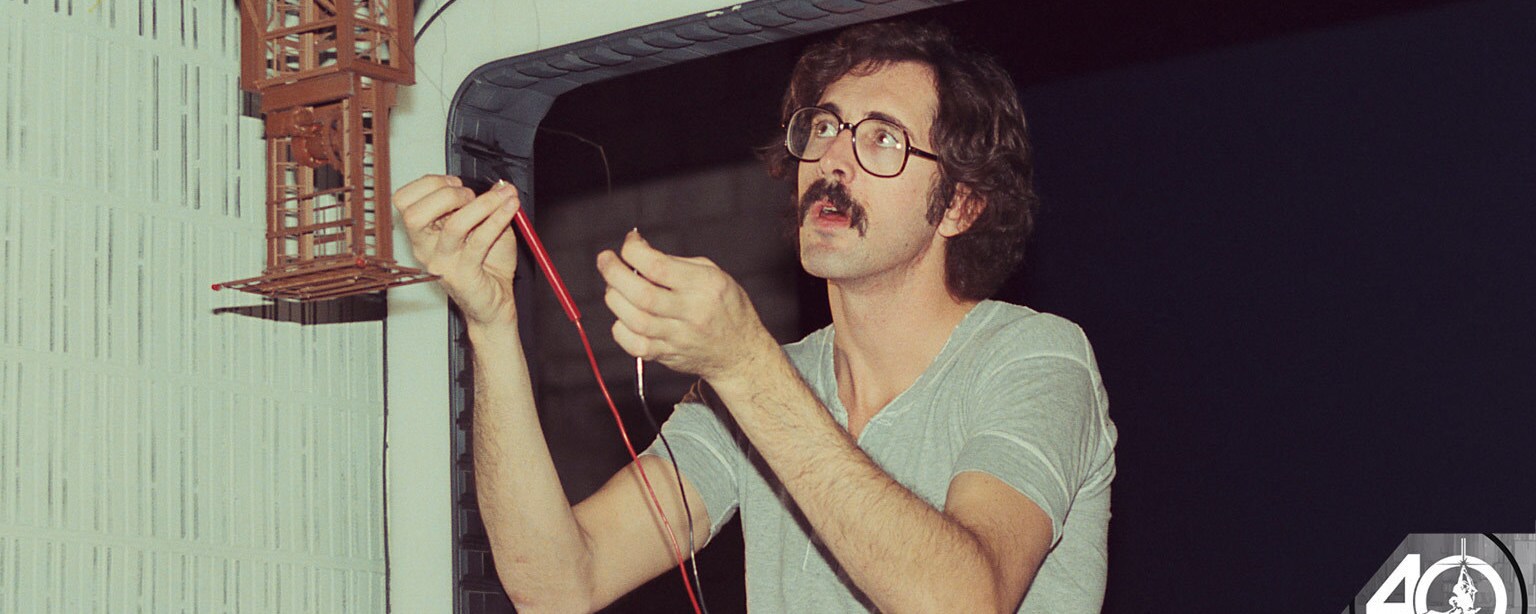
Piles of "stuff" in closets, warehouses, cubbyholes and corners. This "stuff" consisted of the thousands of props, miniatures, creatures, models, costumes and paintings used to film the Star Wars Trilogy.
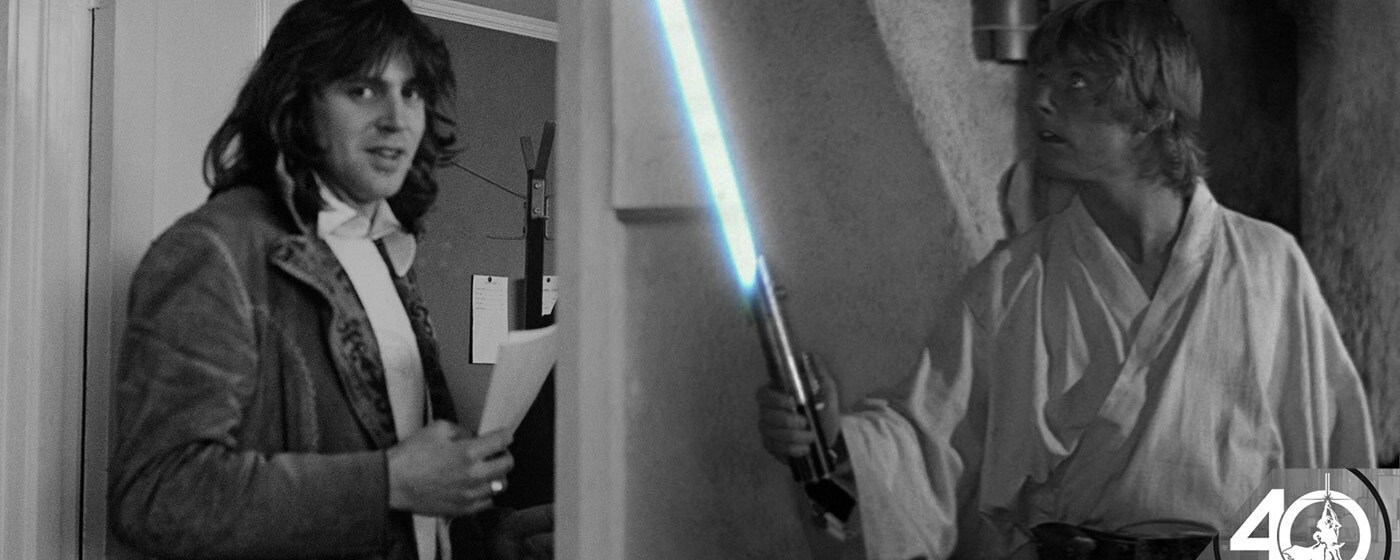
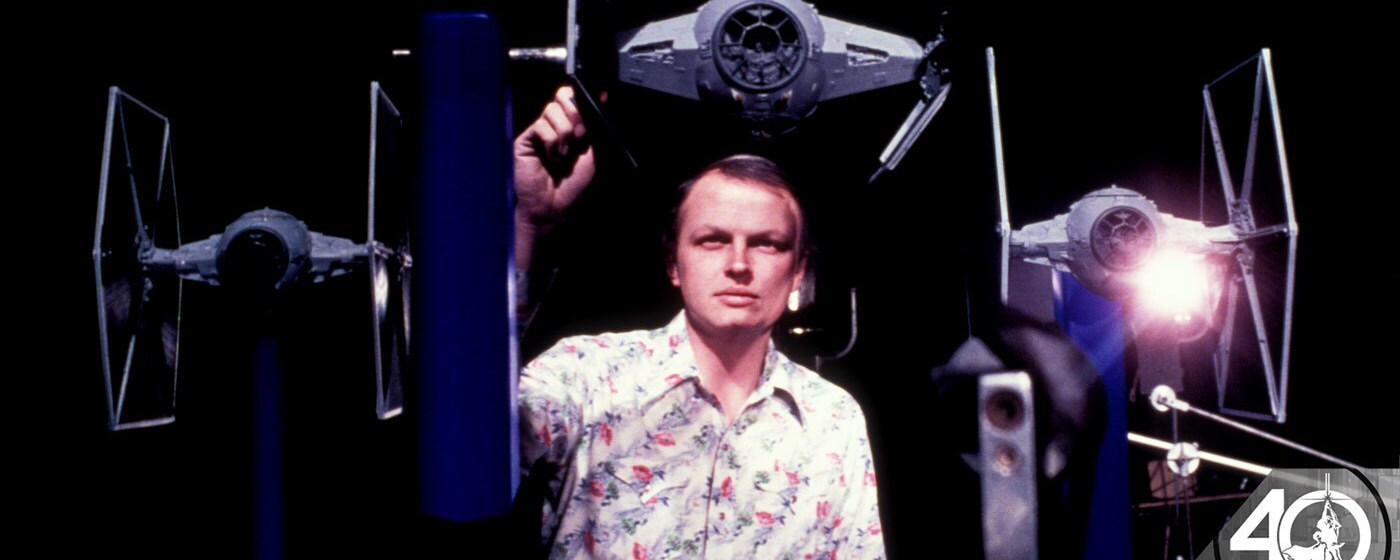
After posing for a publicity shot surrounded on all sides with piles of these miniatures and props,
George Lucas took a look around and realized just how much "stuff" there was. An archive was a necessity if all of these pieces were to be preserved.
So with the goal of preserving the art and artifacts with the same care as would a museum, the process of constructing the archive building began. Since 1992 the collection has been stored in a huge two-story environmentally controlled building on Skywalker Ranch.
Preserving and cataloging the collection is an ongoing process. The collection includes not only objects from the Star Wars Trilogy, but also from several other movies including the Indiana Jones trilogy, American Graffiti and Willow. The collection continues to grow with new artifacts such as models of the planet of Coruscant used in the celebration scenes of Return of the Jedi Special Edition.
Conserving the artifacts is difficult because they were not originally created to last and because they are made of many different types of materials. Latex, plastic, metal, fabrics, and fur all require special care. The archivists are always looking for new and better methods of storage to slow the deterioration of the artifacts.
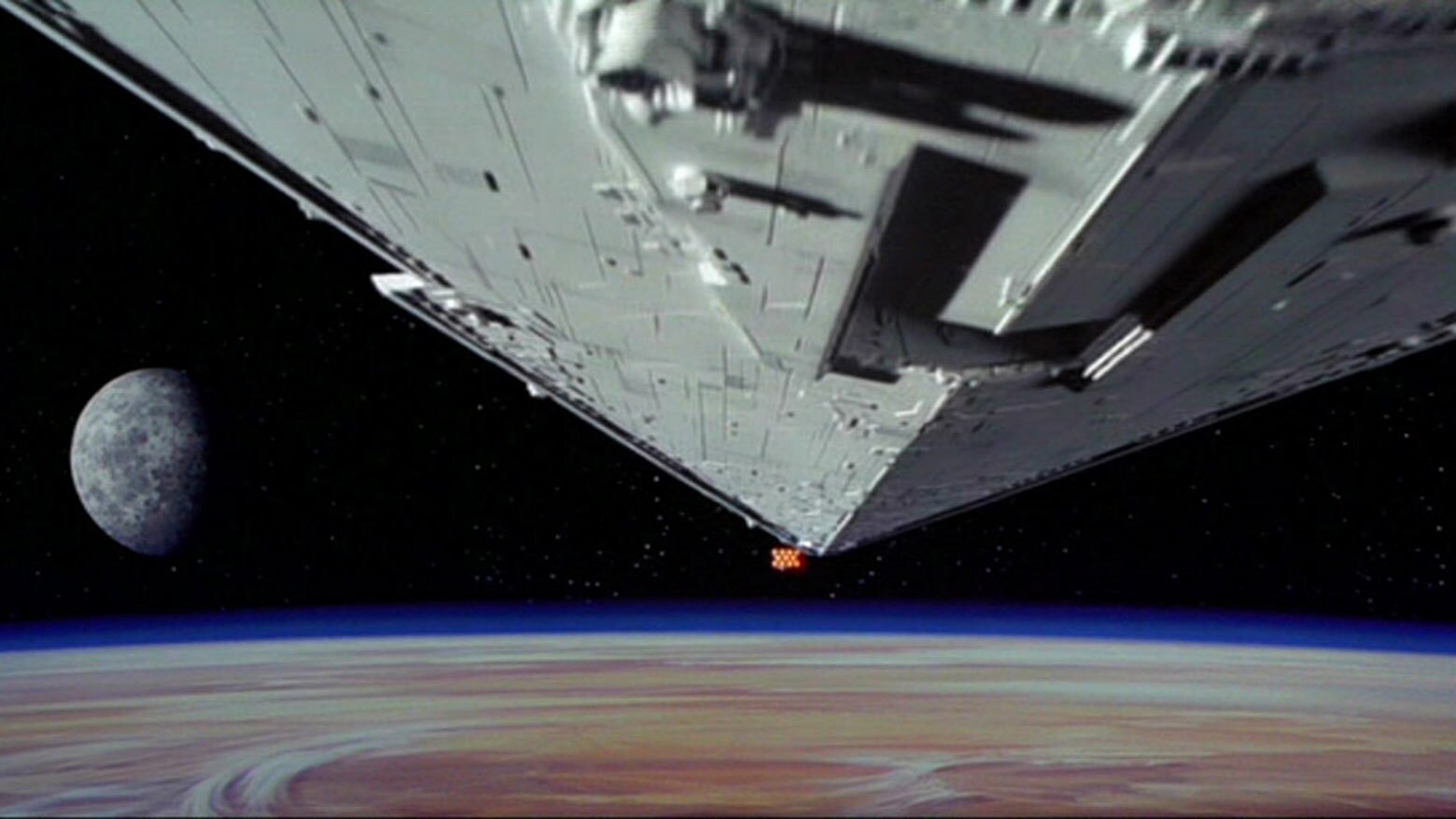
The archive includes a "Hero" aisle, a space not only for storage but also for displaying some of the more fantastic articles from the collection. A model of the Death Star under construction from Return of the Jedi, the Imperial Star Destroyer, X-wings, Han Solo in carbonite, and the wampa snow creature puppet are all carefully stored, cataloged and displayed.
The archive houses: models -- the spaceships, vehicles, miniatures of sets, and items used in special effects sequences; creatures -- including hand puppets, masks, creatures in miniature scale for stop-motion photography; props -- weapons, clothing, artifacts; costumes -- uniforms, full-body suits, costumes of principal characters; paintings -- matte paintings designed to create the illusion of a large set, and larger backdrop paintings; art work -- the sketches, drawings, production paintings, storyboards, costume and set designs and set blueprints.
The archive was critical for adding new scenes and special effects to the Star Wars Trilogy Special Edition. From the original dewback's rubber head used in Terryl Whitlatch's design, to stormtrooper costumes used in filming additions to the scene, the archive supplied the needed artifacts and reference material that made enhancing the Tatooine dunes sequence possible.