All Films
- Star Wars: The Mandalorian and Grogu
- Star Wars: The Rise of Skywalker (Episode IX)
- Solo: A Star Wars Story
- Star Wars: The Last Jedi (Episode VIII)
- Rogue One: A Star Wars Story
- Star Wars: The Force Awakens (Episode VII)
- Star Wars: Return of the Jedi (Episode VI)
- Star Wars: The Empire Strikes Back (Episode V)
- Star Wars: A New Hope (Episode IV)
- Star Wars: Revenge of the Sith (Episode III)
- Star Wars: Attack of the Clones (Episode II)
- Star Wars: The Phantom Menace (Episode I)

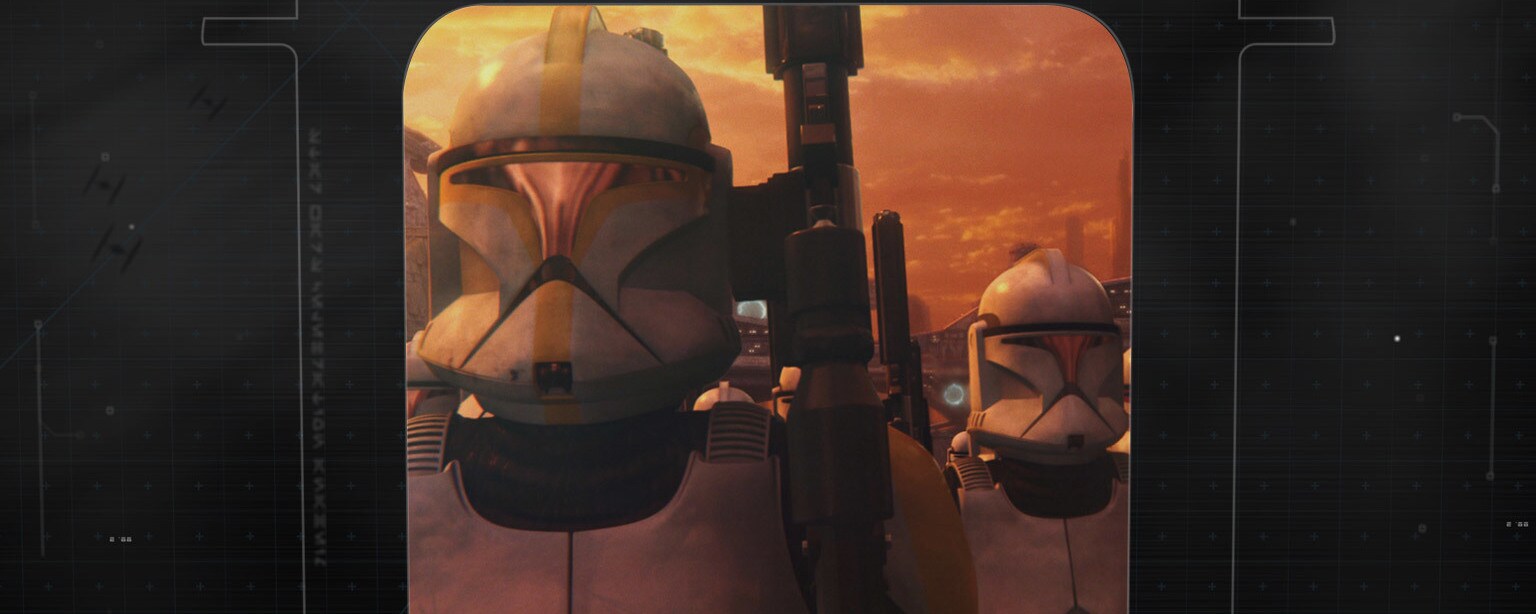
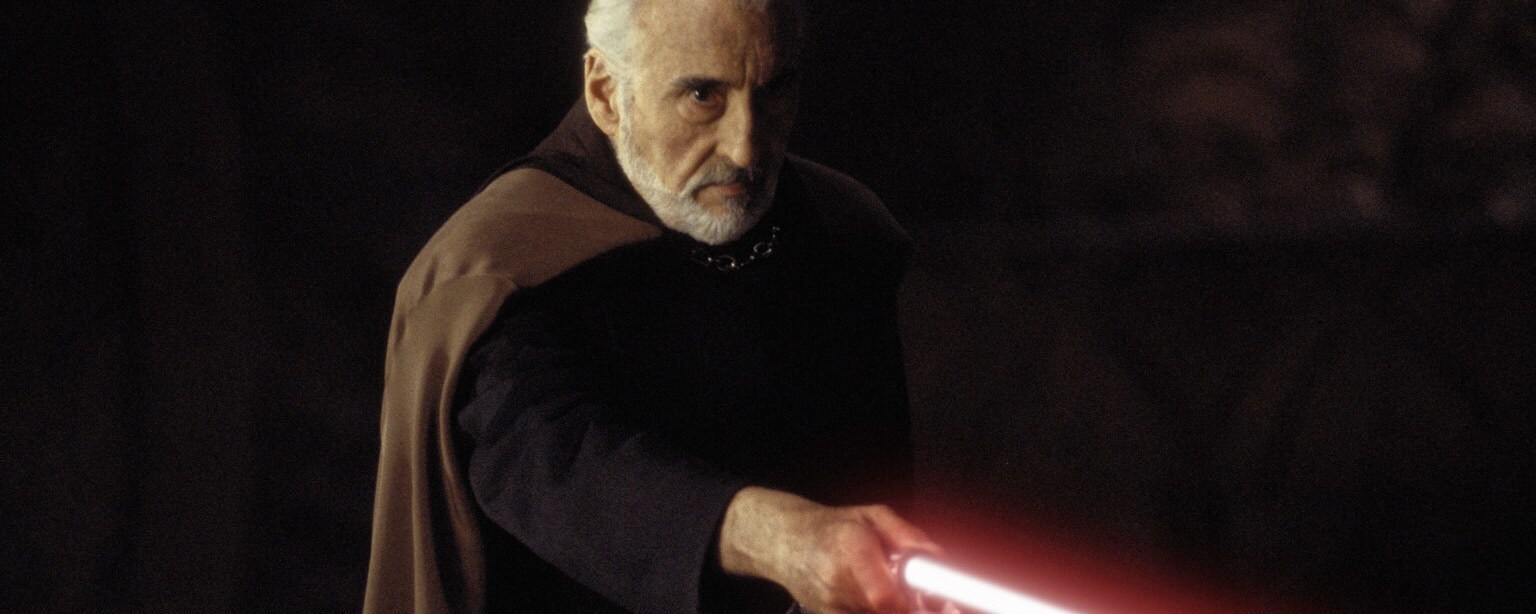
Star Wars: Attack of the Clones (Episode II)
Watch the seeds of Anakin Skywalker's transformation take root in Star Wars: Episode II - Attack of the Clones. Ten years after the invasion of Naboo, the galaxy is on the brink of civil war. Under the leadership of a renegade Jedi named Count Dooku, thousands of solar systems threaten to break away from the Galactic Republic. When an assassination attempt is made on Senator Padmé Amidala, the former Queen of Naboo, twenty-year-old Jedi apprentice Anakin Skywalker is assigned to protect her. In the course of his mission, Anakin discovers his love for Padmé as well as his own darker side. Soon, Anakin, Padmé, and Obi-Wan Kenobi are drawn into the heart of the Separatist movement and the beginning of the Clone Wars.