![[ Lucas and McCallum on TPM DVD ]](img/epi_dvd_sm.jpg)
As the final details surrounding
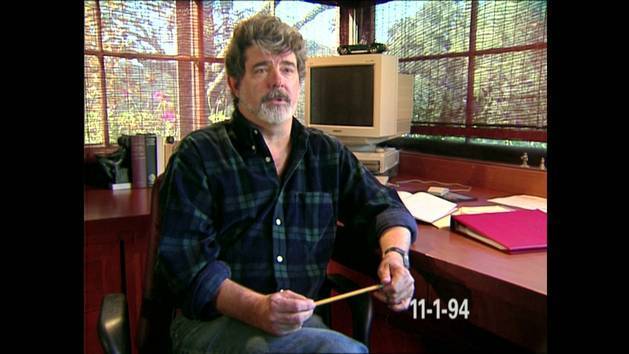
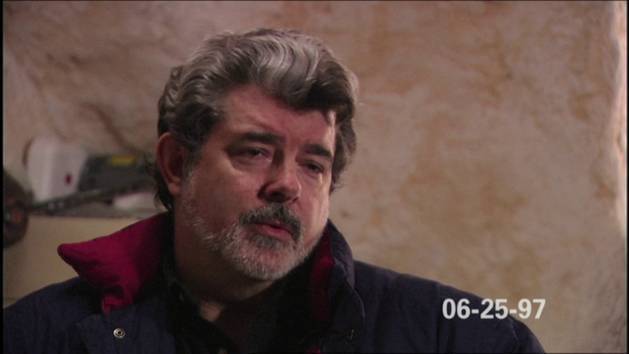
The Phantom Menace DVD release are being wrapped up, members of the press made their way to Skywalker Ranch for a sneak peek of the two-disc set. Some members of the DVD team took time from their schedules to answer questions about the project, including Episode I's Producer,
Rick McCallum, and Writer/Director
George Lucas.
"We knew we didn't want to do the typical thing that happens," said McCallum. "There's a video master out there for the videocassette, and then somebody takes that, throws it down, and lays it out on the DVD. You then have 15 minutes of 'How great it is working with George' and 'Isn't Rick nice' and 'His hair is weird' and all the other strange stuff that you get. We wanted to make it special, but that takes a real long time. I think it really is like making another small movie."
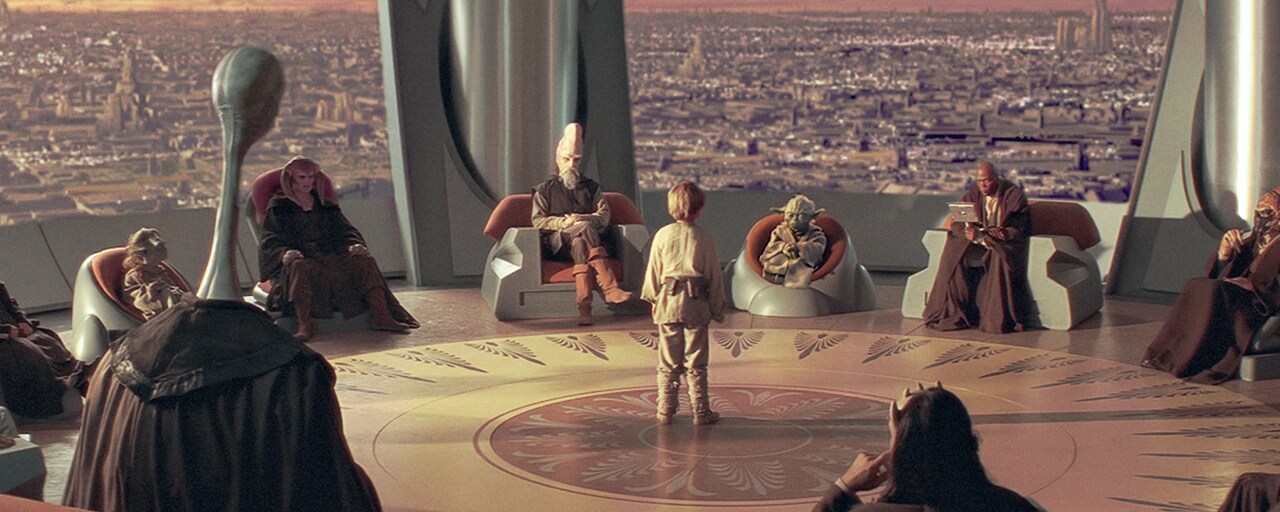
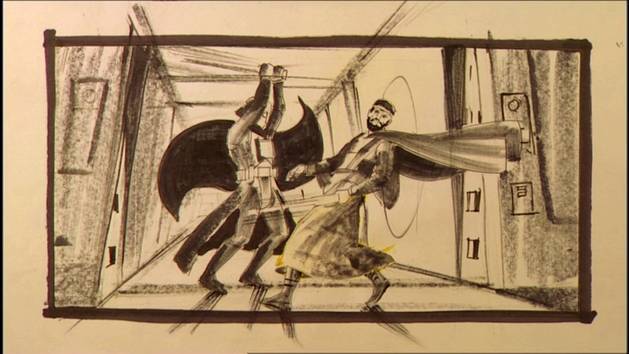
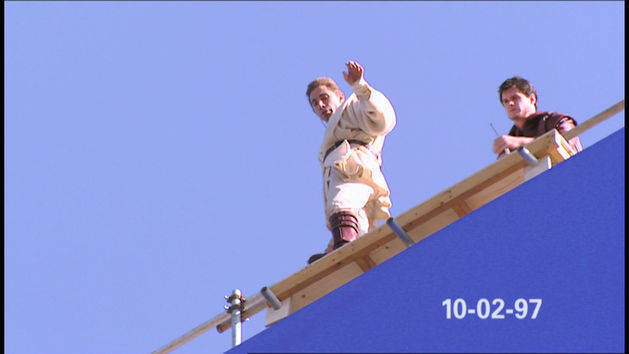
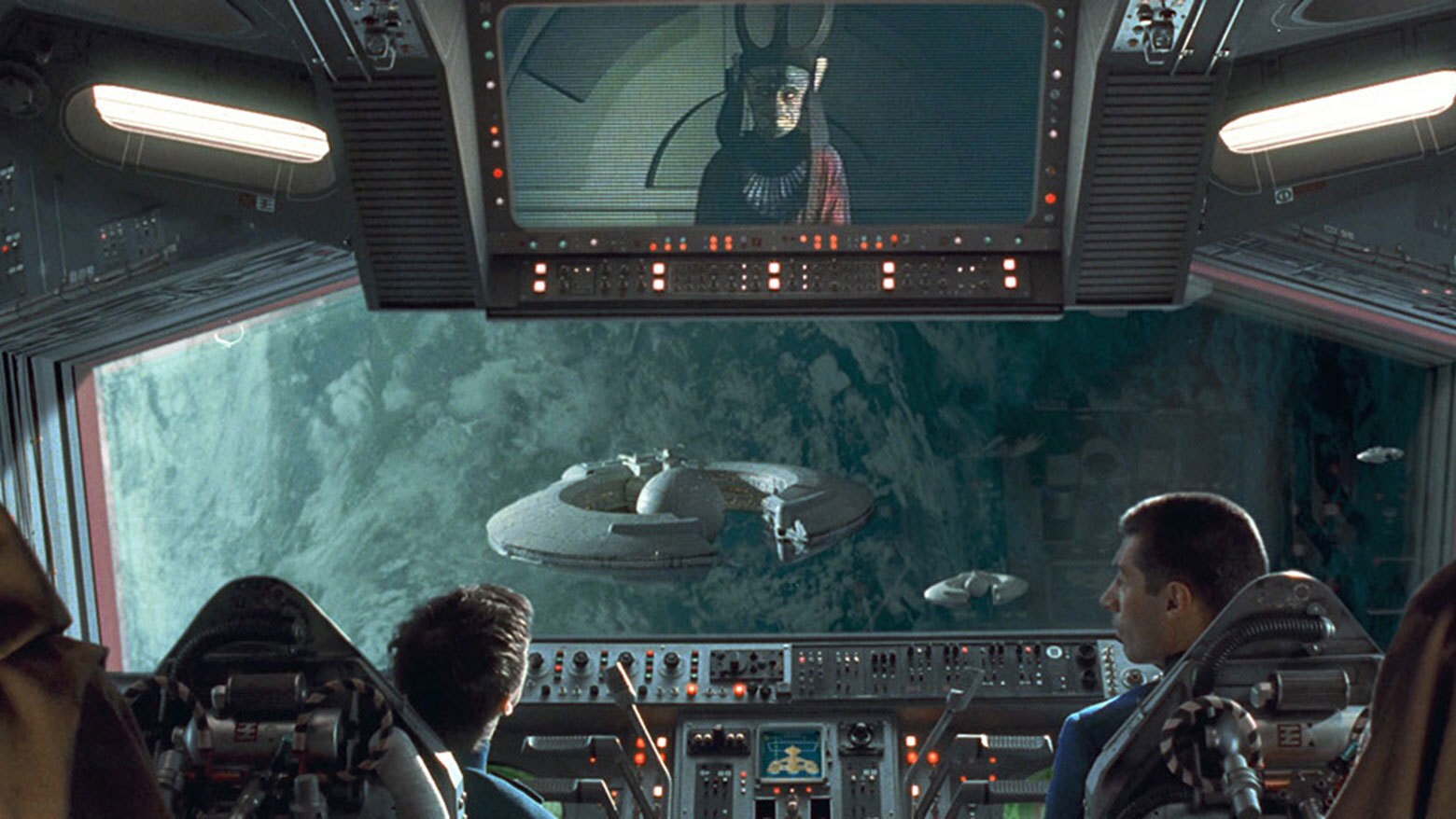
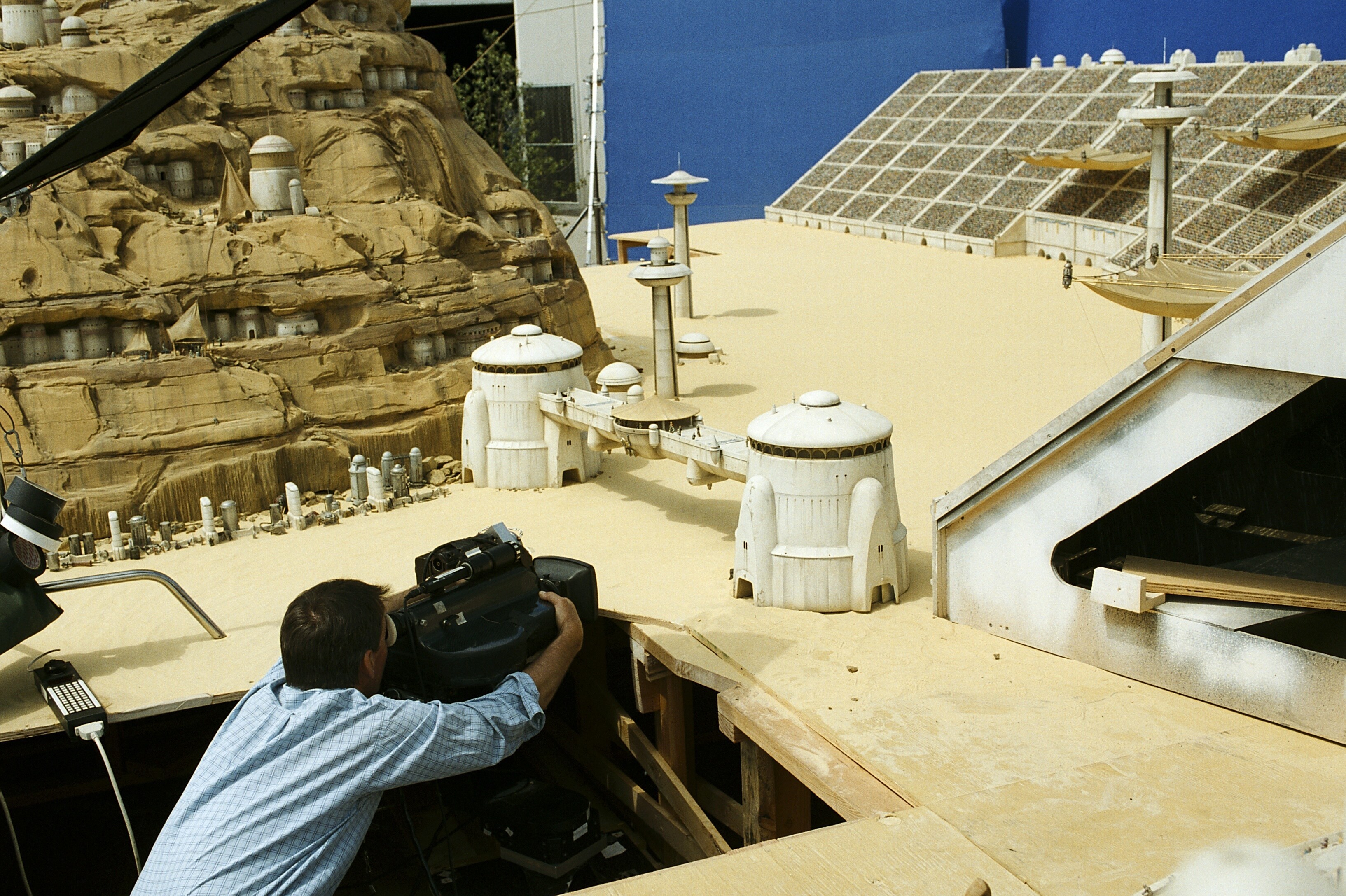
That process began when Lucas decided to attempt to complete scenes originally planned for the film but left out of the theatrical release. While the inclusion of deleted scenes is not new to the DVD format, for an effects-filled film like Star Wars any sequences that don't appear on the big screen were discarded while they were little more than an actor in front of a bluescreen.
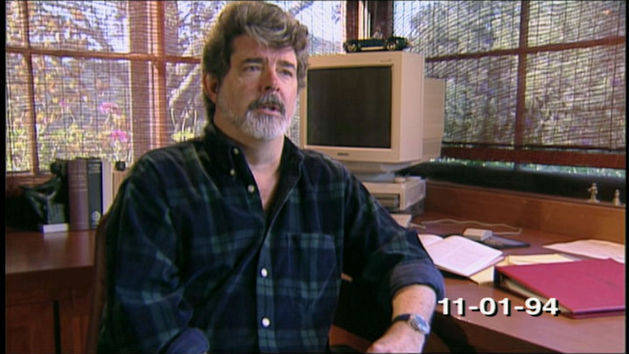
"It's very hard to make this kind of movie because it's made in theory. And then at the very end you get to see it finished," explained Lucas. "Normally, you'd do a rough cut of a movie that's pretty much the movie. But with this kind of a film, pieces haven't even been shot yet, in a lot of cases. I wanted to do the scenes that were taken out. And I really needed to have the people who were involved in it do it. If I'd waited for another four years, it wouldn't be as easy to accomplish all that."
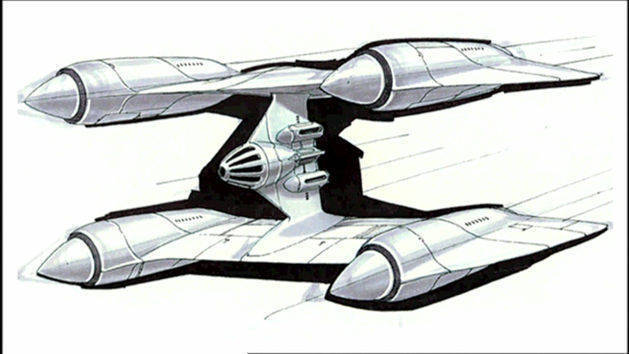
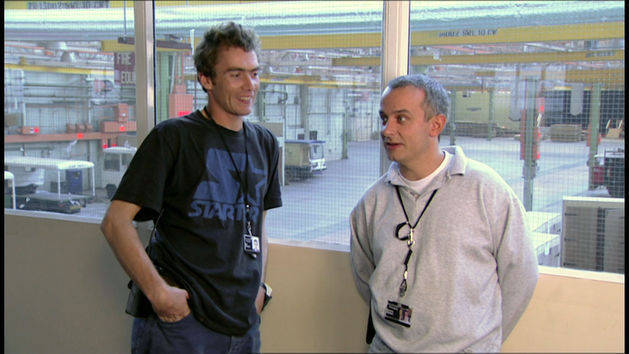
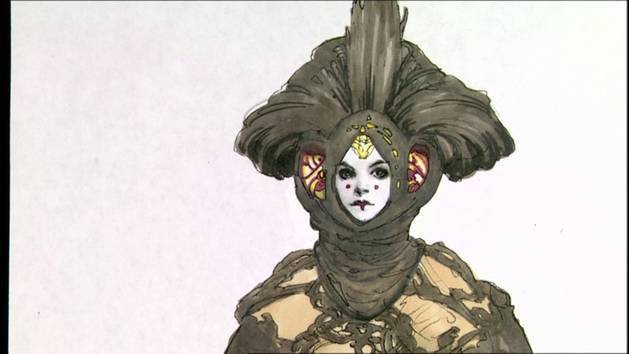
"We had to assemble a crew, start new art directors, new concept work, new designers, and new supervisors that we hadn't worked with," McCallum described. He and Lucas sought ILM's Pablo Helman -- who had worked on the theatrical release of Episode I -- to take on the task of Visual Effects Supervisor for the new scenes. After some time of preparation work, Helman was left with a team of nearly 100 people as the crew left for Australia to shoot Episode II.
"We handed the rein to Pablo Helman," recalls McCallum. "Then Jim Ward [Lucasfilm's Vice-President of Marketing] took the rein after Pablo finished his work, and for me it was really a great experience because I actually got to watch Jim and everybody else actually put all of this stuff together. Occasionally they'd send us stuff and we'd just look at it in total amazement. We were able to use the time zones very effectively while we were in Sydney, using our nights and weekends to review the material. It made our stay in Australia different because there was virtually no free time whatsoever. We were either shooting or we were working on the DVD."
The end result is gratifying to Lucas. "I'm happy to have those missing scenes back and finished; it was fun to finish them. You do things that you never really get to complete, so you never really find out whether they're going to work or not." One such scene the air taxi sequence worked so well it was reincorporated into the movie itself. "I said, 'You know when you cut this in here it just works great so I'm just going to keep it there.' So there's also a little bit of adjusting in the film itself, which I was very pleased about."
"That's the one real advantage of DVDs, is that it makes cutting the film a little less painful," Lucas said. "For a filmmaker, it's always hard to cut material out that you want to have in there, but it just isn't appropriate for the running time of the film and everything else. So this gives you a chance to say, all that work and energy and everything that went into this scene is not going to be lost."
Star Wars trivia-buffs may wonder about the fate of other material cut from the film, like a short exchange between Qui-Gon and Obi-Wan about his damaged lightsaber shortly after landing on Naboo. Lucas explained, "We tried to choose things that actually developed into a real scene that went on for at least a minute or so. In the end, you cut out an enormous amount on a movie. There's another half hour of bits and pieces and things that are kind of not really relevant to anything. And they're not relevant to an entity that was taken out, it's just trims and cuts and lines that are lost and that sort of thing."
Of the Naboo landing change in particular, Lucas said, "It's four lines. The scene is there, it just would be longer. And it's the kind of thing that, in looking at the movie, I felt that discussion didn't really fit." But he hinted that the trimmed material would have worked well with Episode II. "It's relevant in a more grand scheme of things. It's a kind of minor version of what Jabba the Hutt was in A New Hope. It's not really relevant to A New Hope, but it is relevant to Return of the Jedi. This is just a couple of lines that sort of resonated against similar kinds of lines that are going on in Episode II."
Another area of personal involvement for the two men was their first-ever audio commentary track included on the DVD. "The commentaries were relatively painless for those of us that did them," Lucas recalled. "Obviously, that's a feature of DVDs that everybody seems to like, so we'll continue it."
For McCallum, the timing of the commentary recording fell while he was in London preparing for additional shooting for Episode II. Linked to Skywalker Sound in California with a high-speed connection, McCallum found the distance from his colleagues to be just one of the challenges in recording his thoughts on the previous film. "You know it was just hard to get my head back into it because we were in the middle of shooting for Episode II. For me, I just remembered the painful moments. But there's some wonderful stuff from Ben Burtt and Dennis Muren that I thought was really, really interesting. It allows you to do two things. It helps you, if you're honest with it, to remember the pain of actually doing it. And then also what it meant in context and how you got through it."
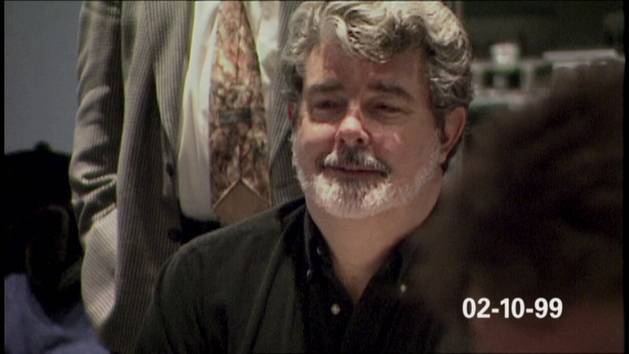
One highlight of the new two-disc set is an hour-long documentary about the making of Episode I titled "The Beginning". When asked what elements of the documentary intrigued him the most, McCallum smiled, "It was very interesting to see how much weight I've gained and lost throughout the whole process."
Lucas hopes that this kind of honest exposé will help the next generation of filmmakers to see what the movie-making process is really like. "I think especially for young people it's important to let them know how all these things go together because I'm hoping a lot of them will get into it and do it themselves. So it becomes a kind of educational process. It's not something that was available when I grew up."
McCallum feels that such educational potential is among the most exciting possibilities for the DVD format. "It's one of my worst nightmares that I'm going to get the call from George saying, 'You know, I've got a really good idea - let's put out a 250-hour DVD'," the producer said. "We shot close to 600 hours worth of stuff, and the ultimate dream for me personally is if there was a medium out there that could actually handle that. It would be very interesting to spend two or three hours in each department."
Despite the obvious pride in the new materials, McCallum is most excited about the quality of the presentation of the movie that the DVD format brings. "What I love about it more than anything is just the sheer quality for the average person."
"I am a firm believer that the films should be shown in the way that they were intended," said Lucas. "The design of the film and the framing and everything is very important, and I look at the DVD as the highest quality version of the film that's going to be continuously in the marketplace so I want it to be the best possible way to see the film."
"I think the biggest difference between a theatrical experience and a home experience is that a theatrical experience is a group experience," Lucas continued. "It's a social experience and that's why people go. That's why people still go to the ballet, the opera, the symphony. They go to a lot of things that, in theory, should have died out years ago, but don't because people want to have a group experience. That is what the cinema brings you. The home experience gives you a chance to review things, to stop things, to study things."
"I think of them as helping each other to form a complete experience. One is a social experience, like music. You can listen to La Boheme in the opera house, enjoy it and then you can go listen to at home while you're listening to something else. I think that's what these home formats do for you. It gives you a chance to go through it and enjoy the bits and pieces that you like without having to mess with all the other stuff. It gives you a chance to look through and think about it in a quieter situation and try to figure out what is being said in the movie, and you have a richer experience that way."
Stay tuned to starwars.com for more with the personalities behind The Phantom Menace on DVD.