All Films
- Star Wars: The Mandalorian and Grogu
- Star Wars: The Rise of Skywalker (Episode IX)
- Solo: A Star Wars Story
- Star Wars: The Last Jedi (Episode VIII)
- Rogue One: A Star Wars Story
- Star Wars: The Force Awakens (Episode VII)
- Star Wars: Return of the Jedi (Episode VI)
- Star Wars: The Empire Strikes Back (Episode V)
- Star Wars: A New Hope (Episode IV)
- Star Wars: Revenge of the Sith (Episode III)
- Star Wars: Attack of the Clones (Episode II)
- Star Wars: The Phantom Menace (Episode I)
Star Wars: The Phantom Menace (Episode I)
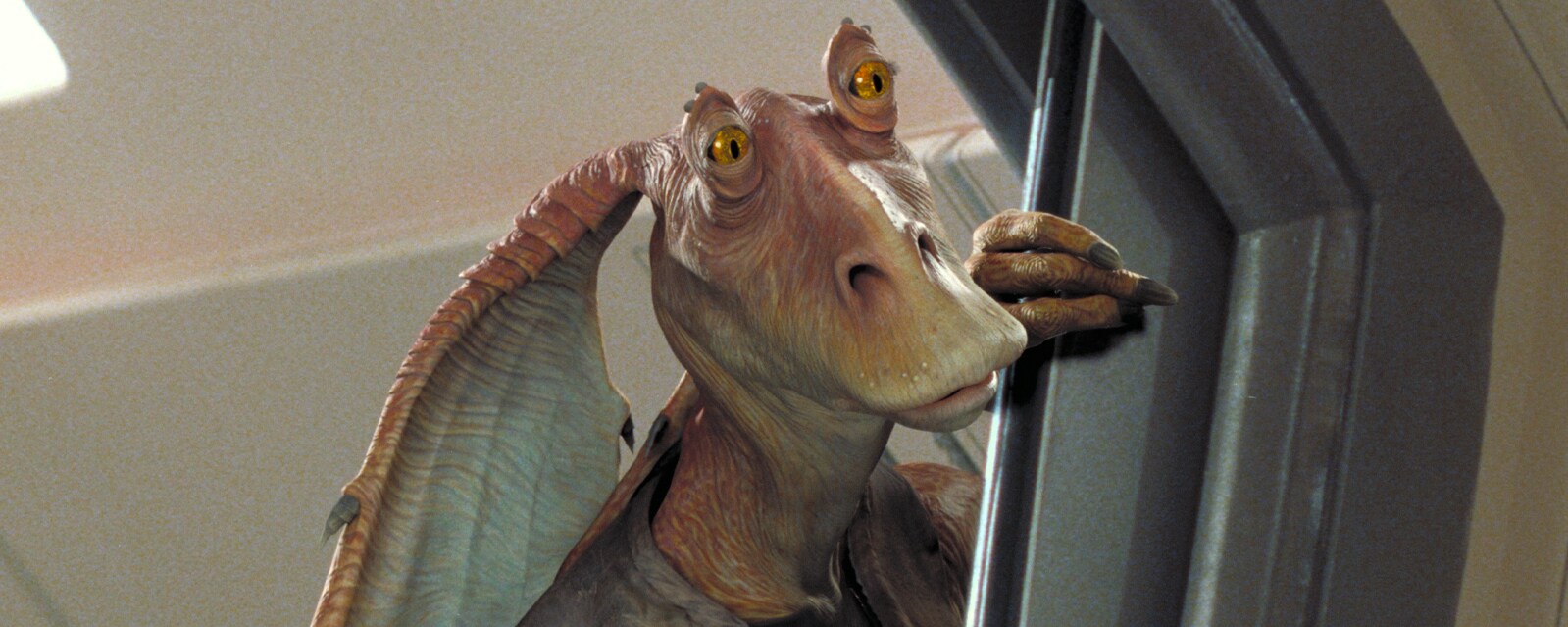
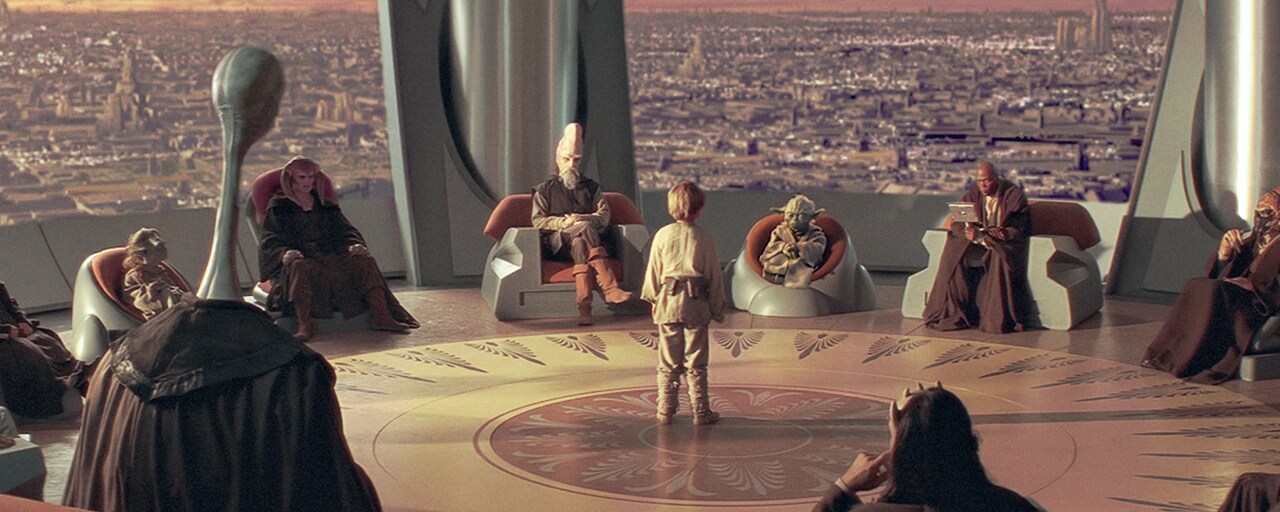
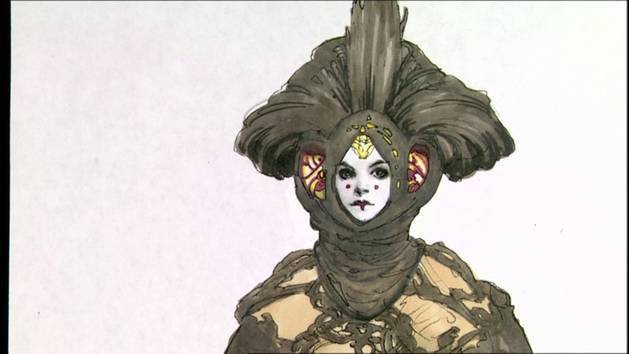
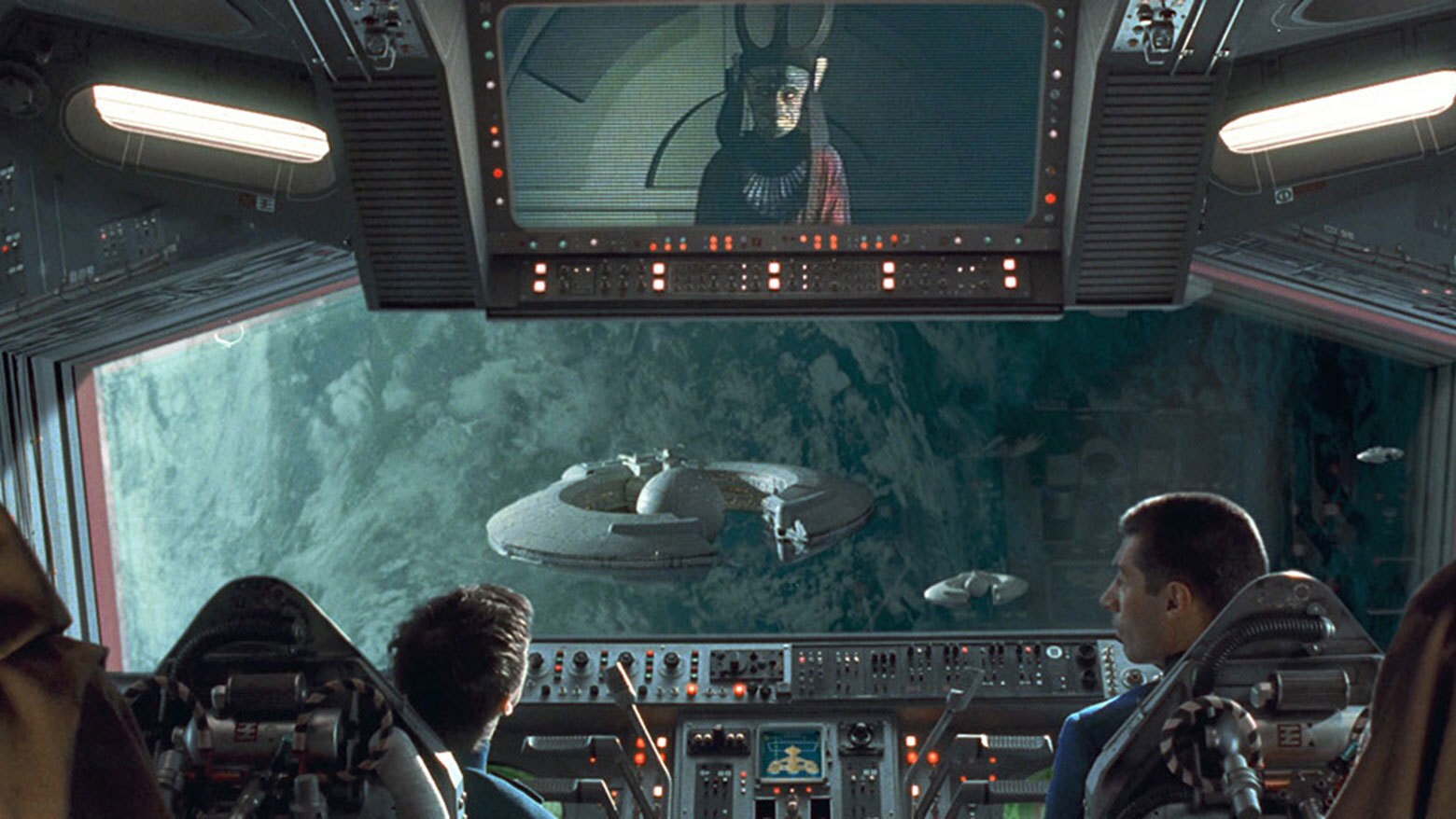
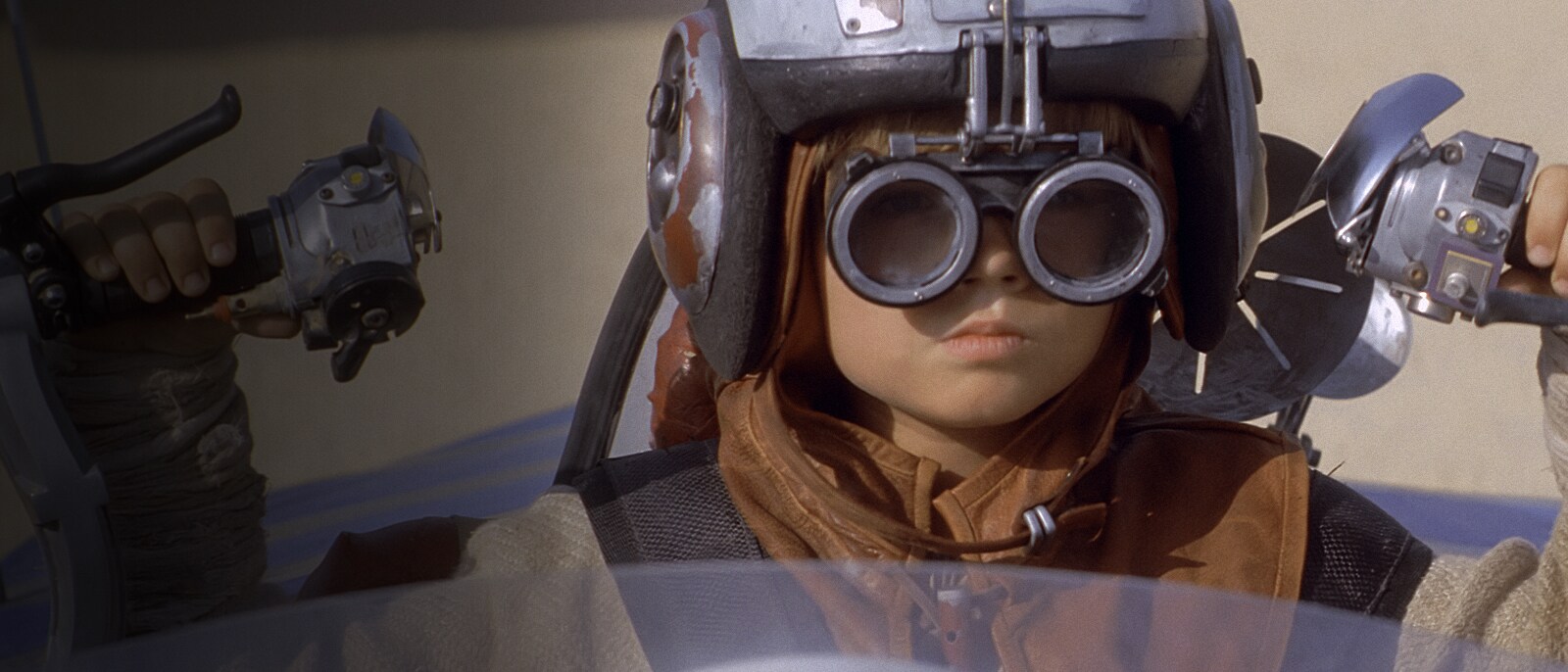
Experience the heroic action and unforgettable adventures of Star Wars: Episode I - The Phantom Menace. See the first fateful steps in the journey of Anakin Skywalker. Stranded on the desert planet Tatooine after rescuing young Queen Amidala from the impending invasion of Naboo, Jedi apprentice Obi-Wan Kenobi and his Jedi Master Qui-Gon Jinn discover nine-year-old Anakin, who is unusually strong in the Force. Anakin wins a thrilling Podrace and with it his freedom as he leaves his home to be trained as a Jedi. The heroes return to Naboo where Anakin and the Queen face massive invasion forces while the two Jedi contend with a deadly foe named Darth Maul. Only then do they realize the invasion is merely the first step in a sinister scheme by the re-emergent forces of darkness known as the Sith.