[ Welcome ] [ What's New ] [ The Movies ] [ Beyond the Movies ] [ Gaming ] [ Community ] [ Kids ] [ Shop ] [ Hyperspace ] [ Starwars.com ]
[ Starwars.com ]

[ Tatooine ]
Tatooine
A planet in the distant Outer Rim, beyond the reaches of Republic and Imperial law...
[ Read More ]
Feature: Star Wars Episode I: Production Notes
Feature: The New Star Wars Episode I
Video: Part 11: Bad Droid Karma
News: Star Wars: Connections -- Anakin Skywalker
 
[ Episode I ]


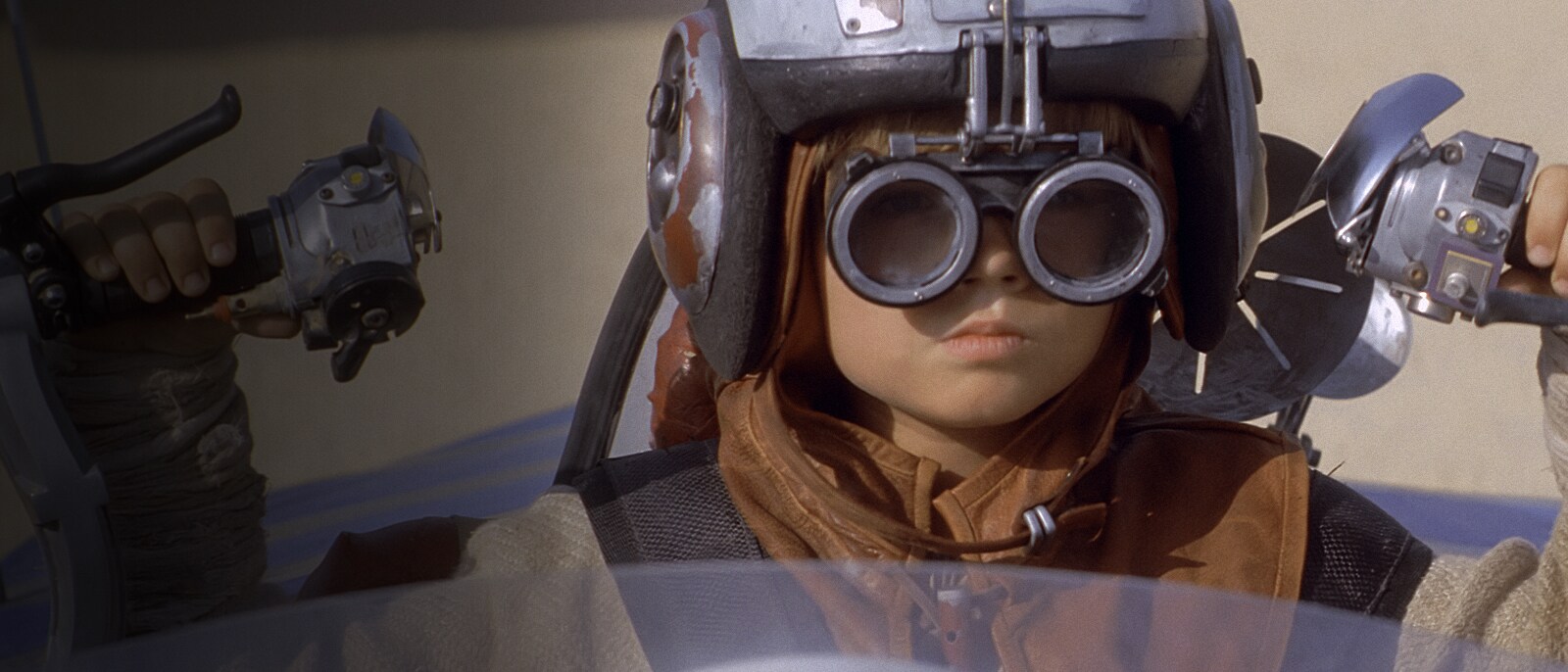
Anakin's hovel was the first set completed at Leavesden Studios in England, where most of the shooting for Star Wars: Episode I took place. A total of 55 sets were built and decorated under the direction of Production Designer Gavin Bocquet and Set Decorator Peter Walpole. Gavin is an alumnus of the original Star Wars trilogy - he worked as an art department draftsman on Gavin and Peter worked with Doug Chiang and his team in the Art Department to develop hundreds of fanciful concept designs into structures that could actually be built. Gavin's working relationship with Doug is very free-flowing and there is a lot of give and take when it comes to actual set construction.

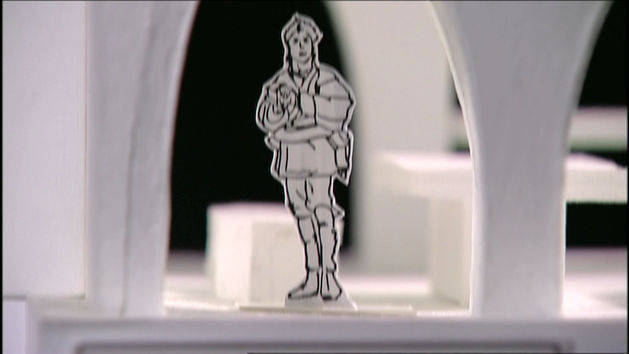
The first step in building a set is to create a small foam-core model. Most of the changes are made when the design takes this first leap into three dimensions. Once the model looks right, a draftsman draws a blueprint of the design and set construction begins.

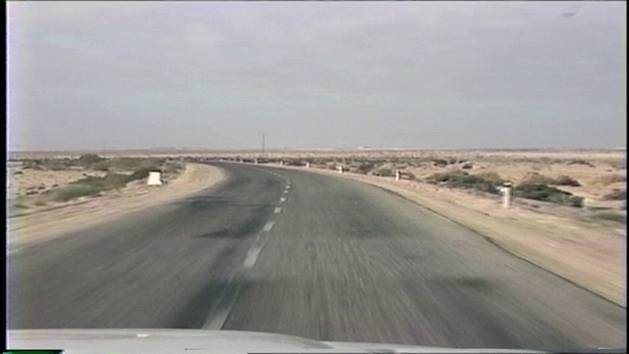
The exterior shots of Anakin's hovel were filmed in Tunisia, and the interior shots at the Leavesden set. As one might expect, there is generally more control when sets are built in the studio. We had so much space to work with at Leavesden that we could prefabricate the sets offstage and bring them on-stage when they were close to completion.

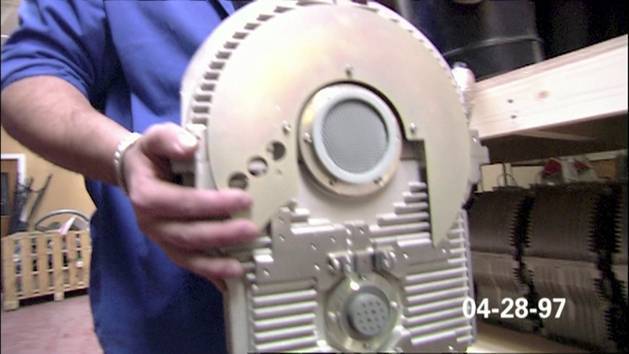
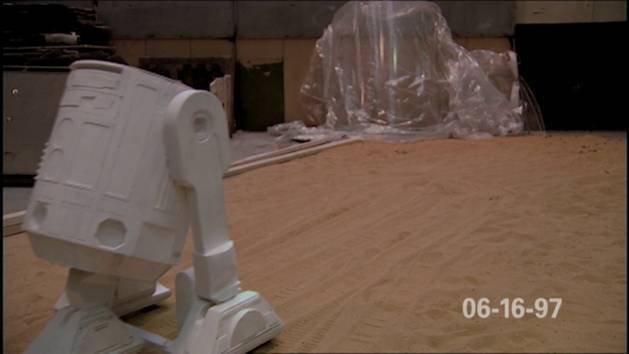
The secret to building sets for the Star Wars universe is to incorporate as many real elements as possible -- as we did for the original trilogy. For example, coin slots from vending machines were used to decorate R2-D2's outer shell. Real-world items often have a convincing sense of design that is hard to create with fantasy items. When mixed with fantasy, they make it all seem believable.

Peter Walpole took me on a tour of the Leavesden "scrap room" which contains spare parts collected from junk yards across the United States and England. We walked through rows of shelves stacked with old computers, stove fixtures, and spare aircraft parts. By just turning over a seed tray, or a stripping down an electric kettle, Peter turns everyday objects into Star Wars galaxy building materials.

Anakin's hovel has several real-world elements altered to look like they belong on Tatooine, such as mainframe computer parts used as wall panels and large plastic barrels turned into chairs.

This approach created a realistic "boy's clutter" for Anakin's bedroom, but when George first looked it over he found that the young Darth Vader's home contained a bit too much technology.

"There was too much hardware," Peter recalled. "George wanted it to look like a more homey place." So they took a step back and looked at Anakin's bedroom more in terms of a 9-year-old's room today. They then tried to take the piles of toys, books and games that the average boy has in his room, and duplicate them in their Star Wars equivalents.

The result is an exotic environment that nonetheless has a familiar feel, an approach we find throughout the Star Wars universe.

[ Lynne ]

Part 12: Movie Music
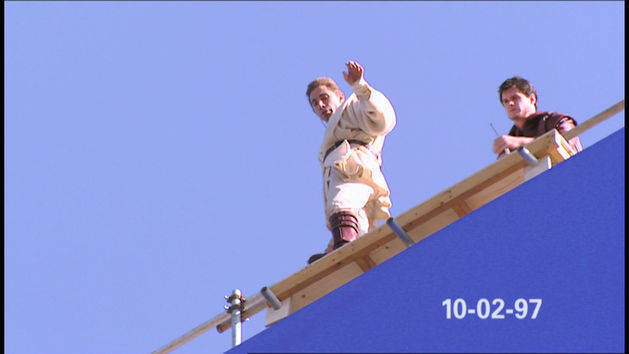
Part 11: Bad Droid Karma
Part 10a: Naboo Soldier
Part 10: Costume Drama
Part 9: It's Like War Now
Part 8a: Casting Director
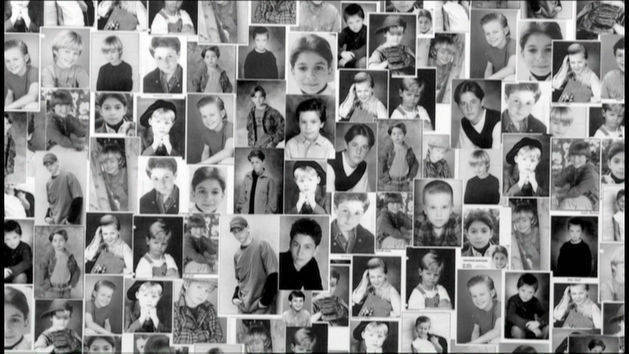
Part 8: Three Thousand Anakins
Part 7a: One Day to Go
Part 7: Assistant Directors
Part 6a: The Fall
Part 6: Prime of the Jedi
Part 5: This is a Creature Film
Part 4a: Something Out of Nothing
Part 4: Boys in Paradise
Part 3: Home Sweet Home
Part 2: Thousands of Things
Part 1a: Interview Outtakes
Part 1: All I Need is an Idea
Introduction

[ Archives ] [ Discuss This ] [ Email This ]

© Lucasfilm . All rights reserved. | Terms of Use | Privacy Policy | Business inquiries